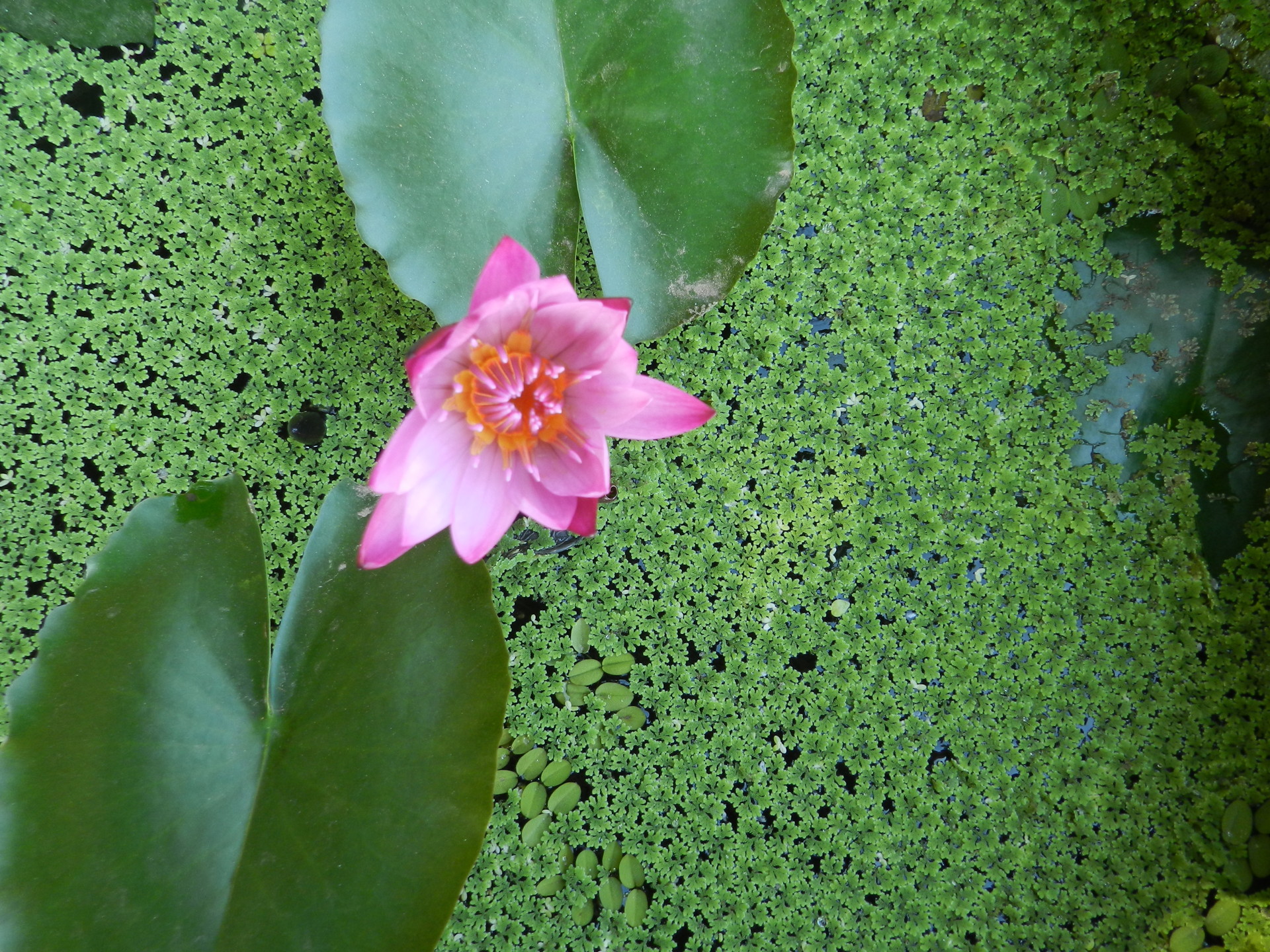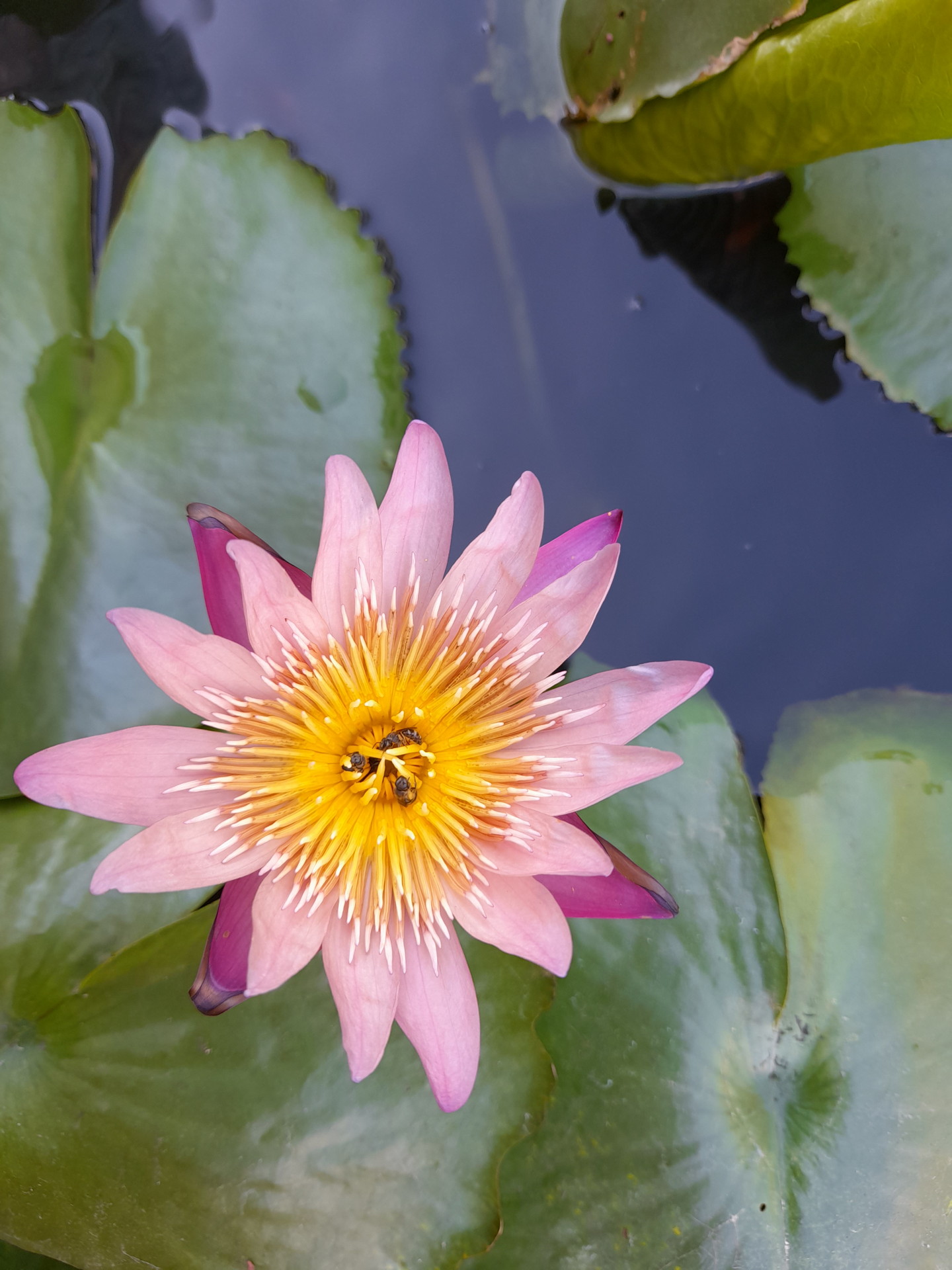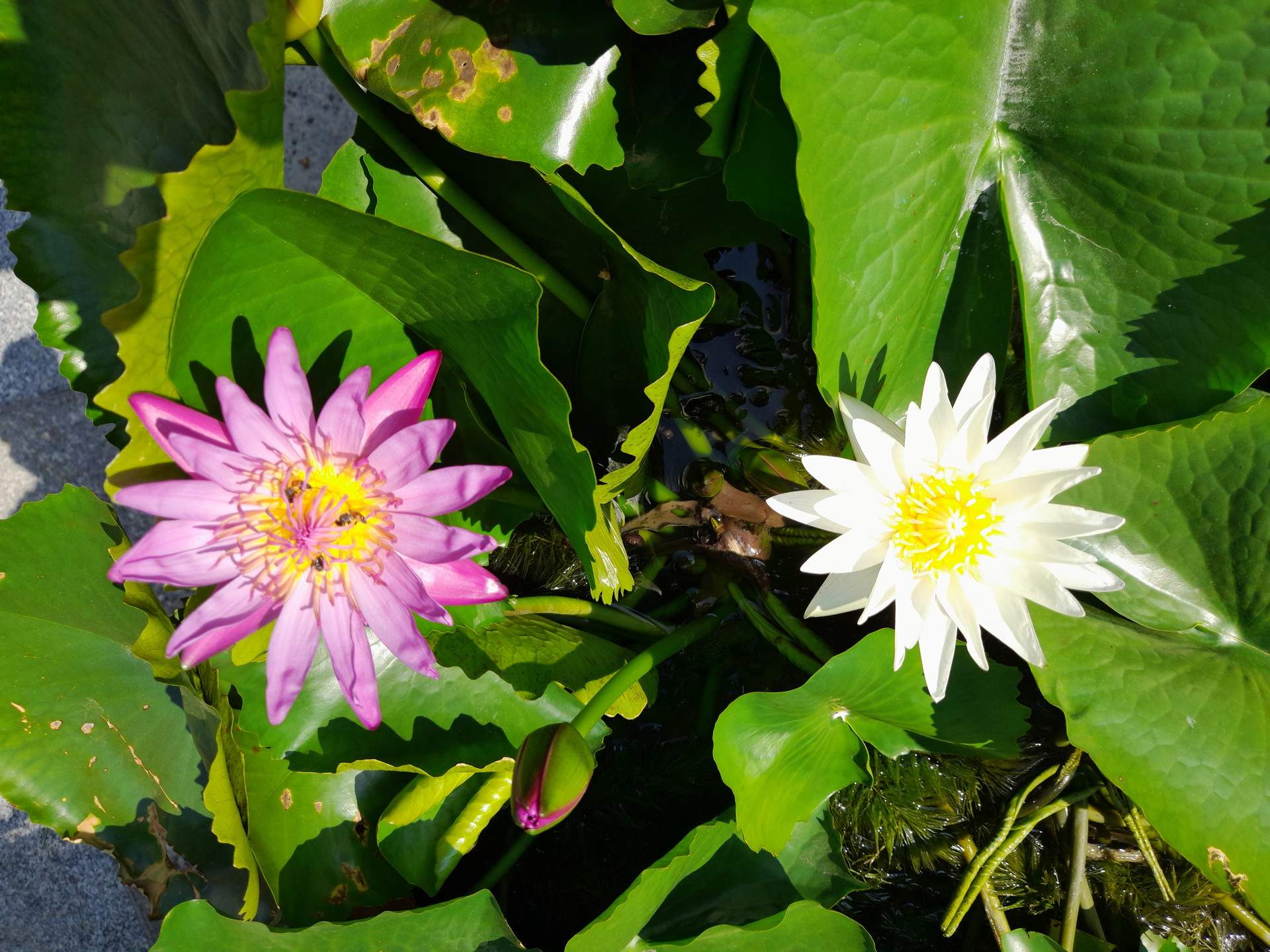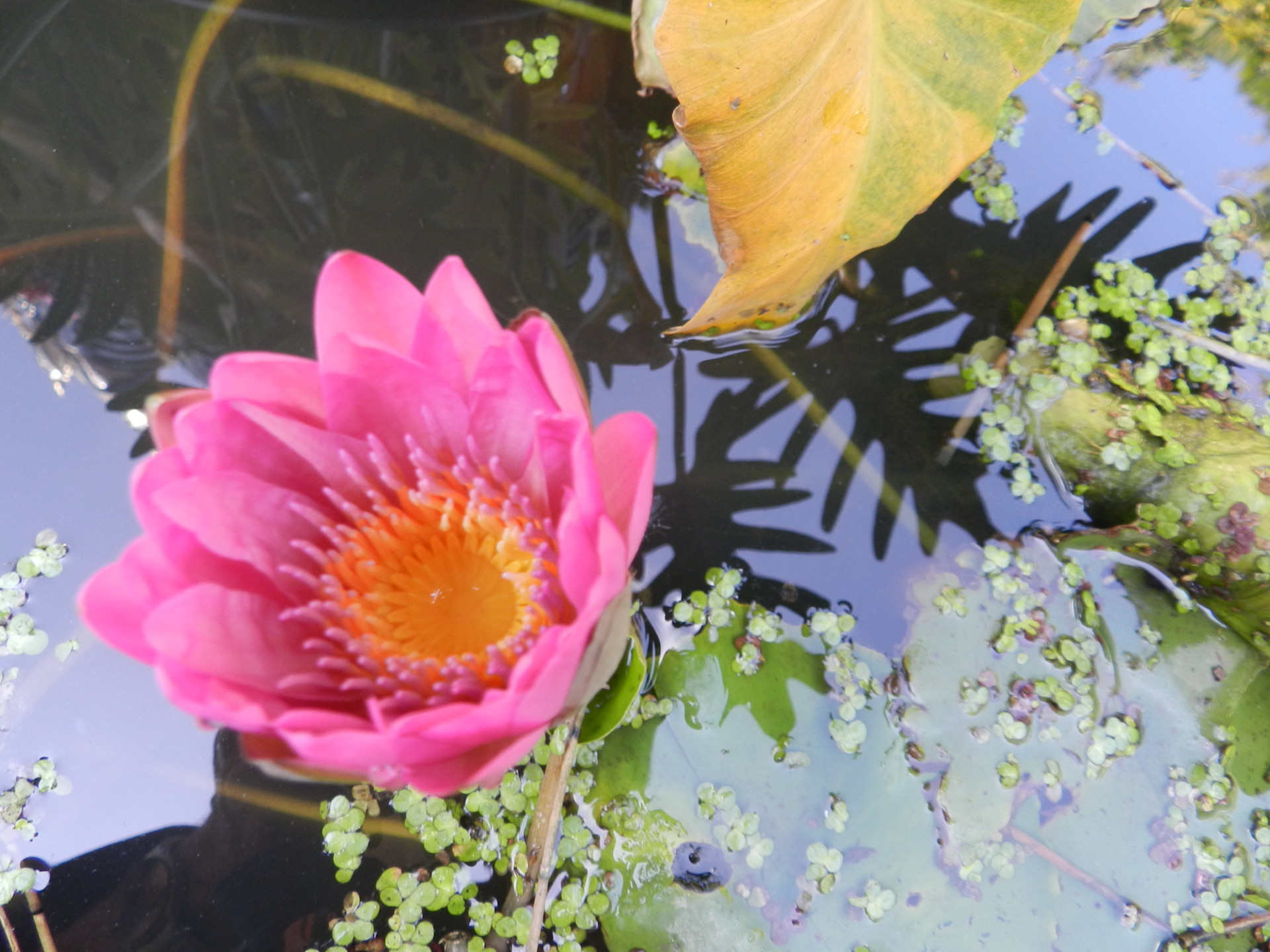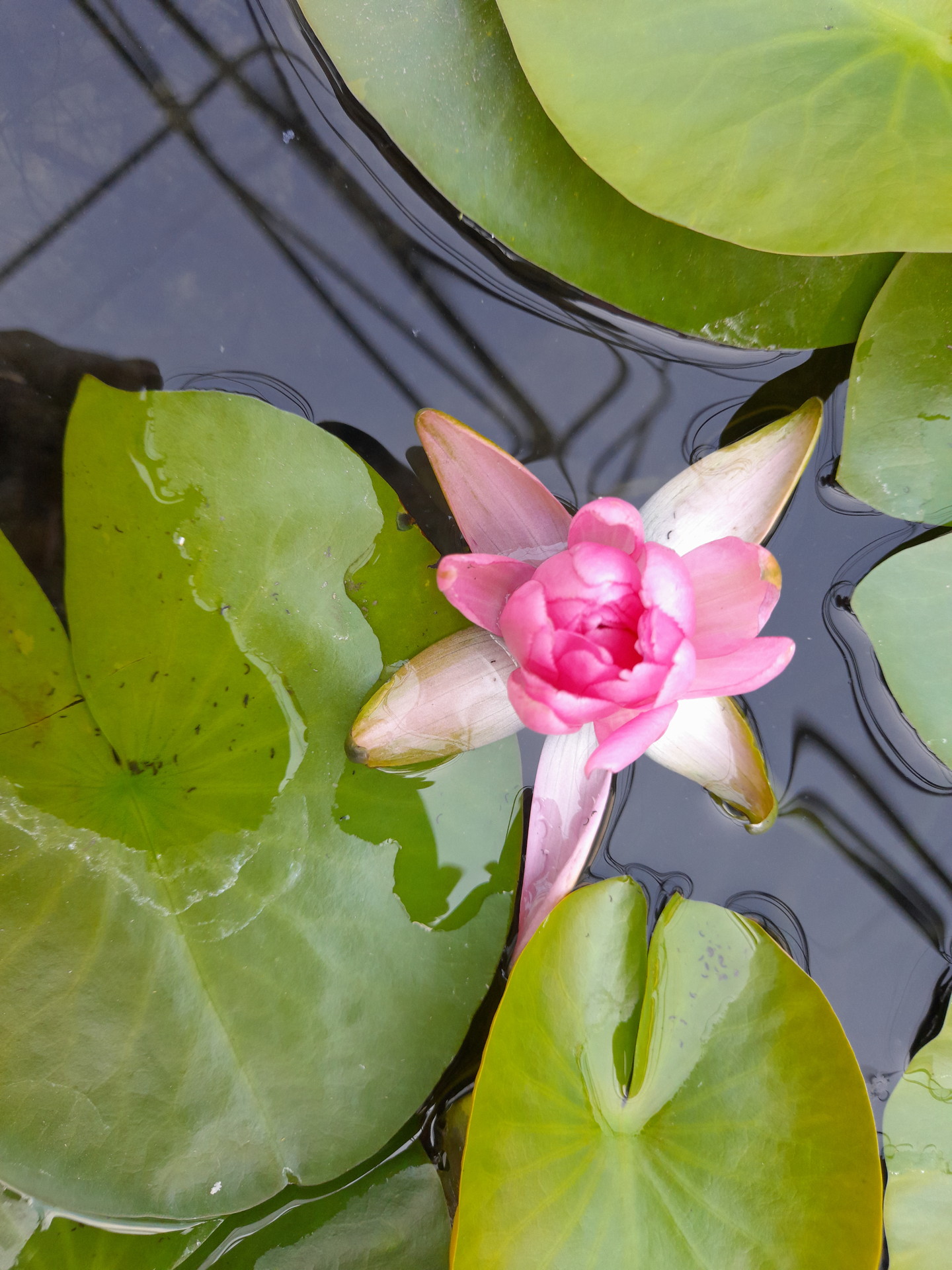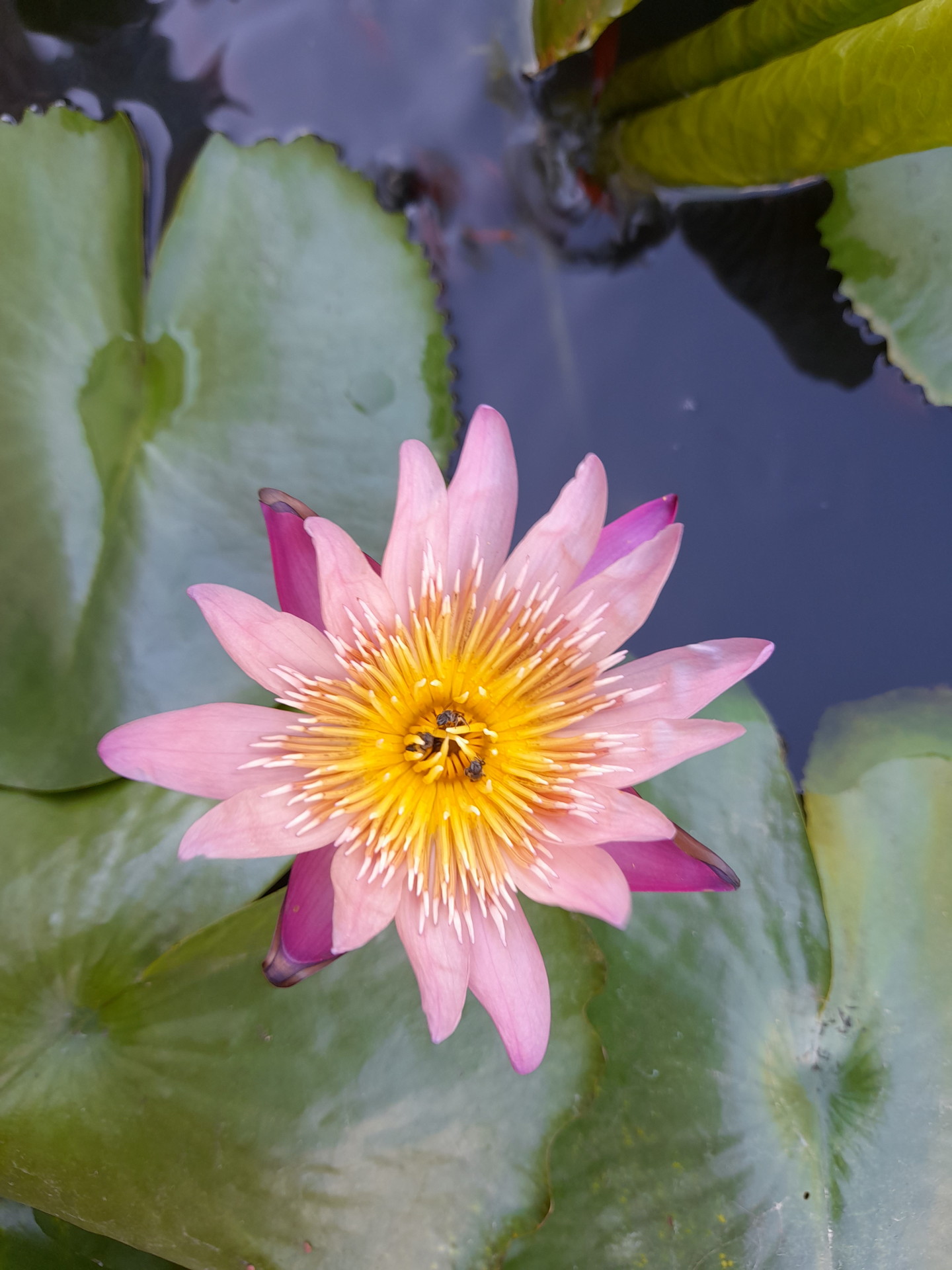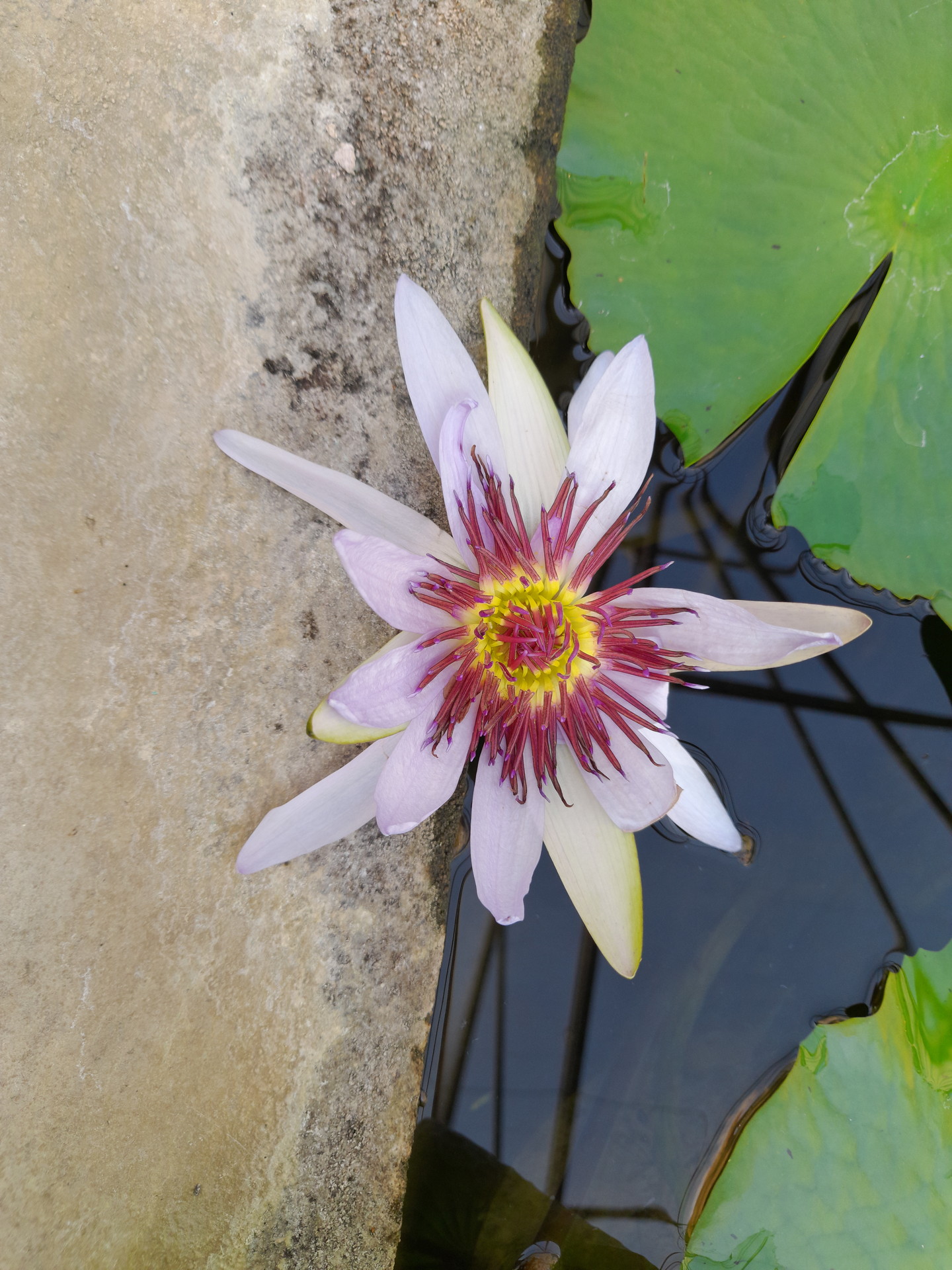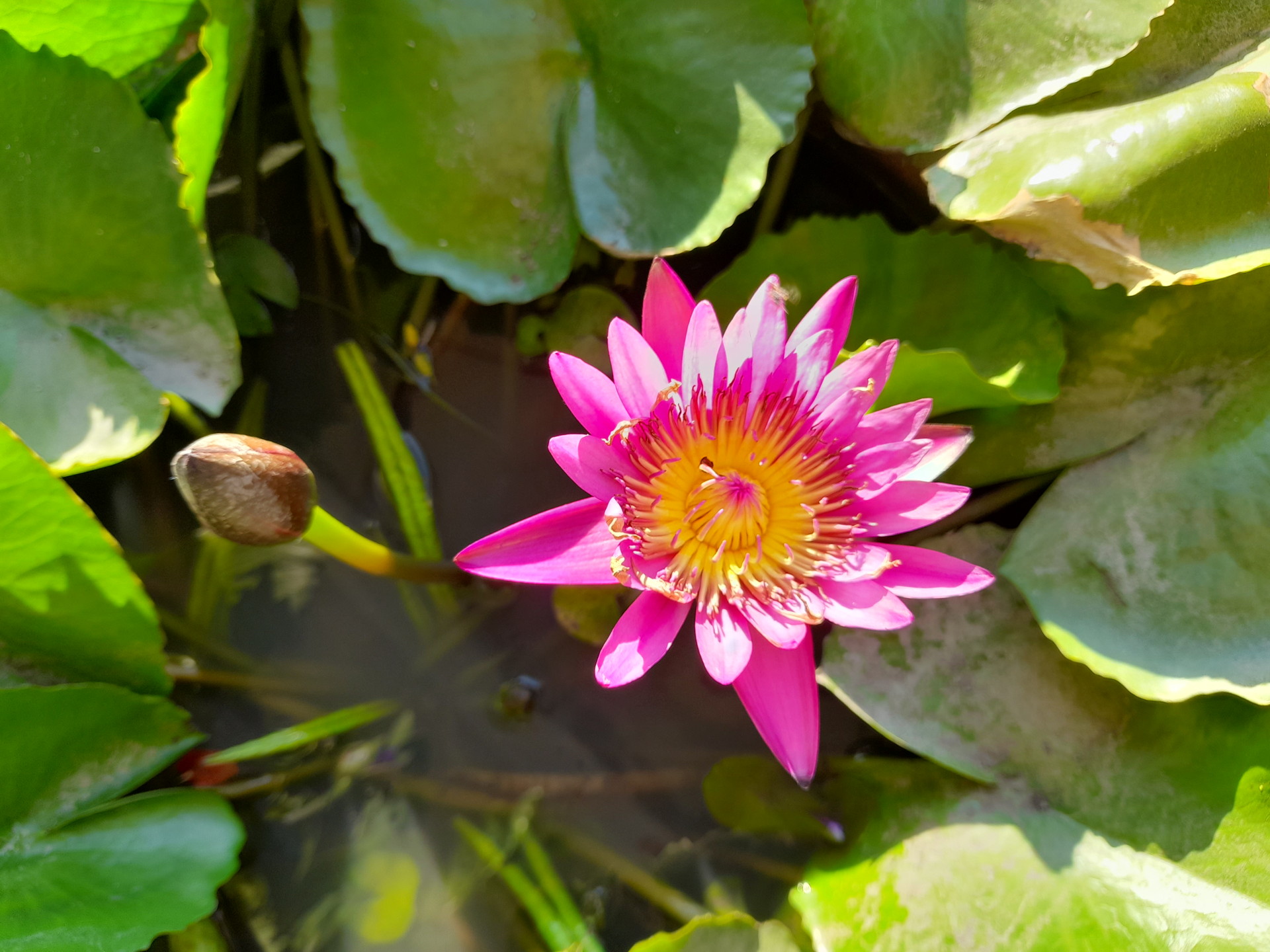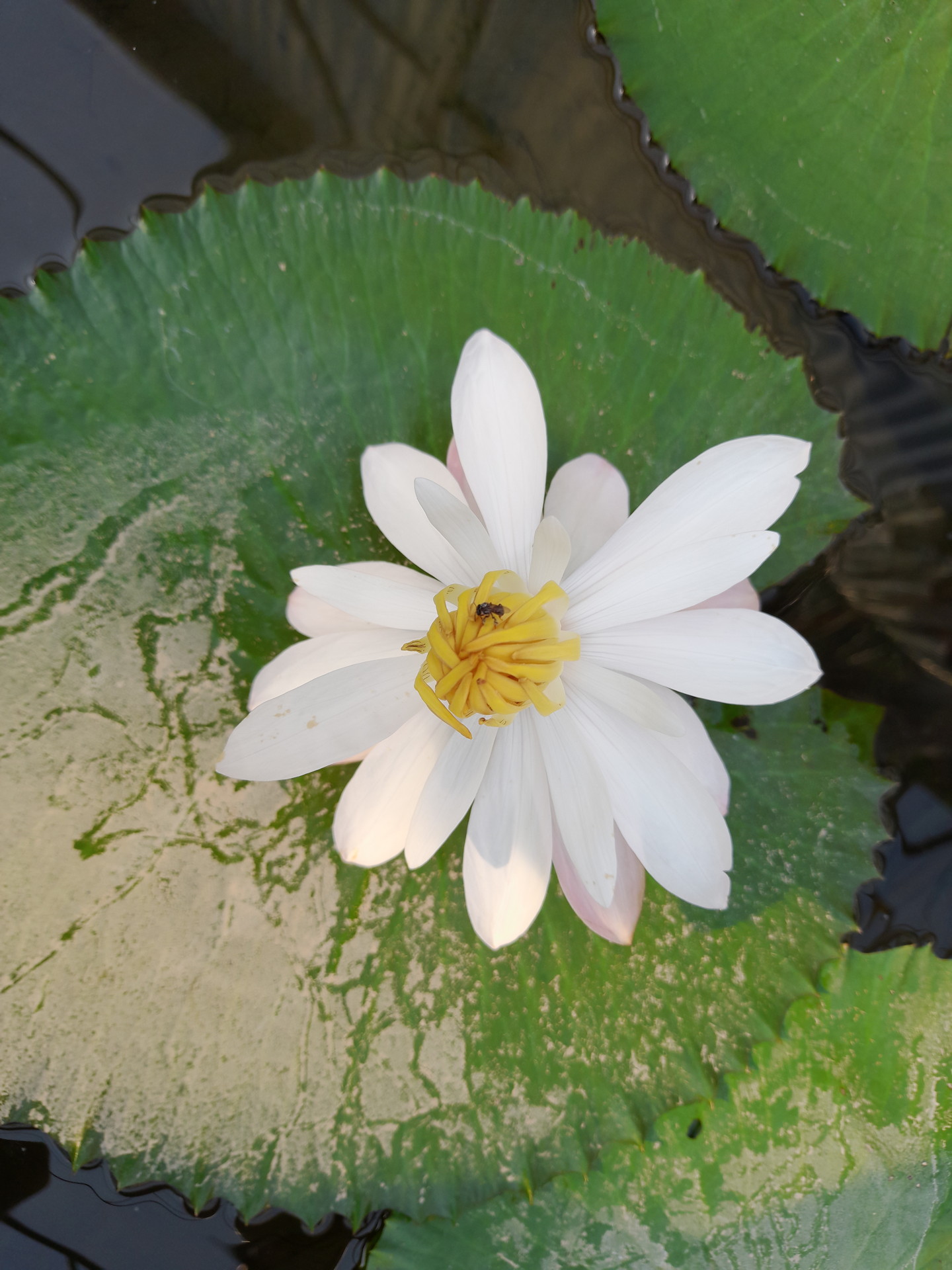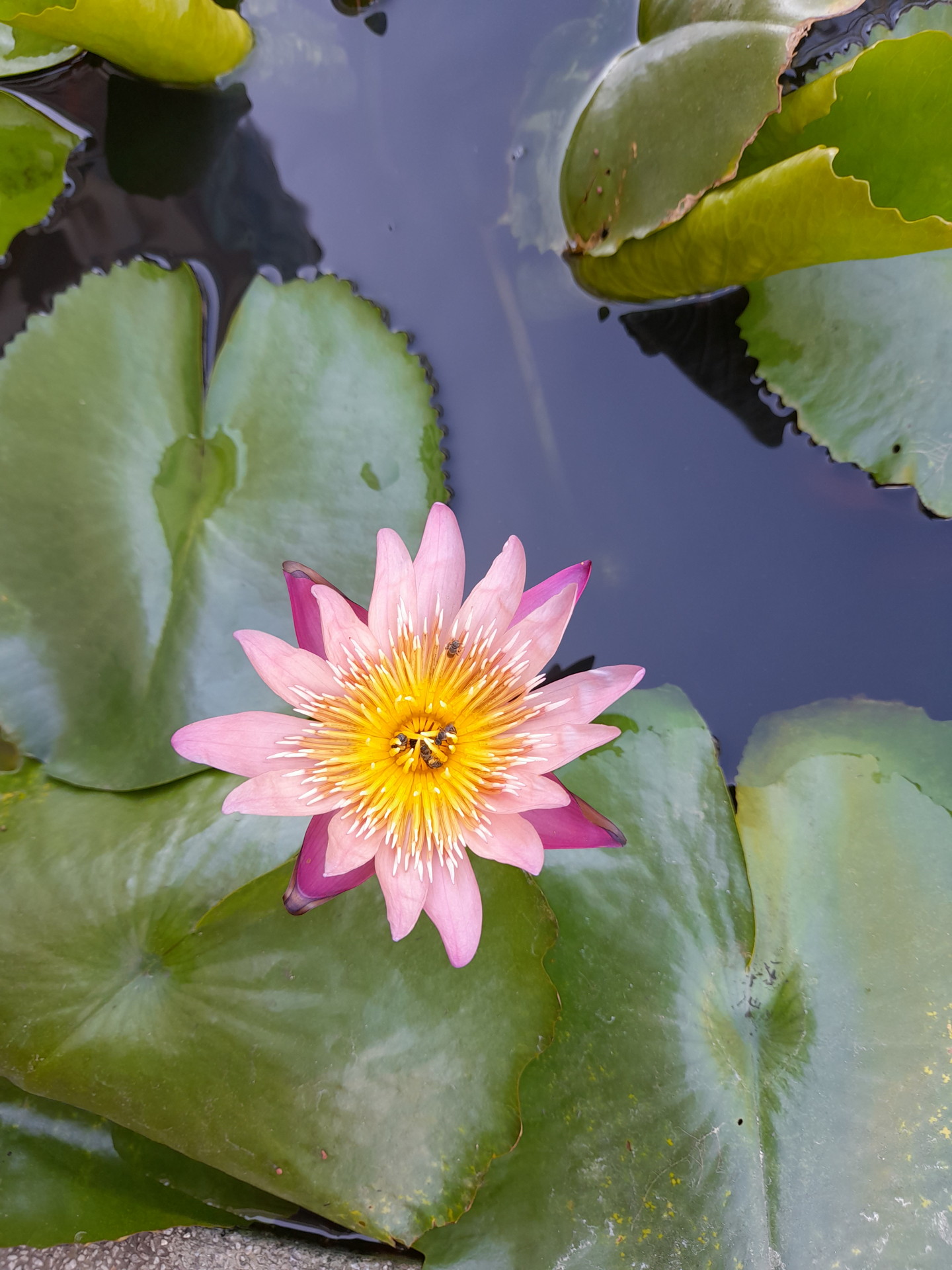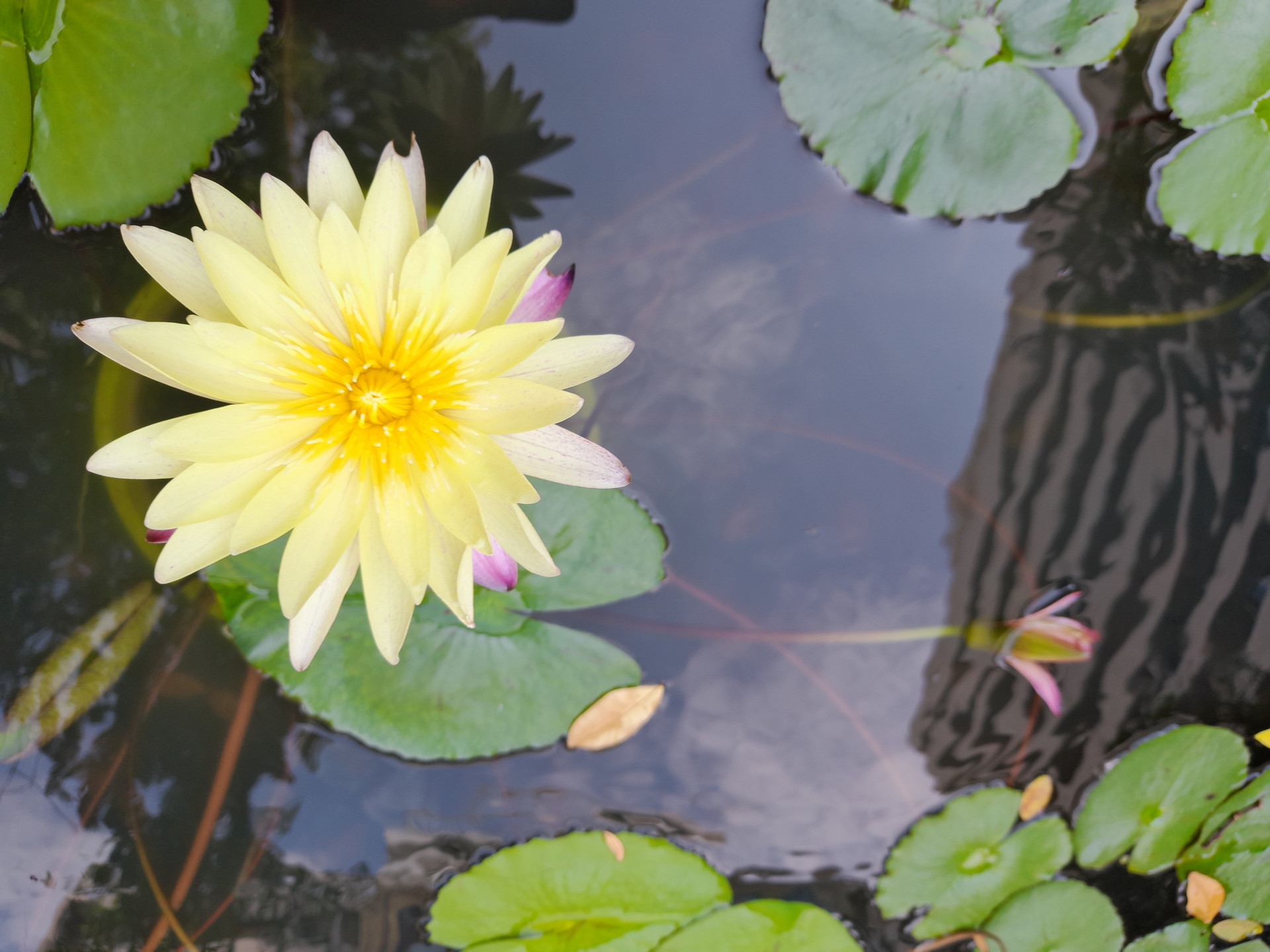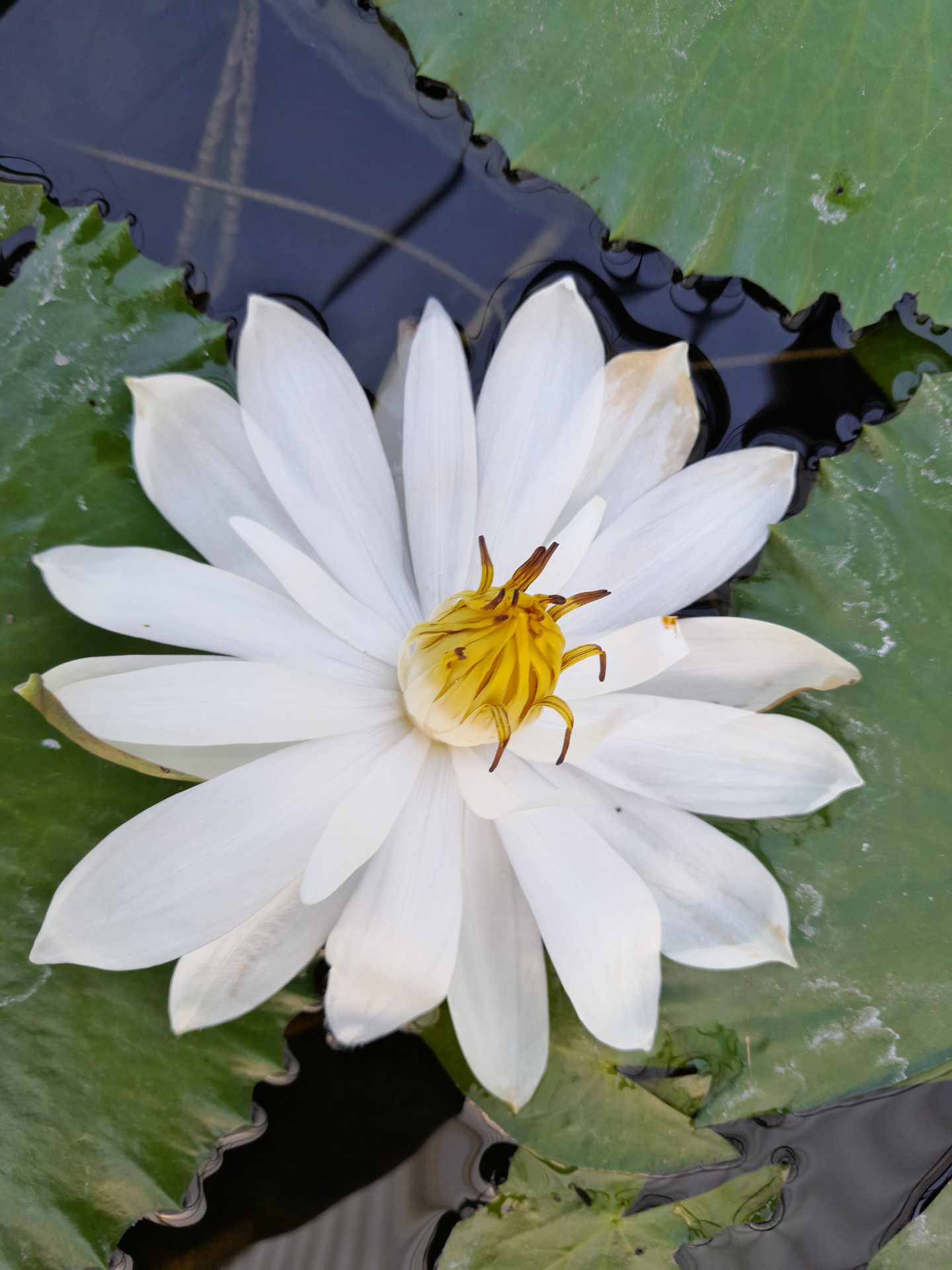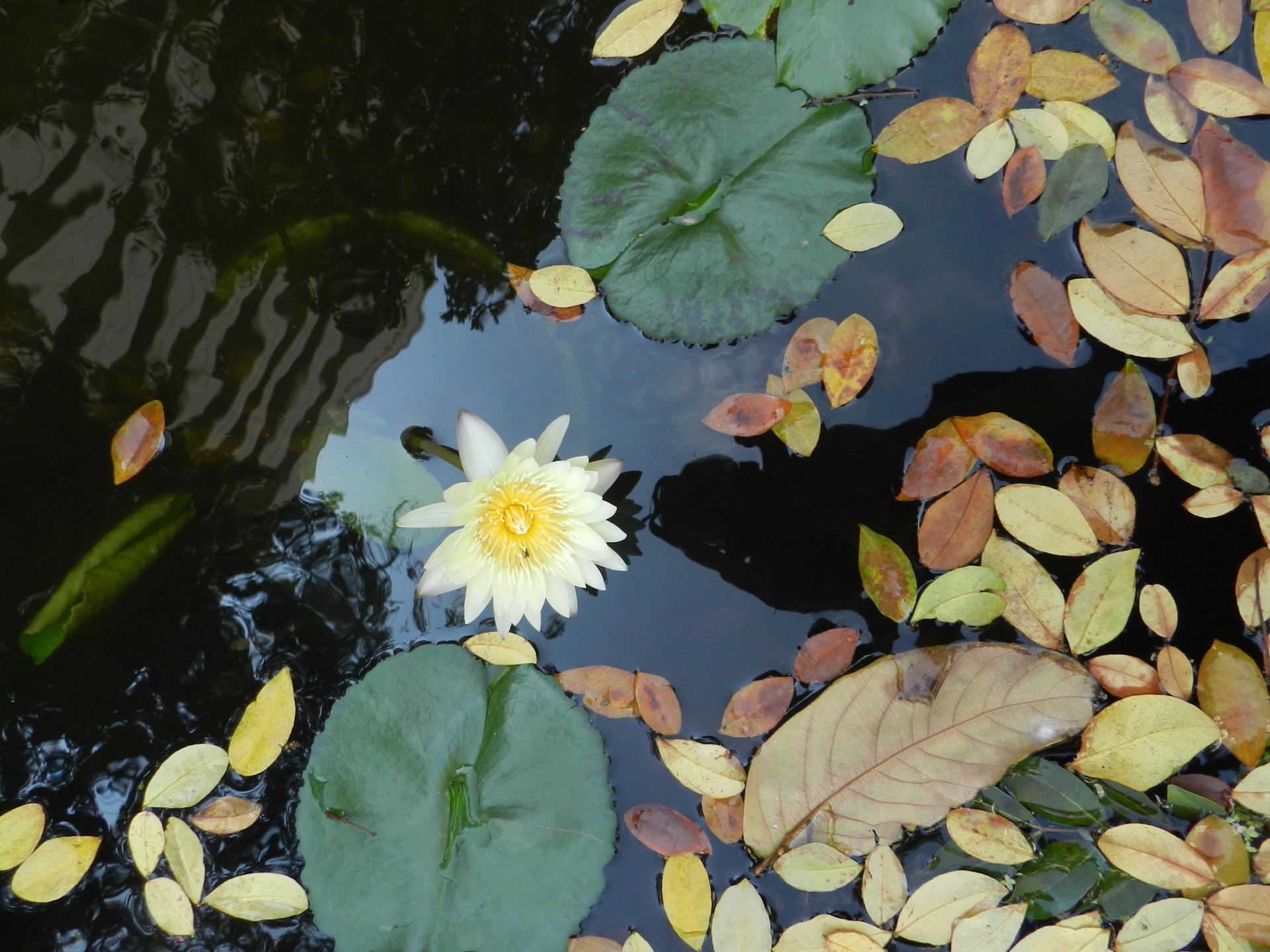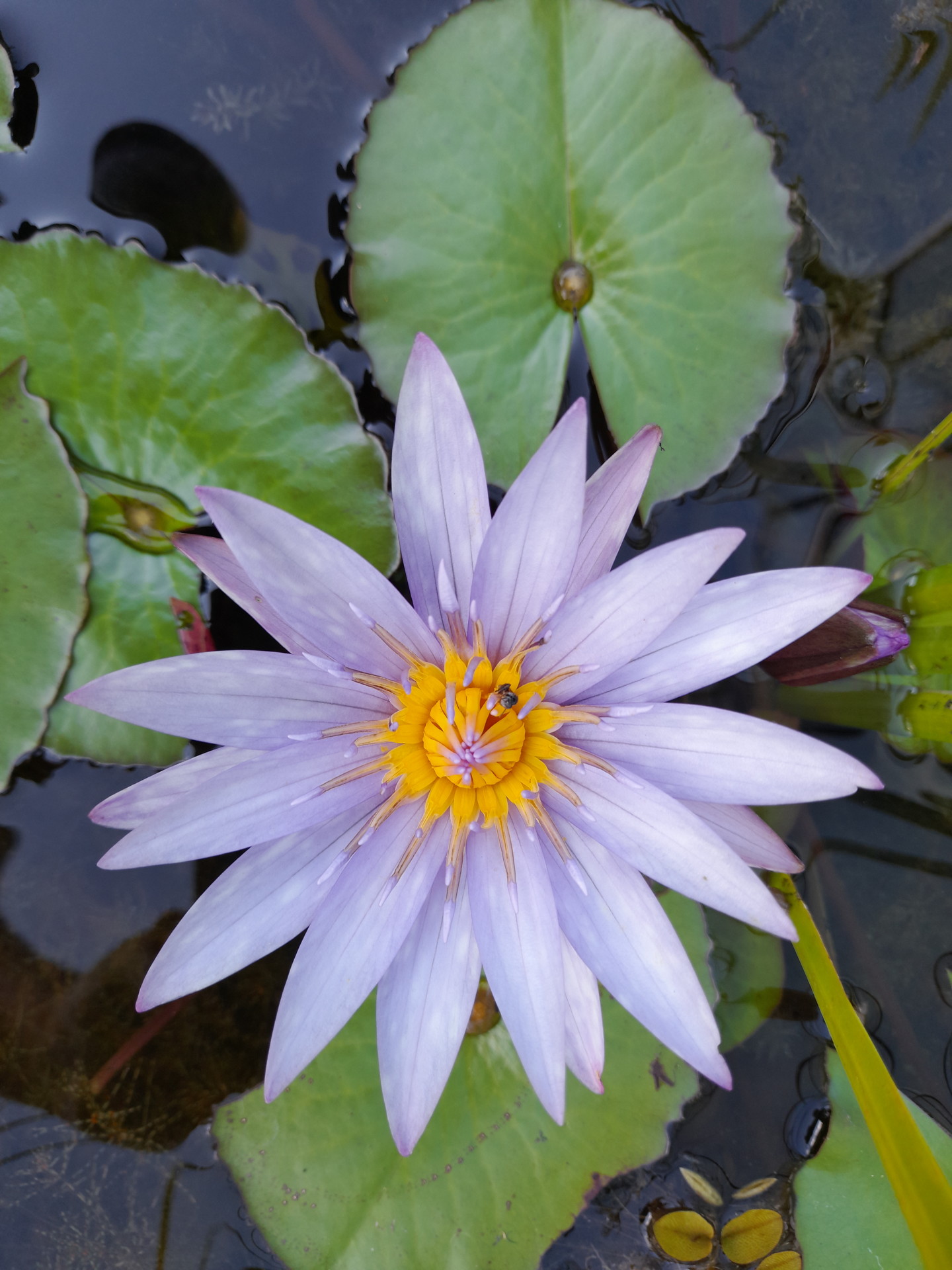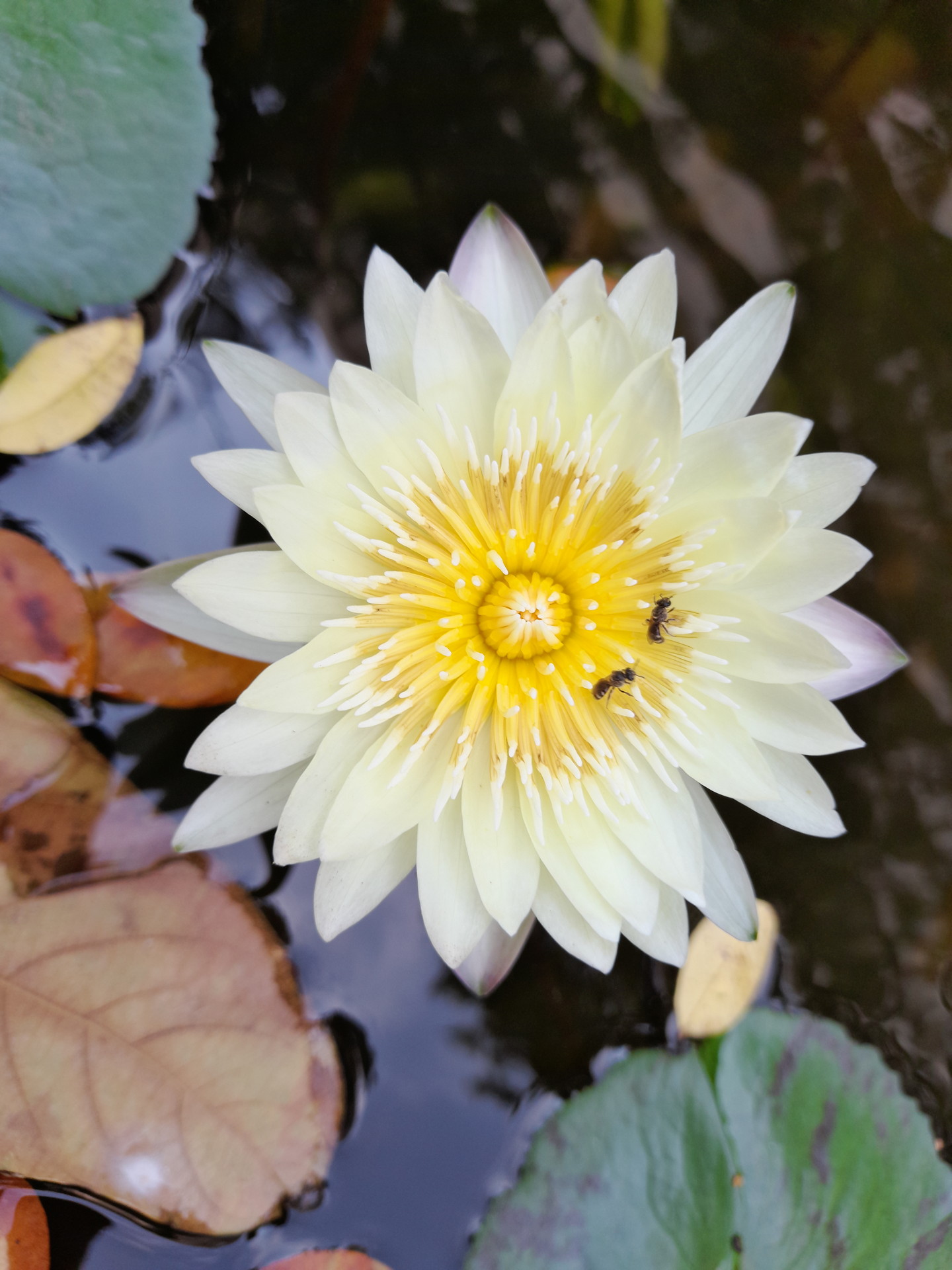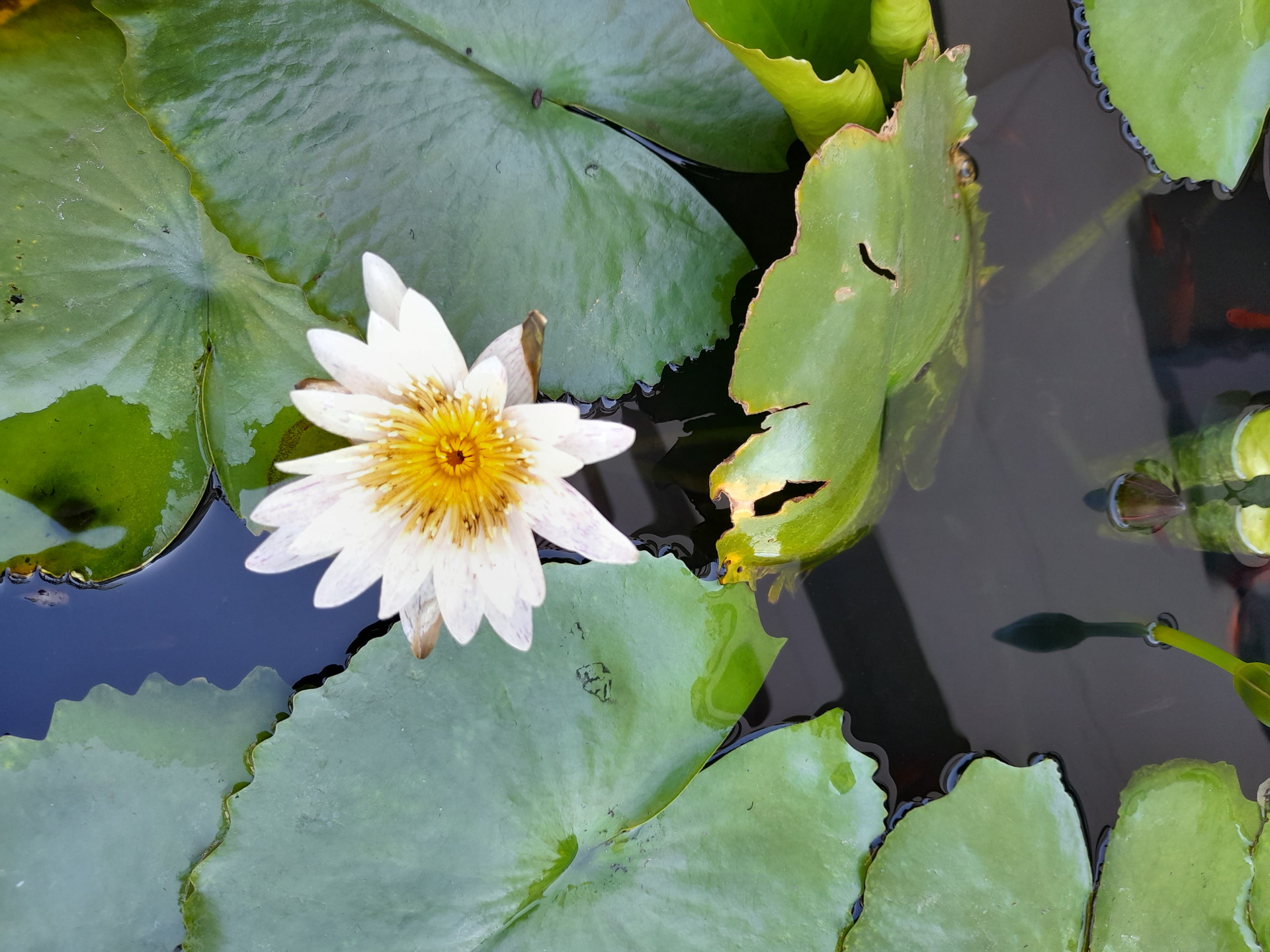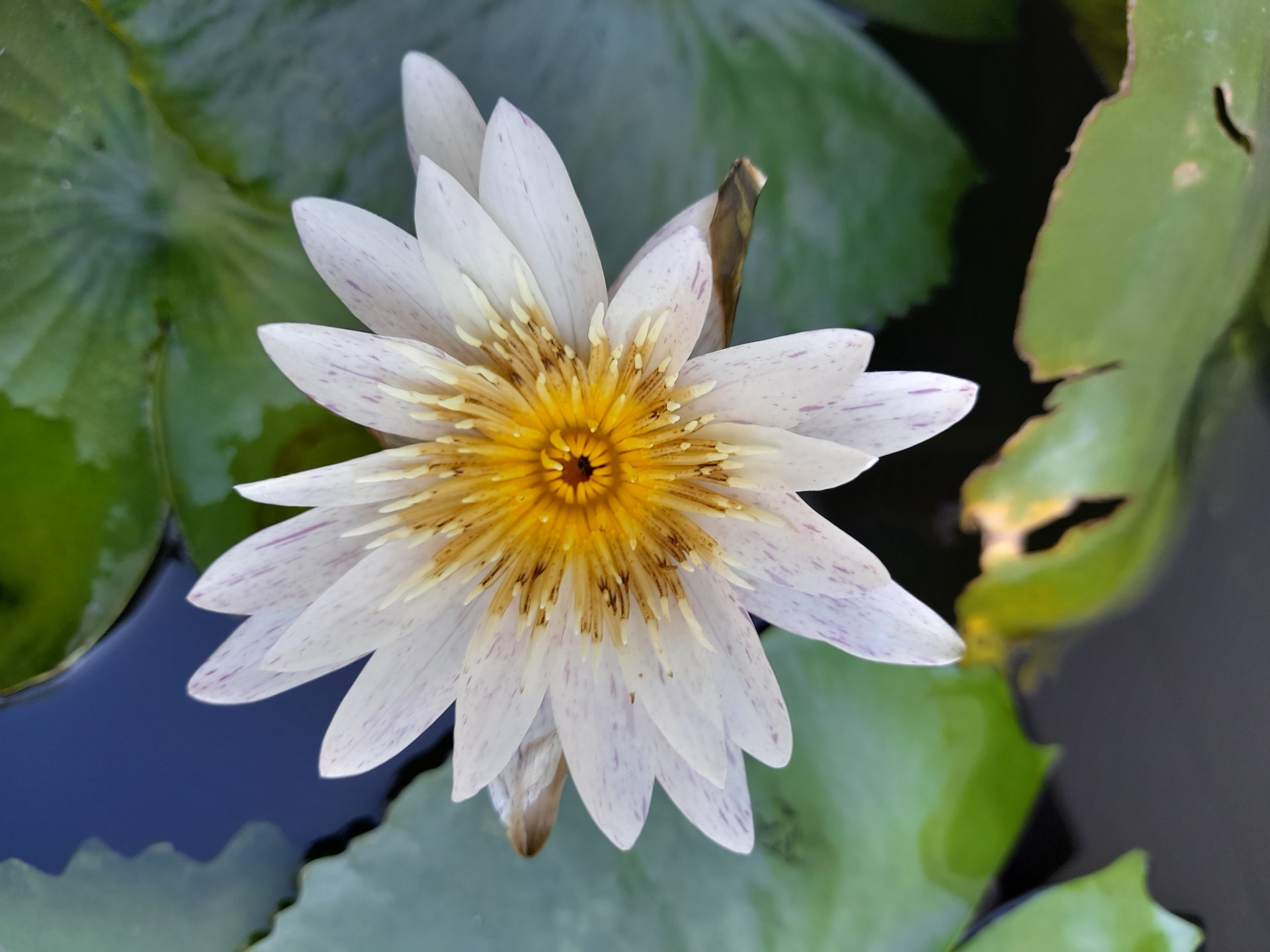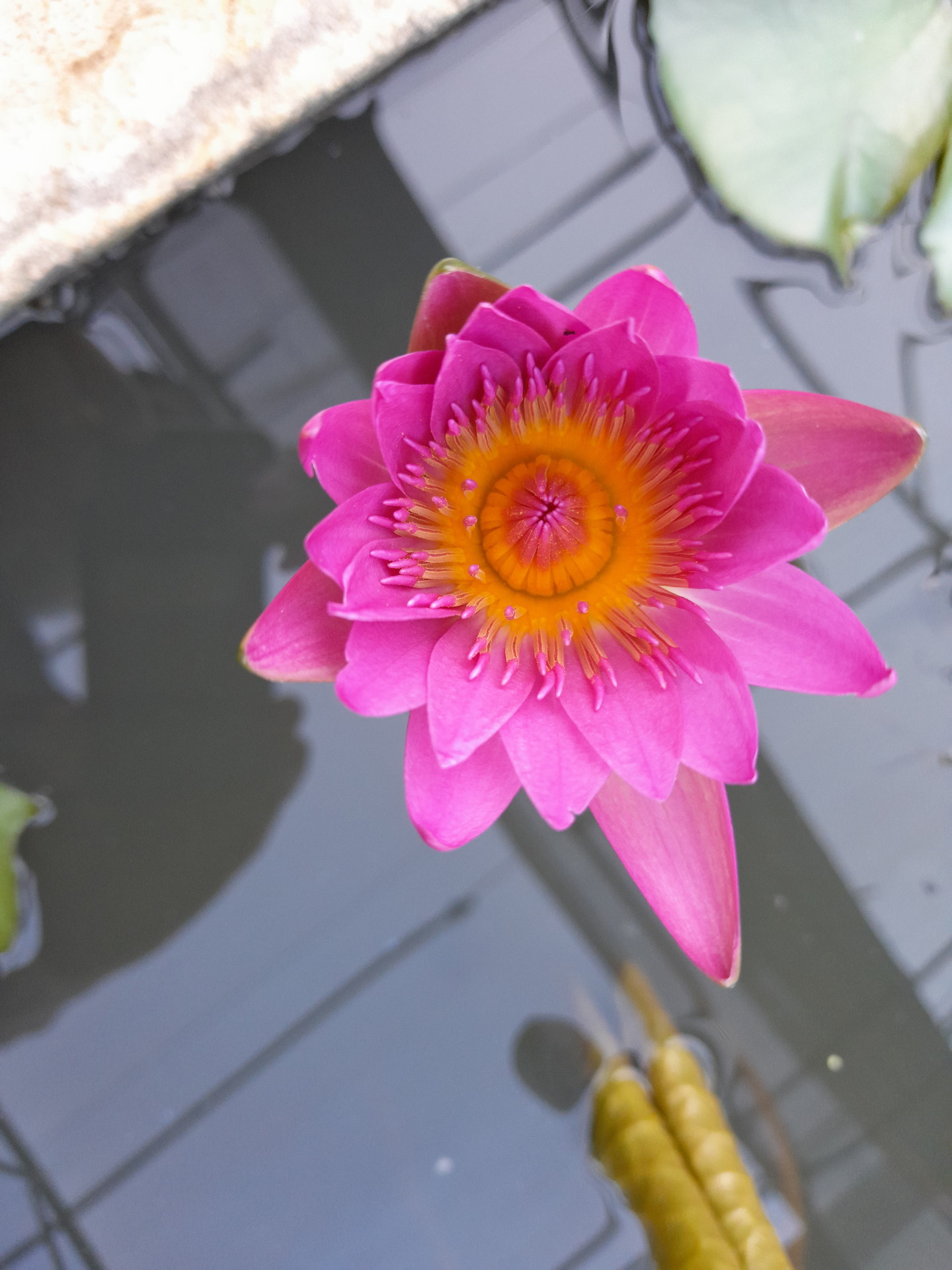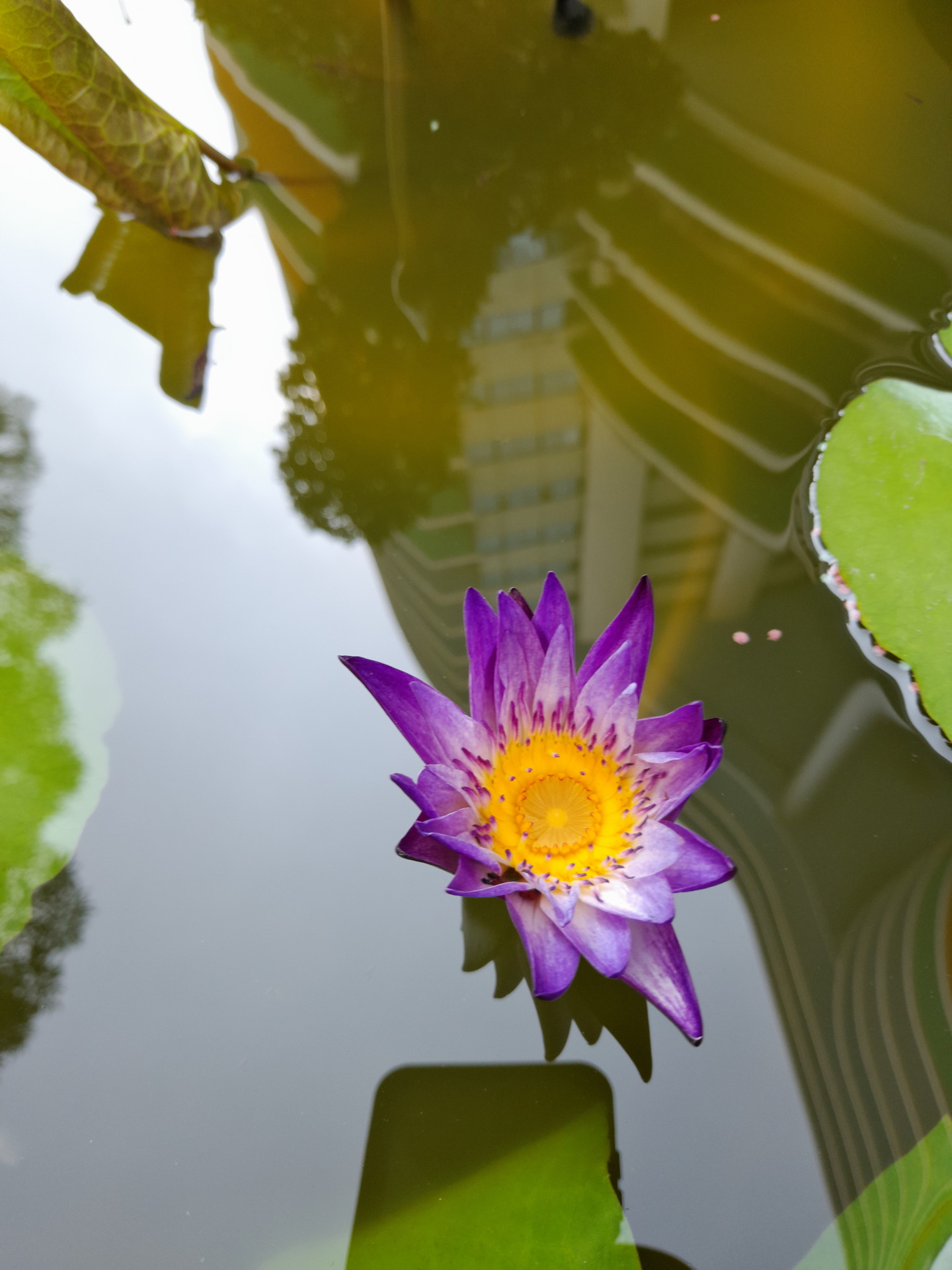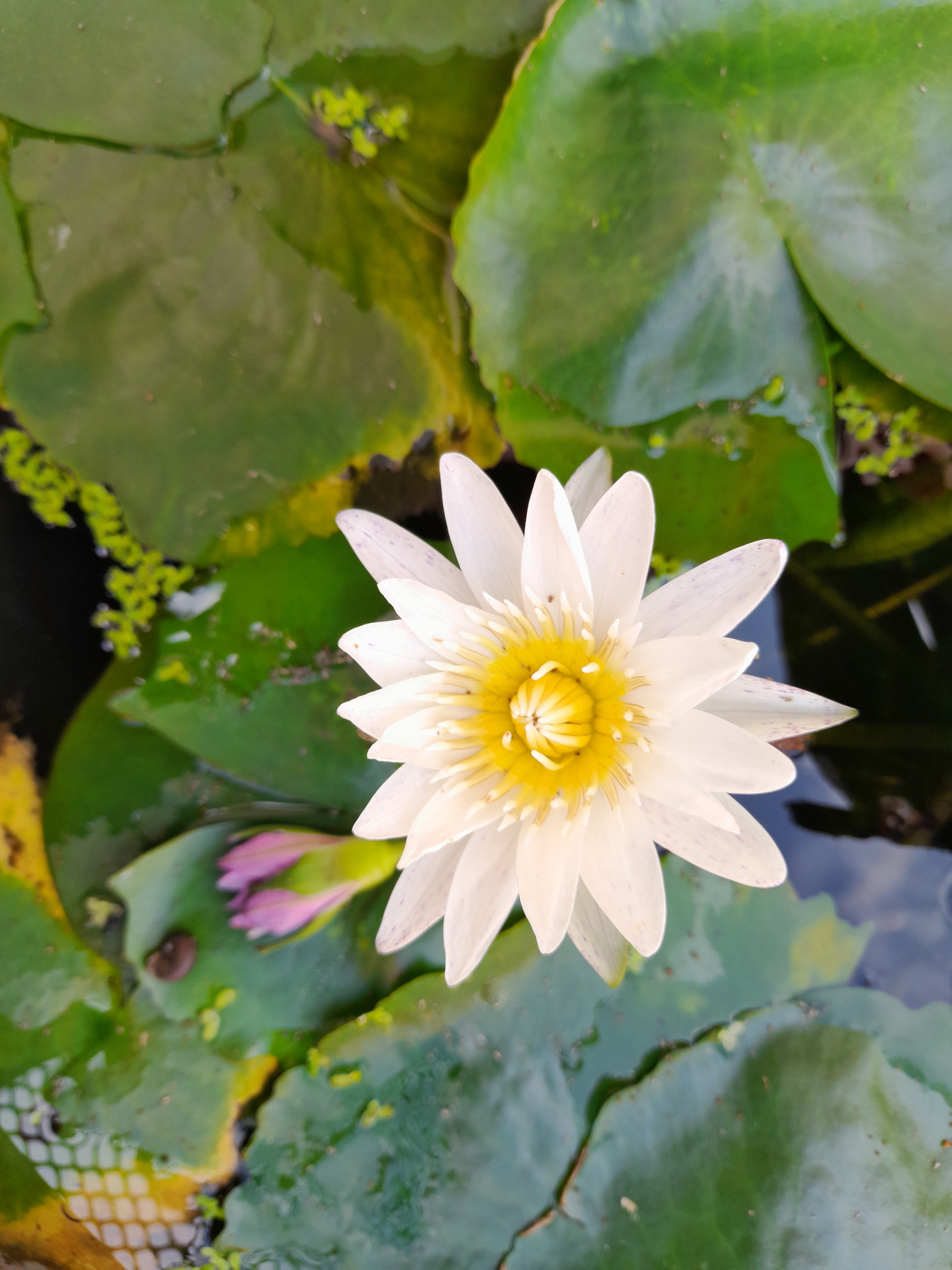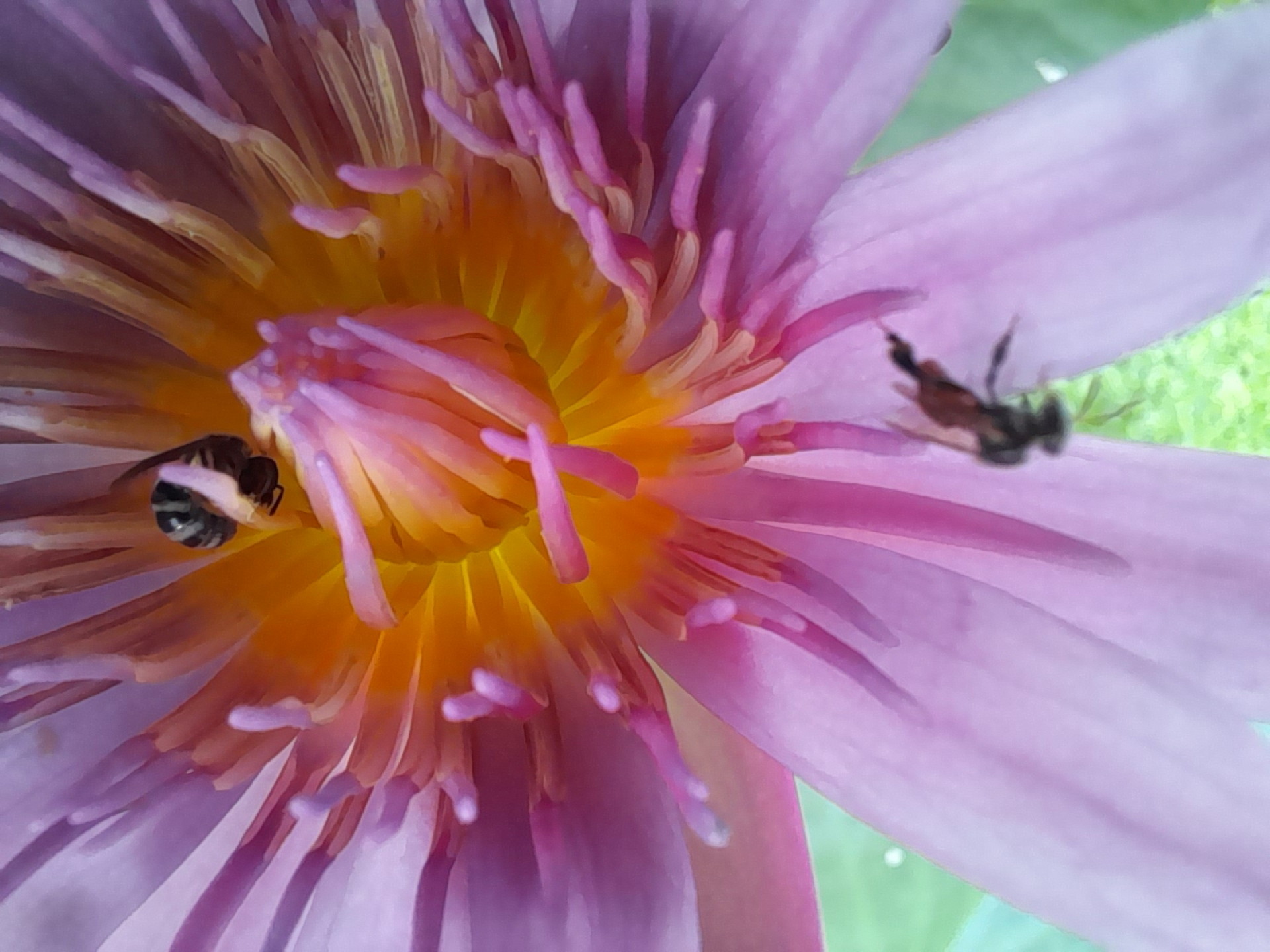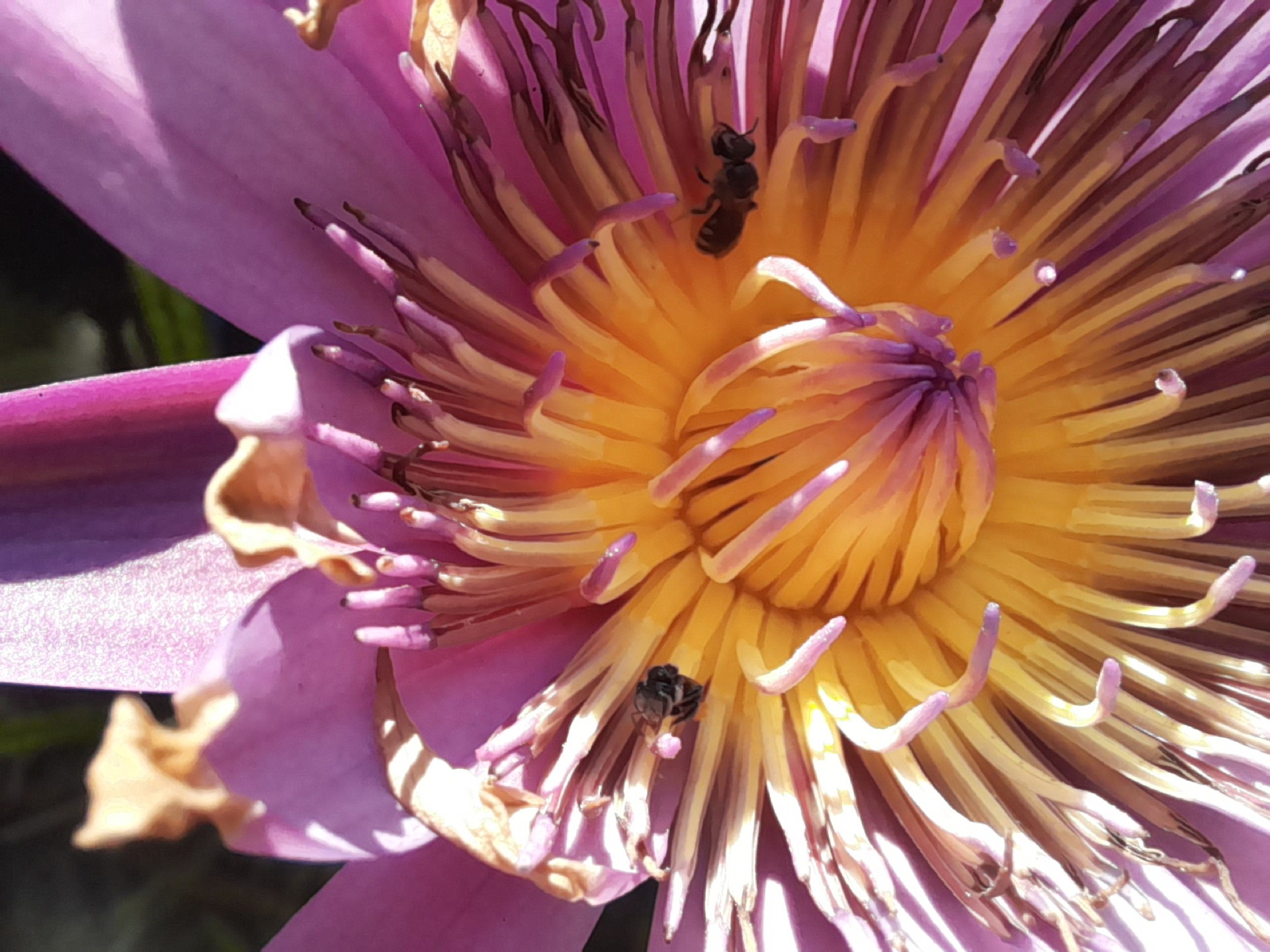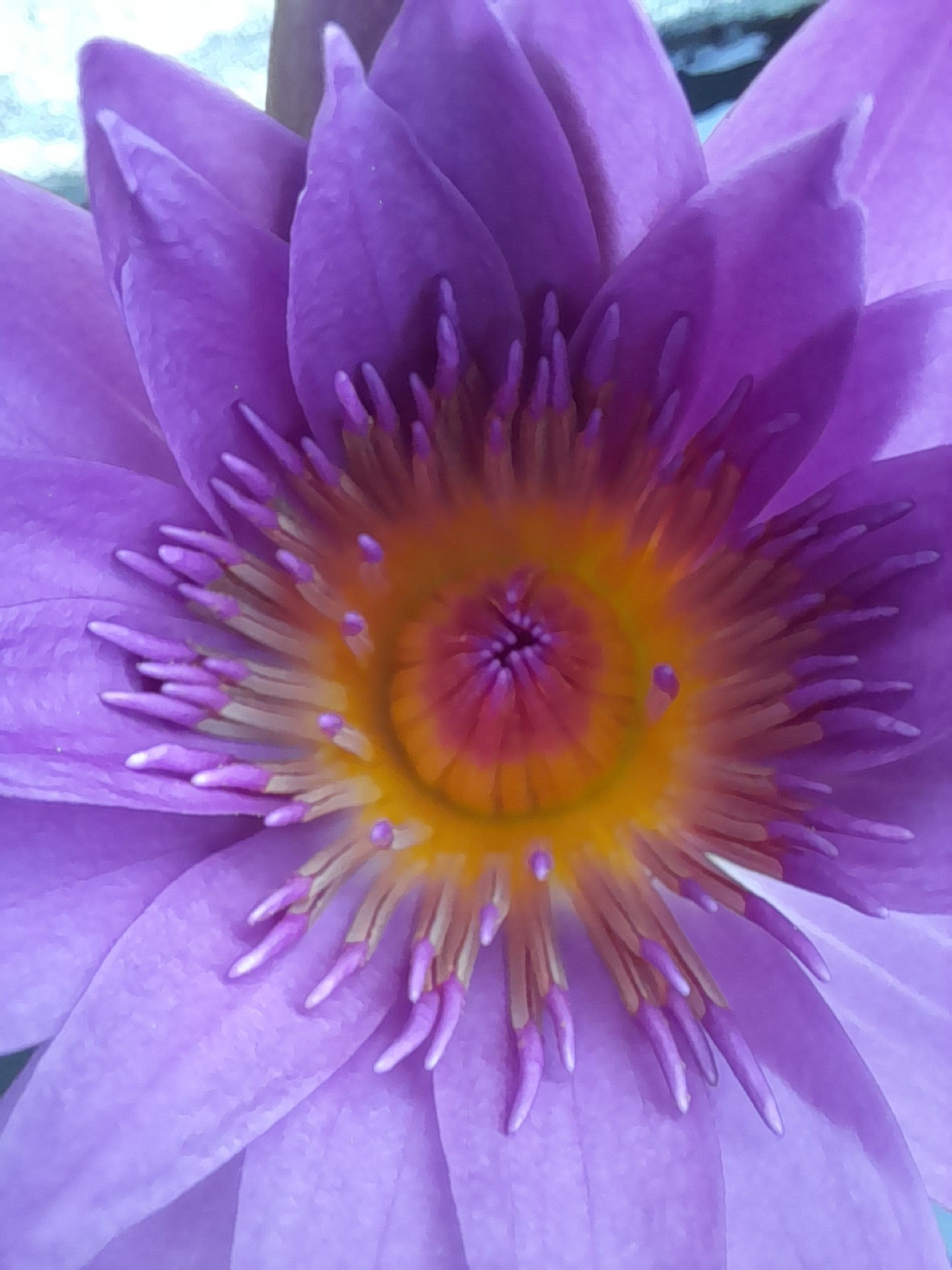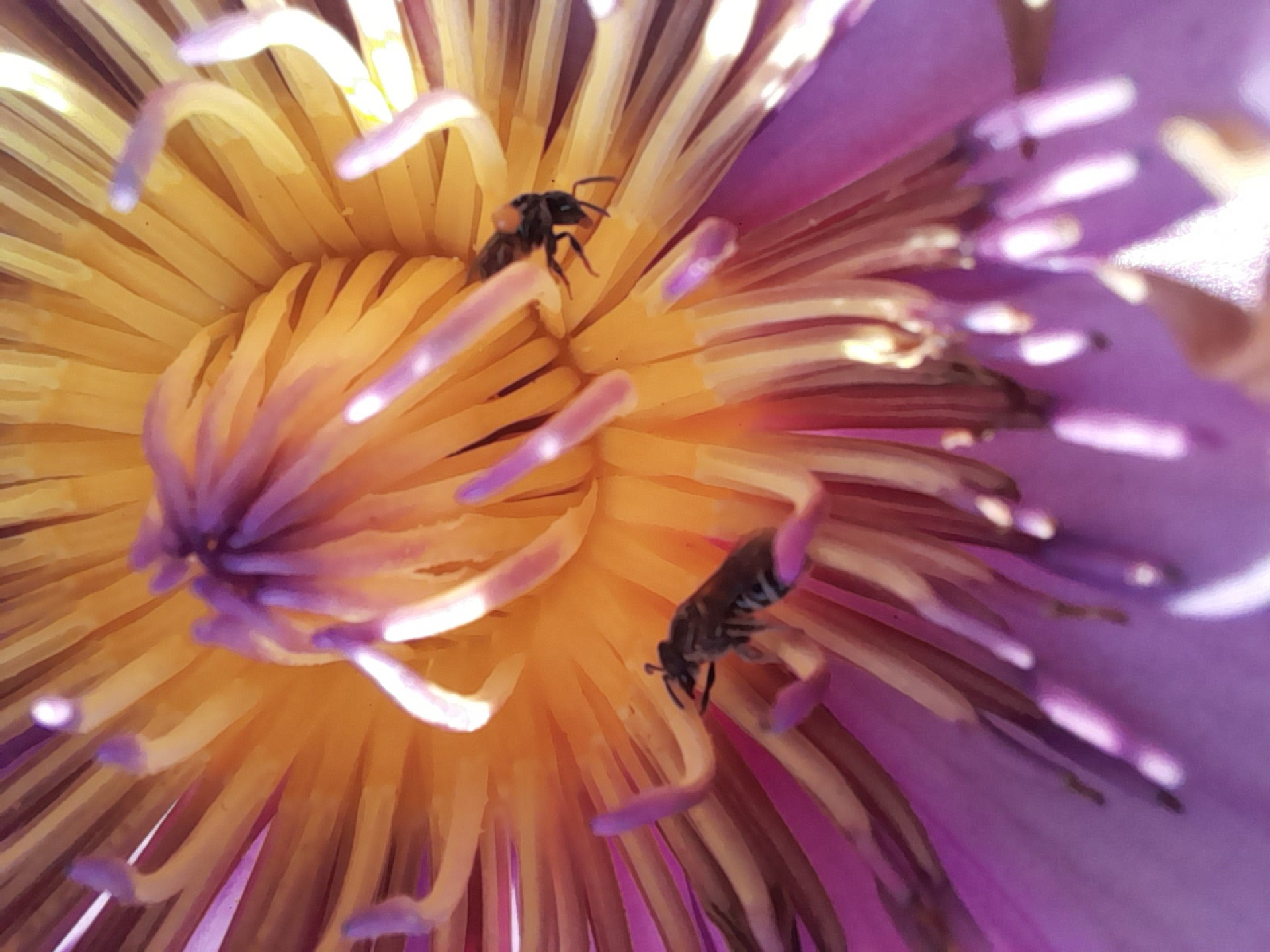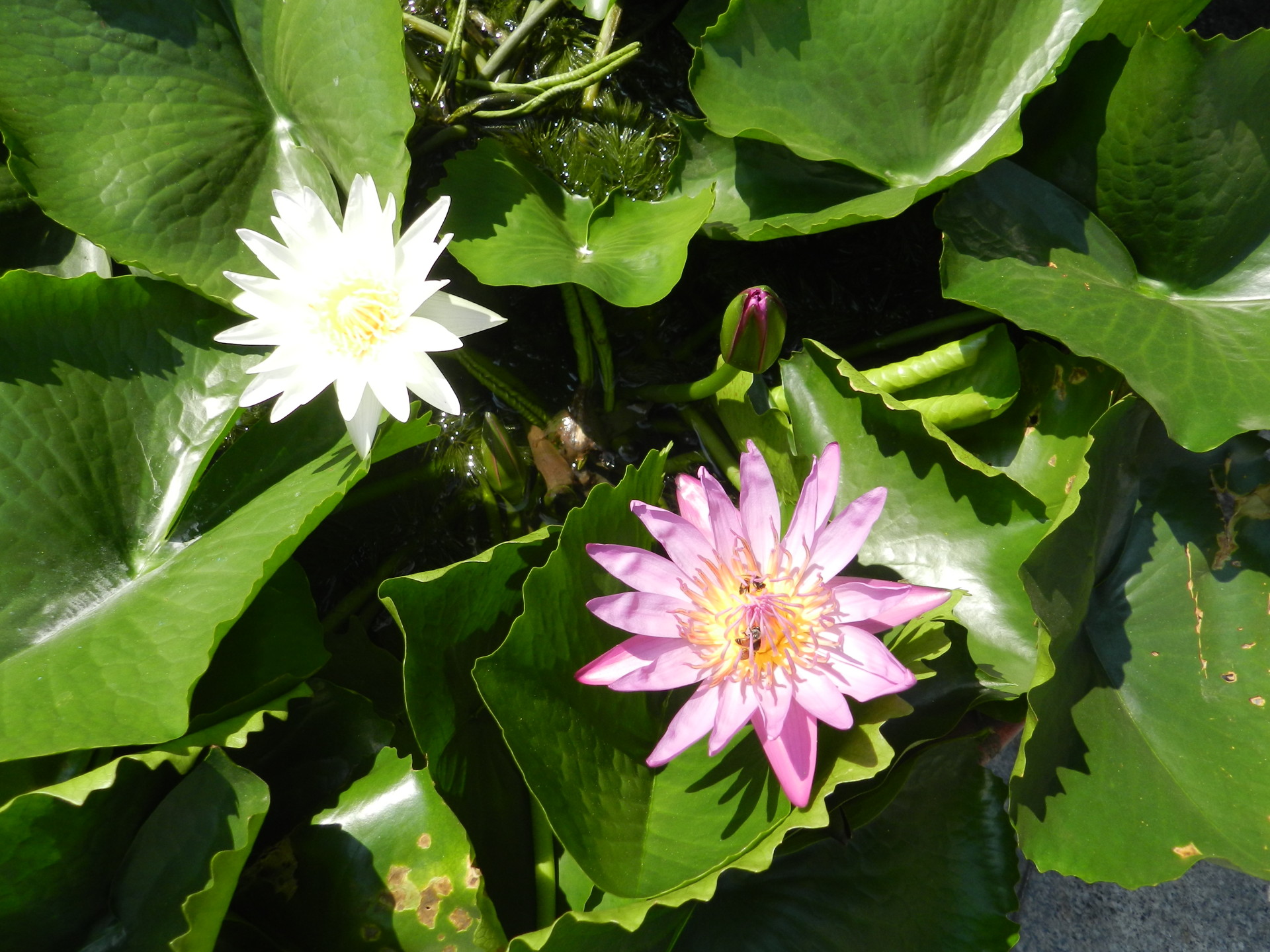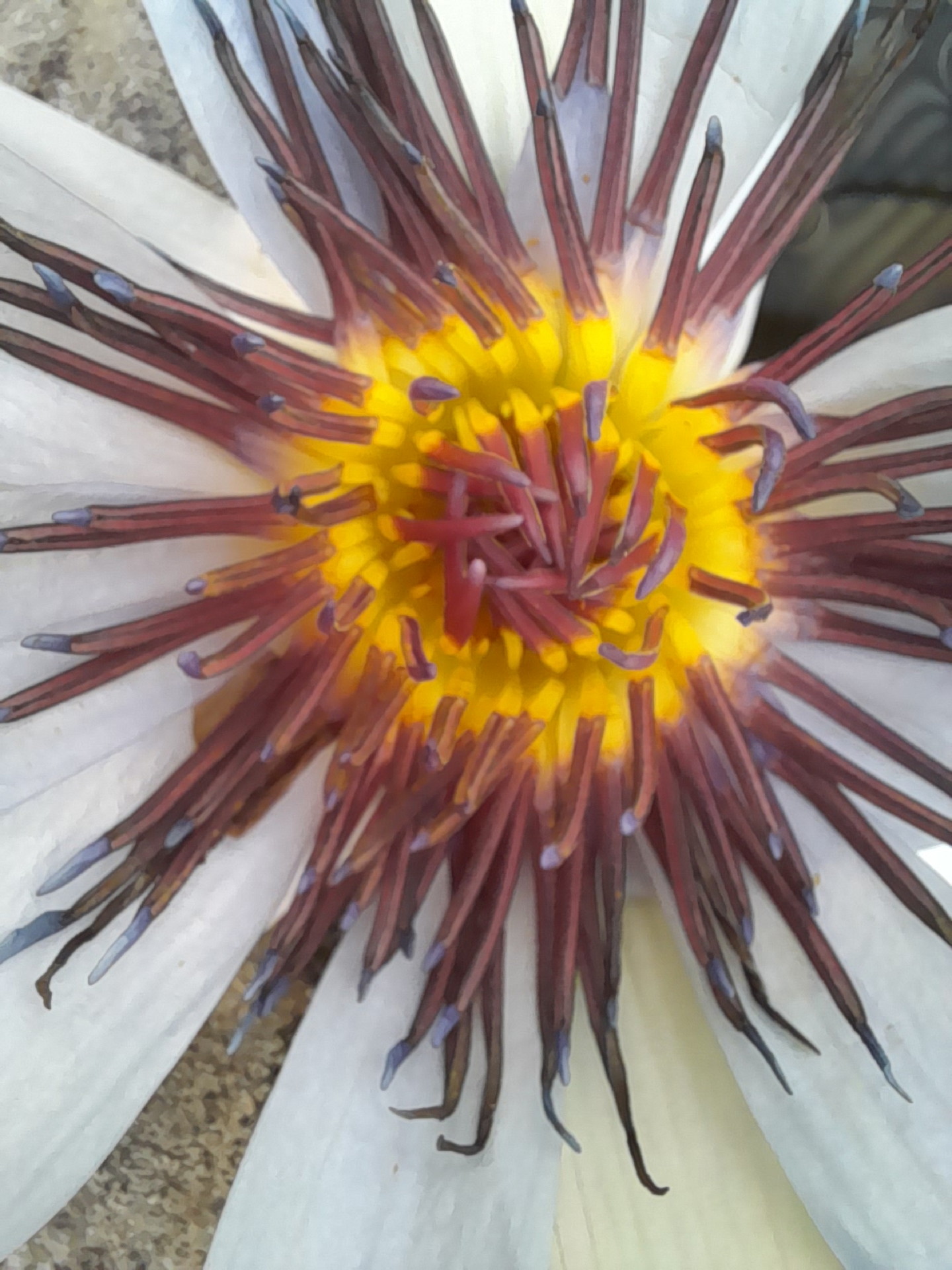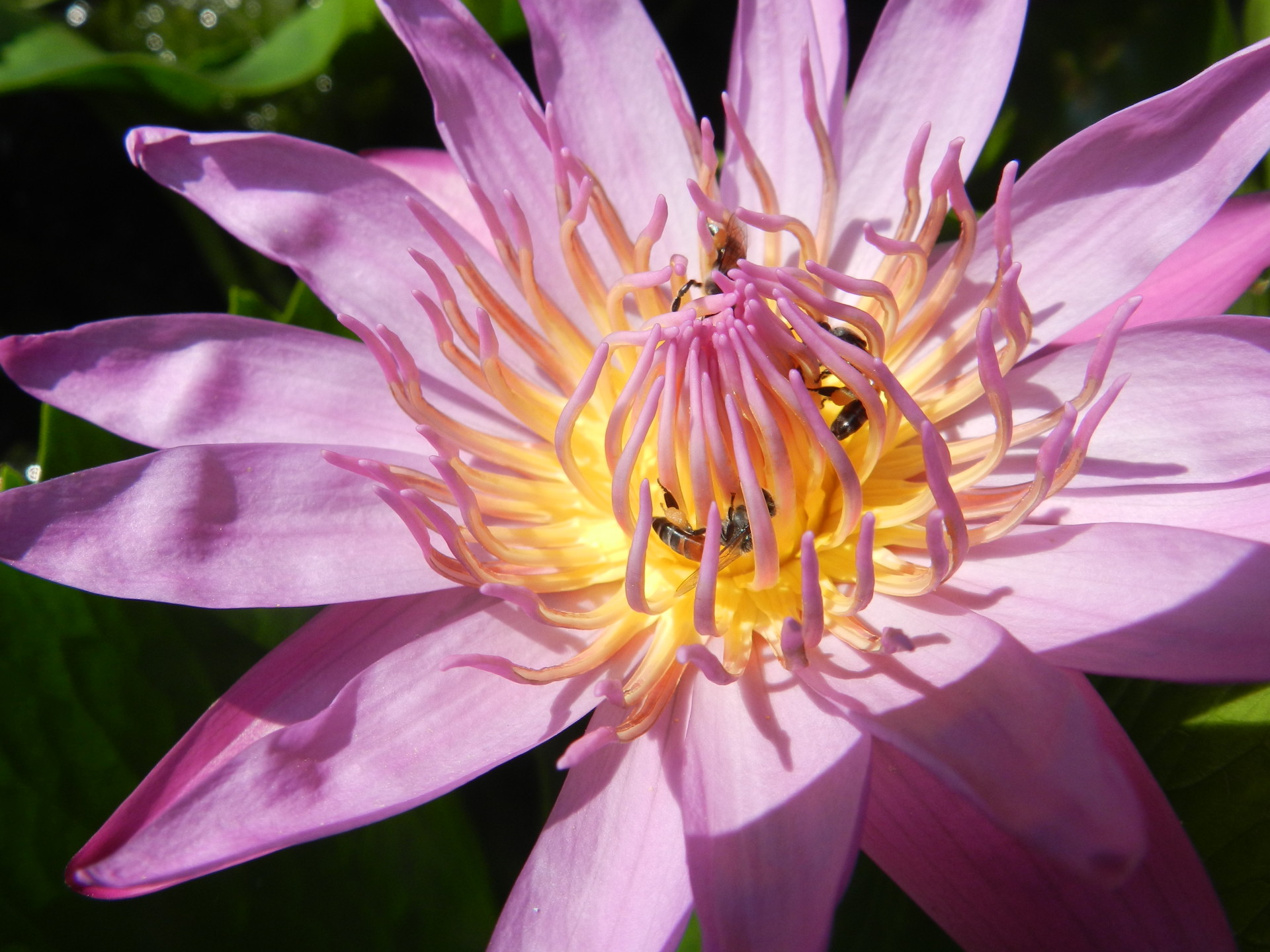
The Life of the Bua. It also contains images of waterlilies. The focus of my thoughts change as I travel in Thailand, a majority Buddhist culture. Physically manifestations of Buddhism are everywhere. Thai Buddhist Temples are generally tall and ornate, they not only are visible but seem to scream for prominence. They are hard to miss.
But it is also, at least if you are there for long, hard to miss the impact of Buddhist philosophy on the culture. The quintessential Thai phrase seems to be “Mai Pen Rai” ไม่เป็นไร, often translated as “never mind”. It seems to more literally mean, “Its not a thing”. Mai Pen Rai is a request to deny attachment in the Buddhist sense, to not grasp for a particular outcome, to “go with the flow.” There are other manifestations. Thais are for the most part particularly soft spoken. This seems a manifestation of control of emotion that is emphasized as a goal in Buddhist philosophy. You are expected to be able to control emotions there and doing so makes you fit in better.
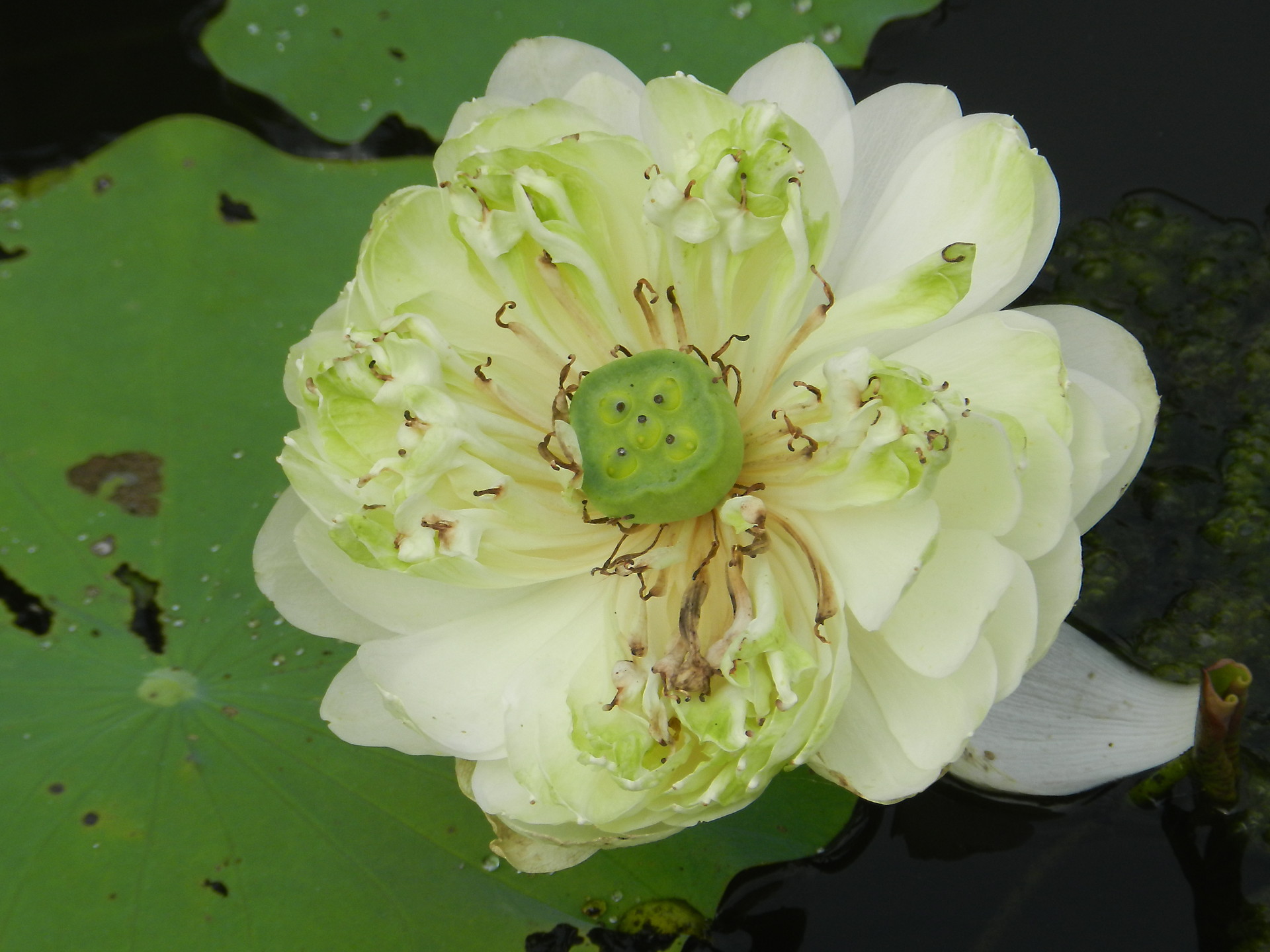
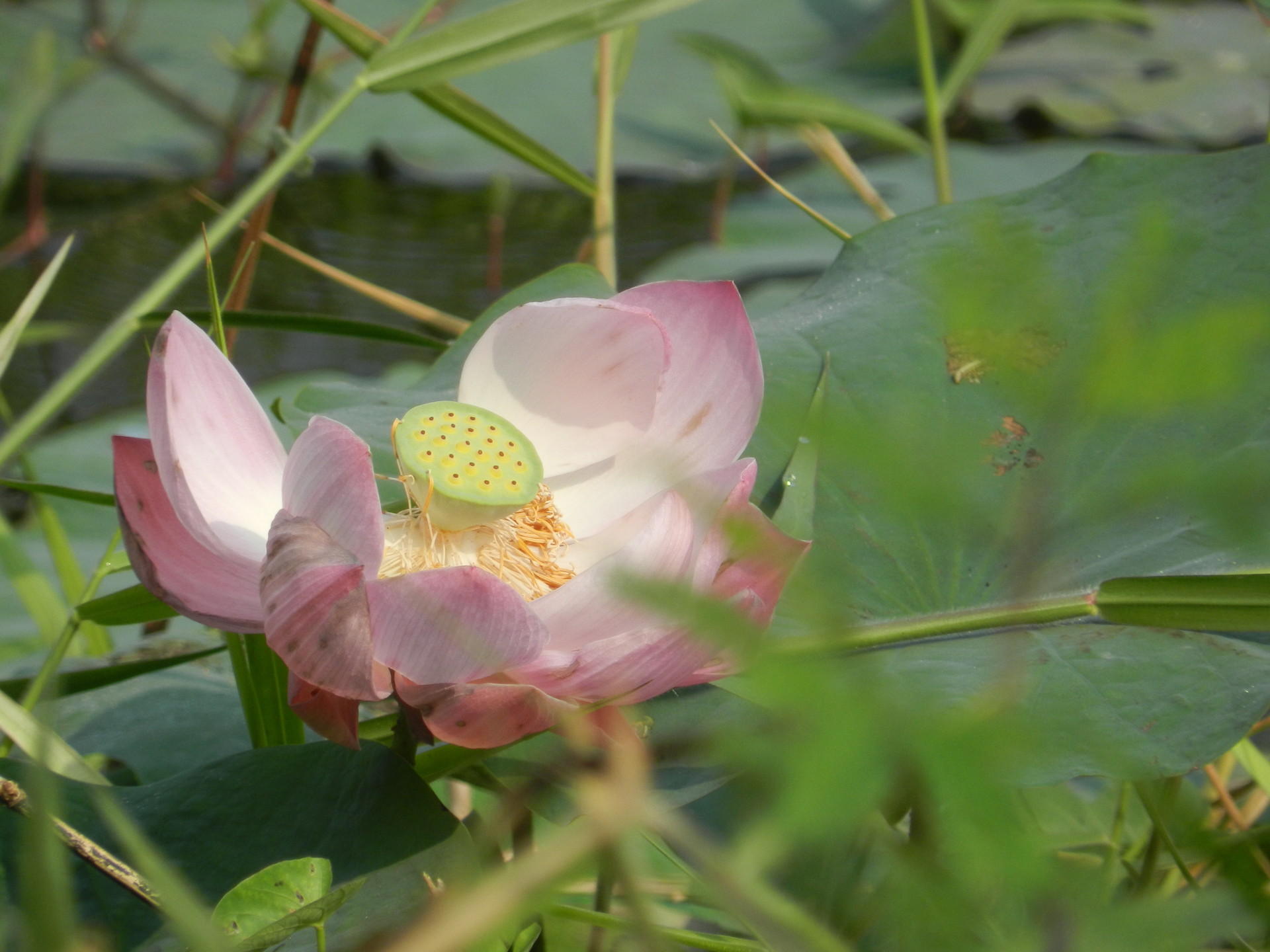
Back in 1975 Spring Semester I did not have a big introduction in my Asian Art History Survey Class to Buddhist iconography, just a little one. But we did learn of The Wheel of the Law and the Lotus flower. To my my mind these two round symbols are similar. The lotus in Buddhist art is often depicted from the top of the blossom, symetrical and stylized. Like the Wheel of the Law it is round. Round symbols make sense in a religion that stresses cycles rather than linear progressions. The big cycle in Buddhist thought, samsara สังสารวัฏ, in Thai pronounced more like “sangsarawat”, is the cycle of life; birth, aging, death, rebirth. They believe that living this cycle is to have suffering and that freedom from suffering comes from achieving nirvana, in Thai “nippan” นิพพาน. Its important to understand that the word “suffer” while close, dose not directly map to the Thai Buddhist concept (ทุกข์), and the words nirvana, samsara, and especially karma กรรม are not always quite the same. I am not an expert in this.
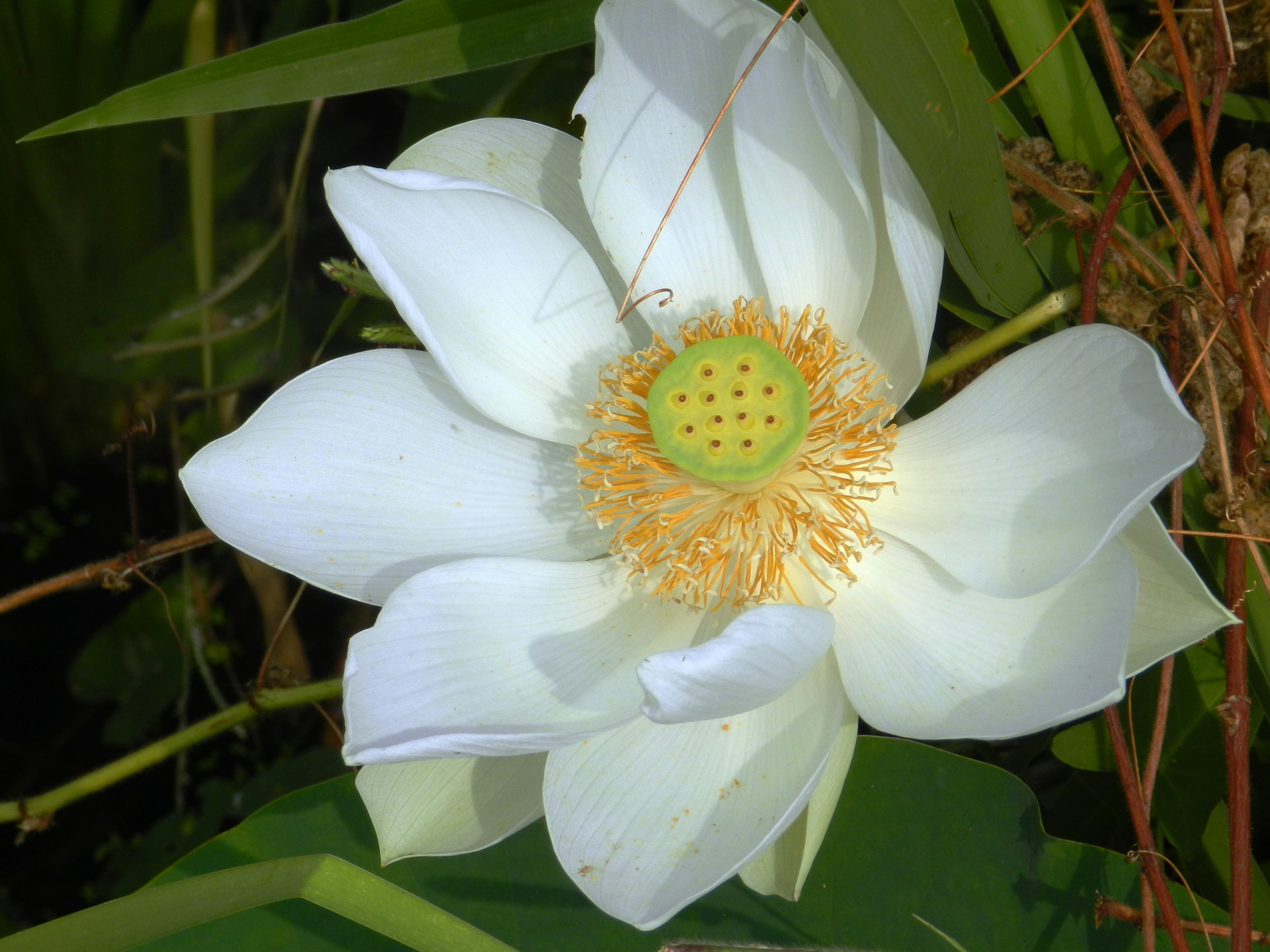
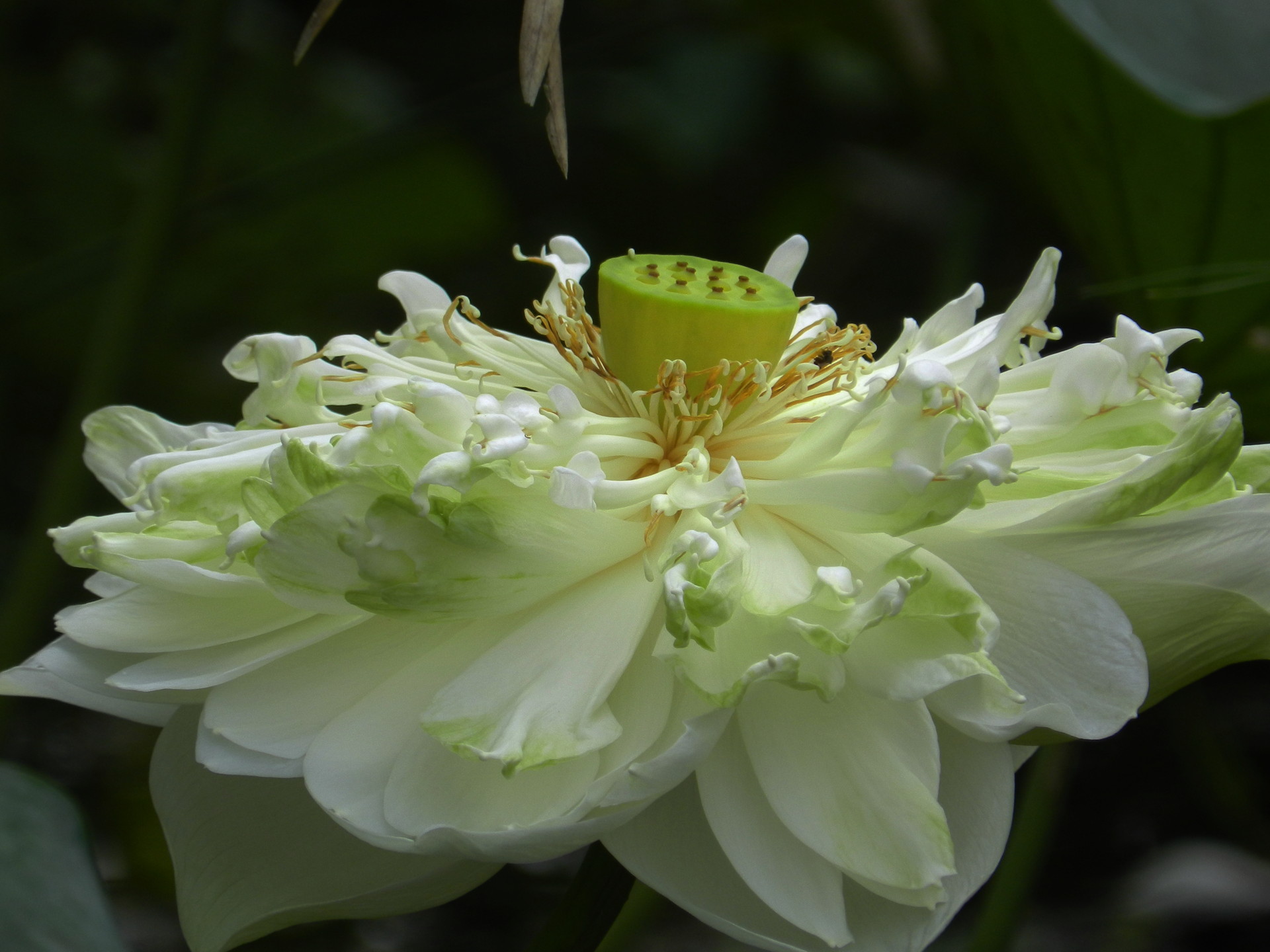
The Wheel of the Law, the Dharmachakra, is a symbol sort of representing the change in human understanding of existence instigated by the teachings of Buddha Sakyamuni. It also represents the Four Noble Truths, the Eightfold Path, and dependent origination. The Buddha is said in this sense to have put the wheel into motion. I see it as a symbol of a process, not static, dynamic. I am unsure if others see it this way. The lotus on the other hand is a symbol of the goal, enlightenment. It grows from the mud, impure and full of desire or grasping, rising above, without stain, into purity, nirvana (นิพพาน). In Thai both the water lily and the lotus are often called “bua” but their long names are differentiated. Both appear frequently in temple plantings, but the lotus, whose leaves are (usually) elevated from the water, the religous variety, is Bua Luang.
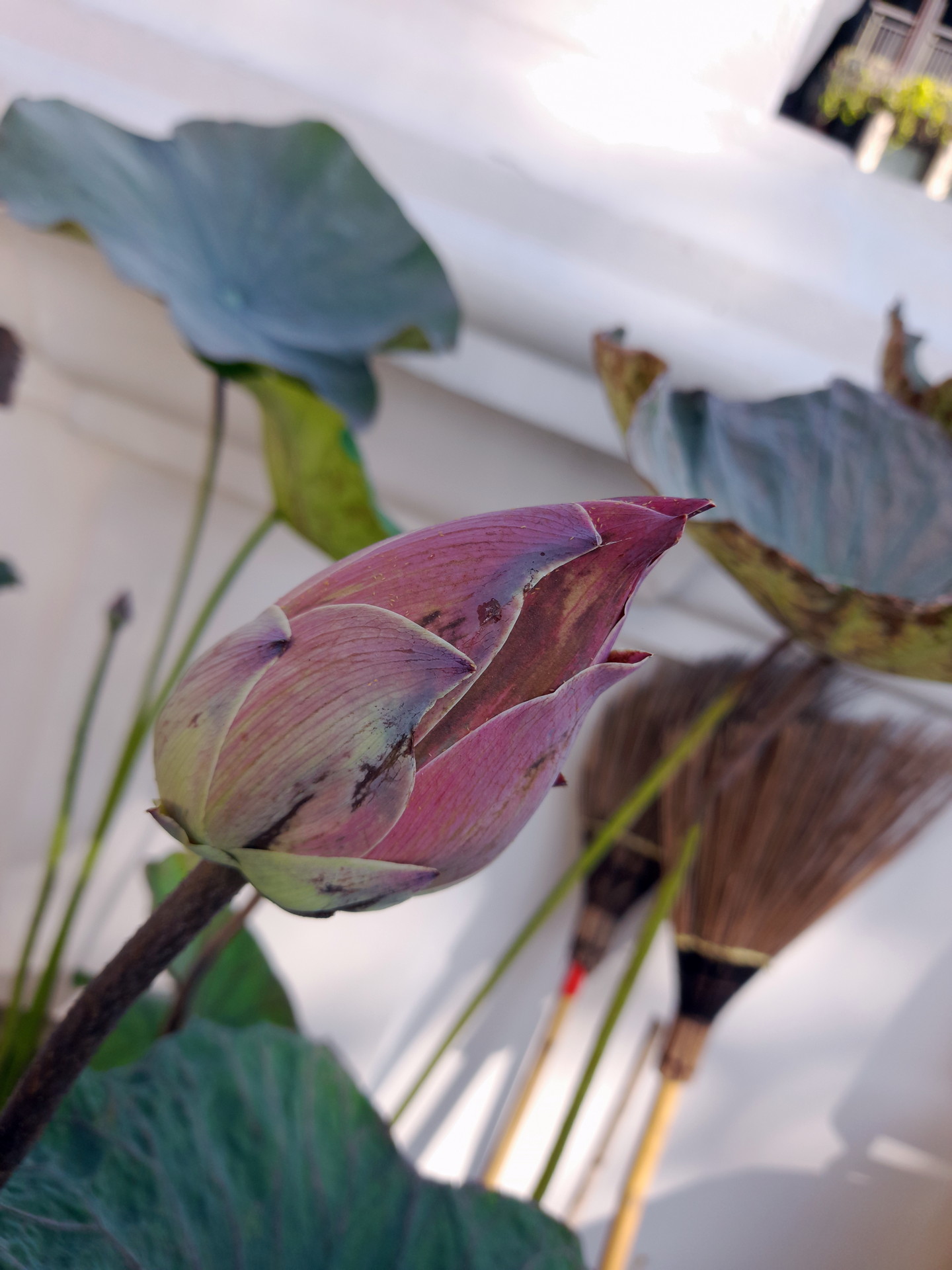
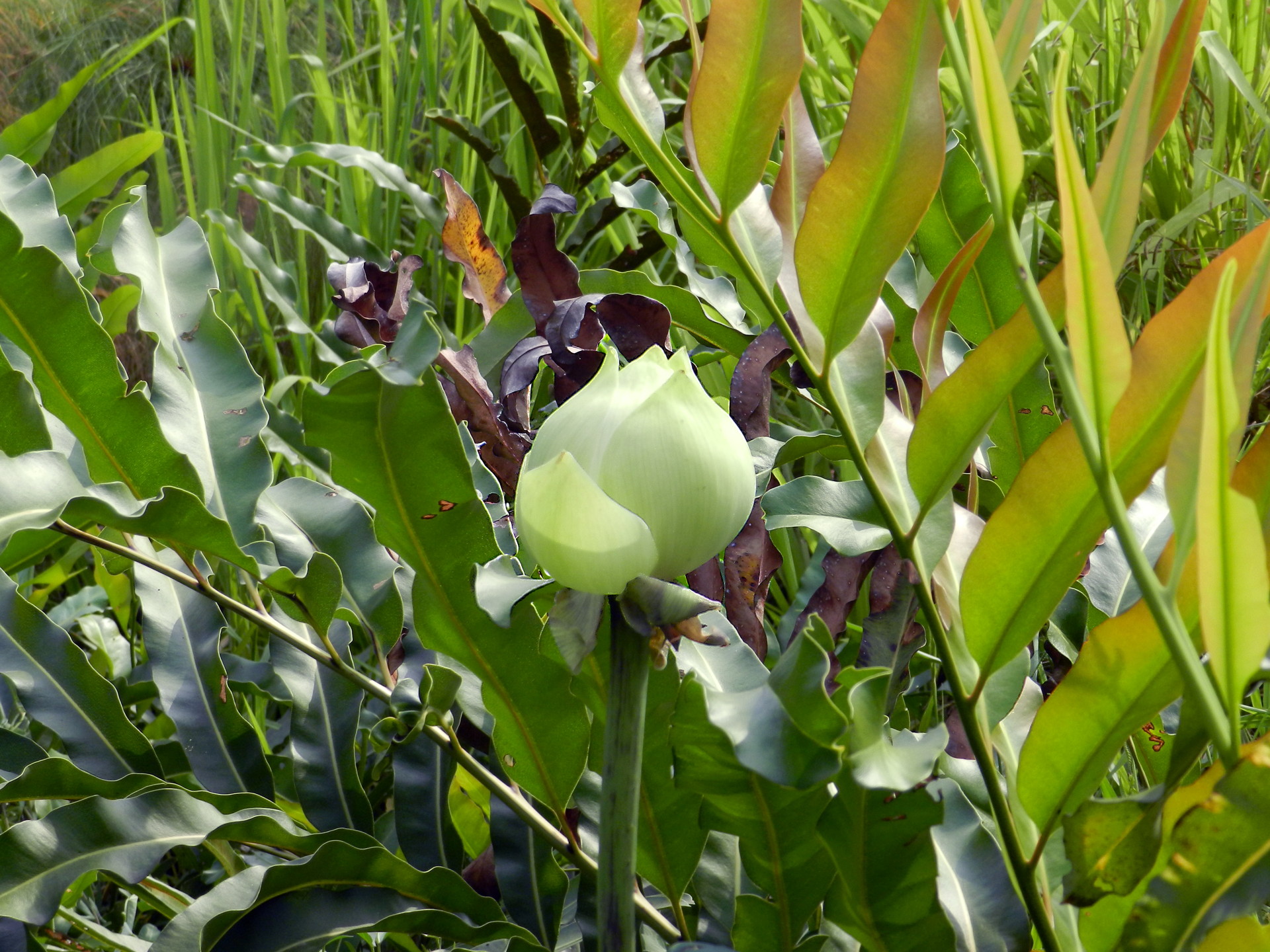
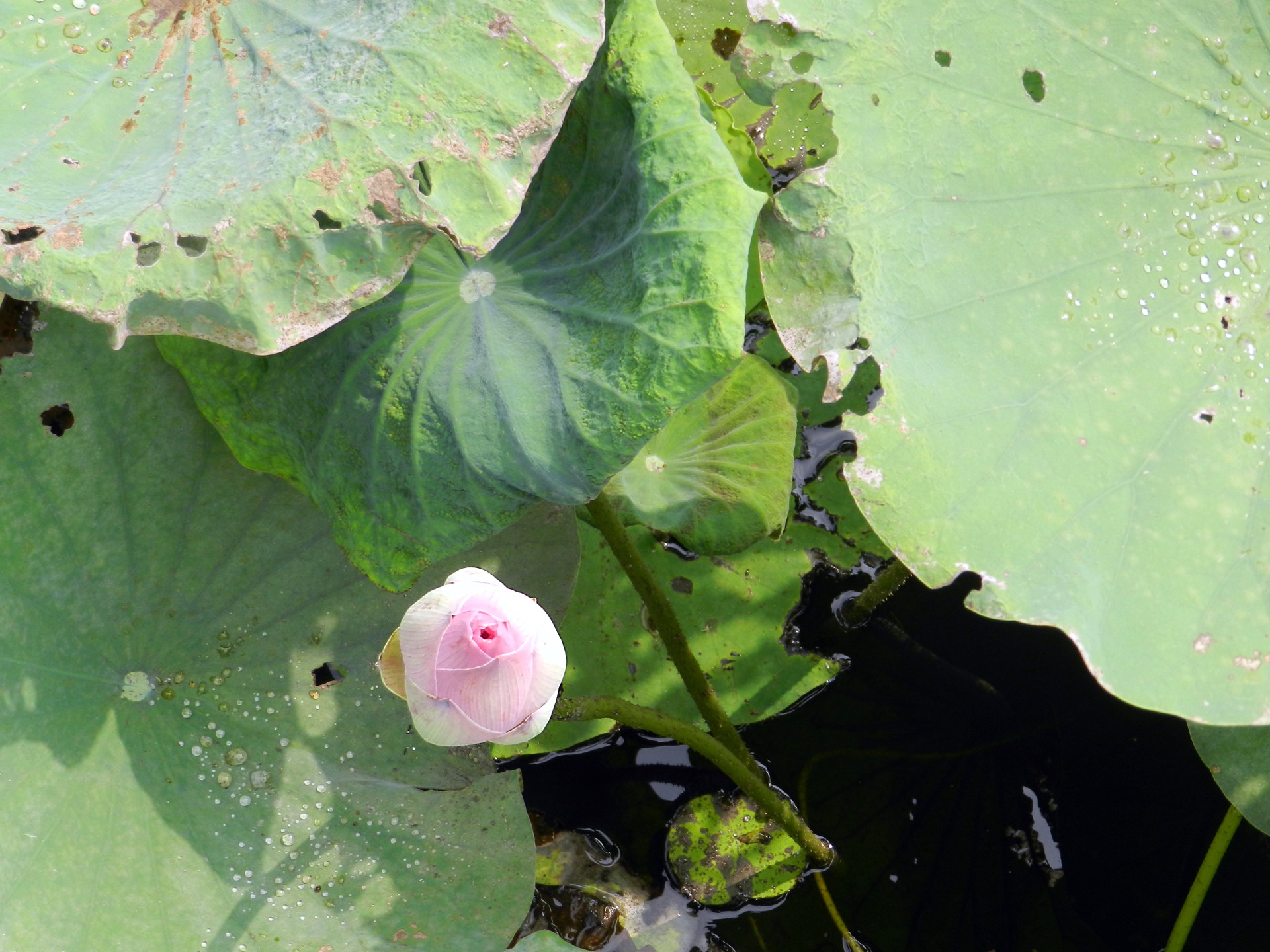
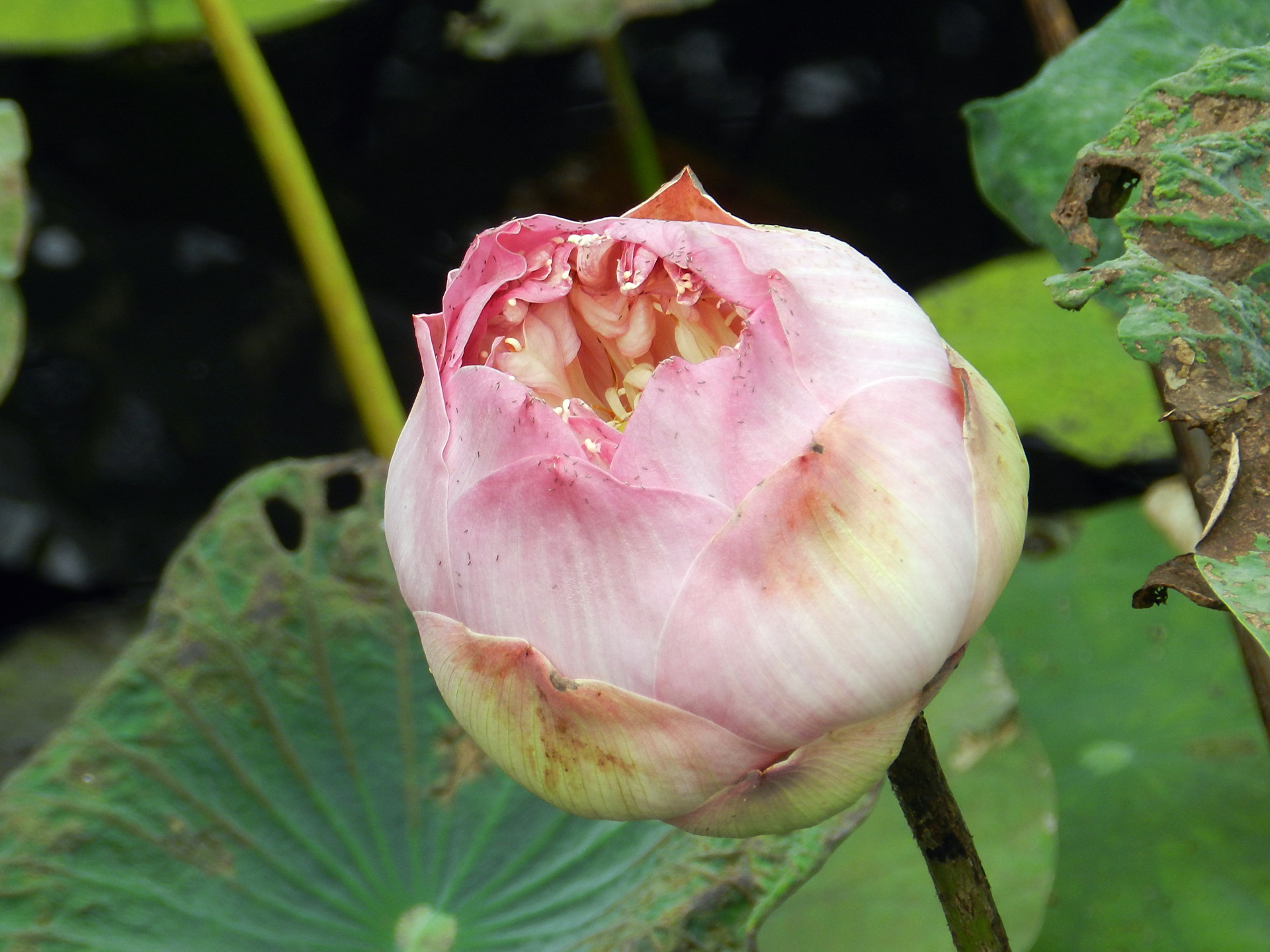
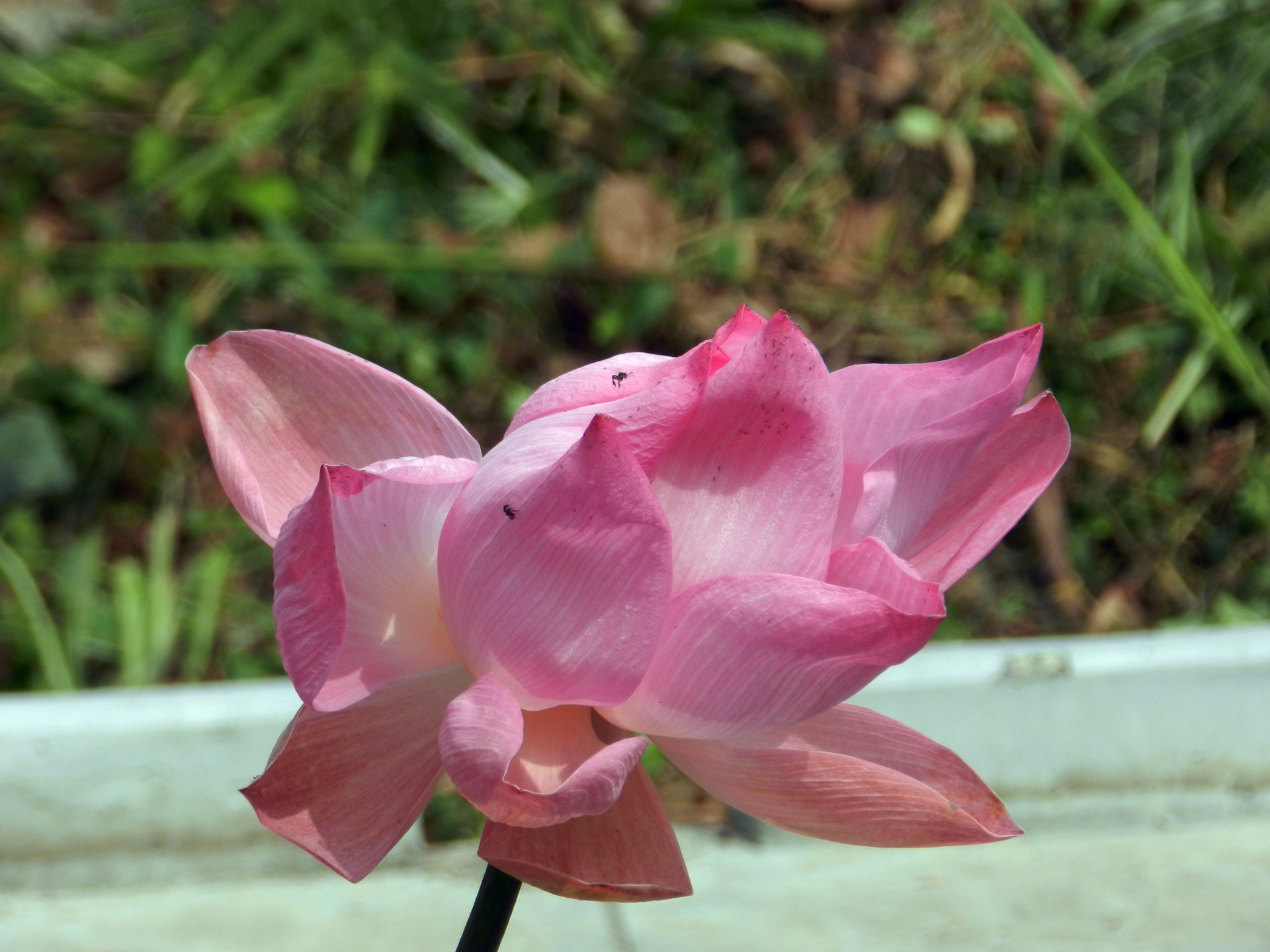
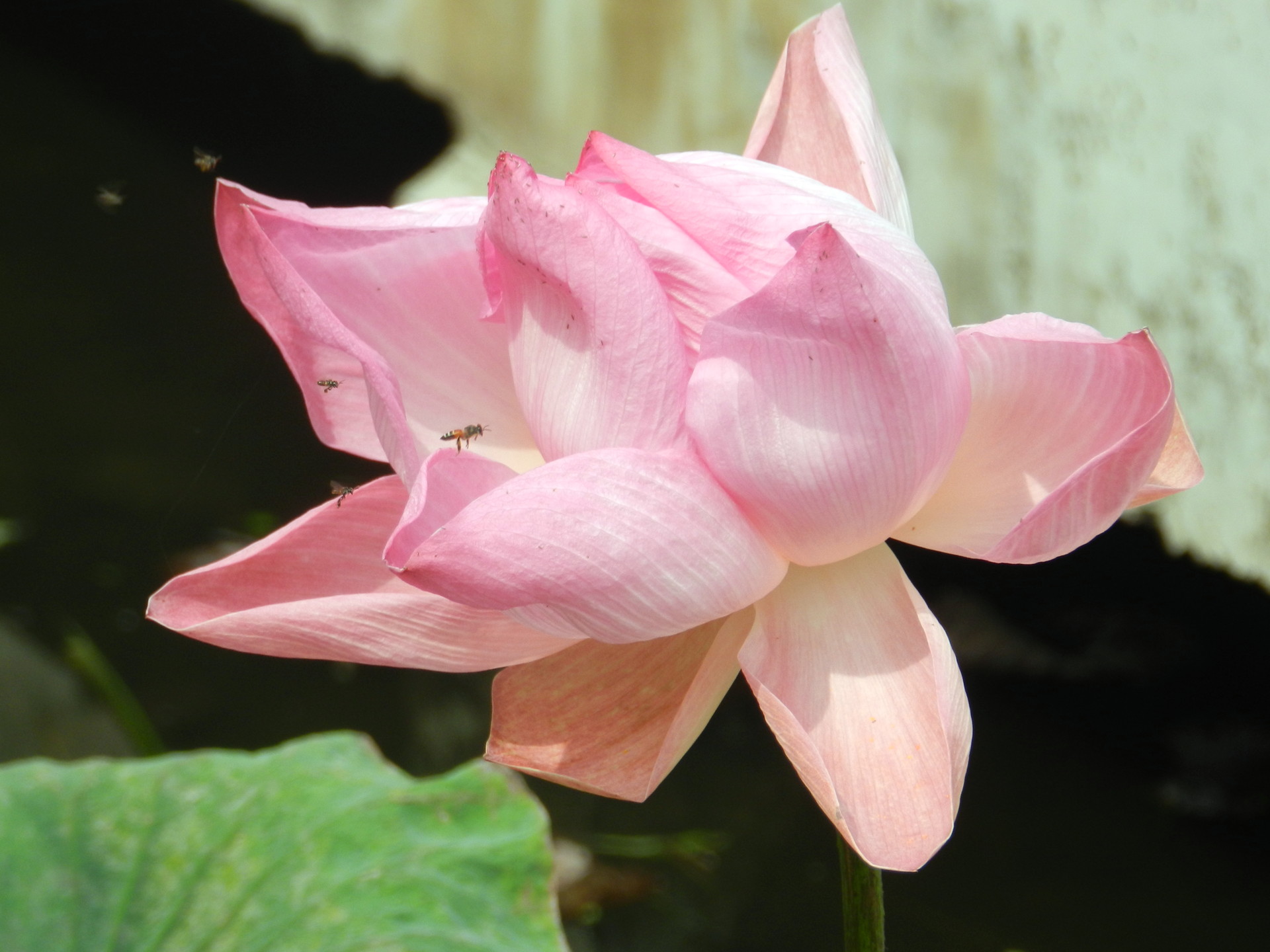
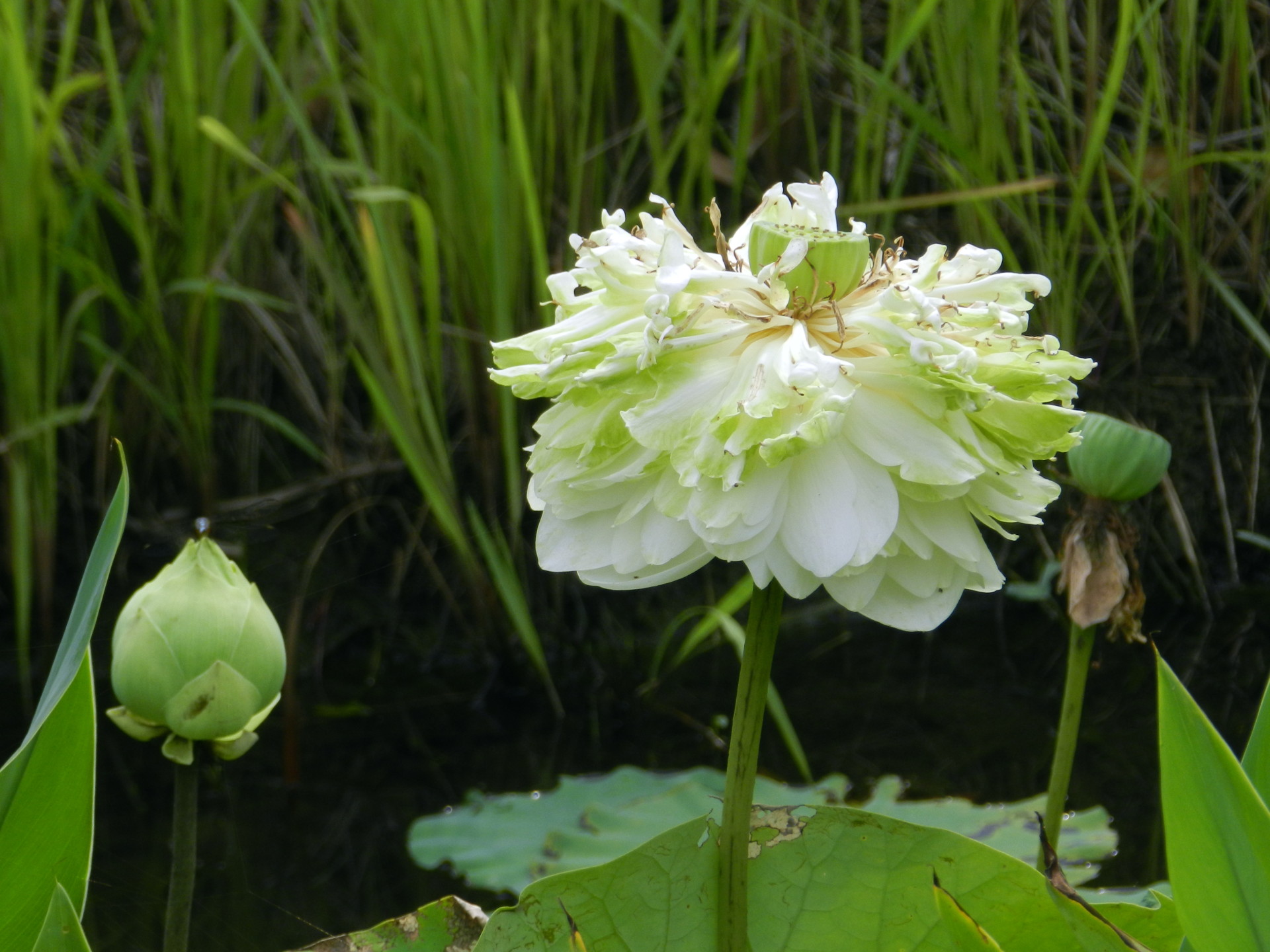
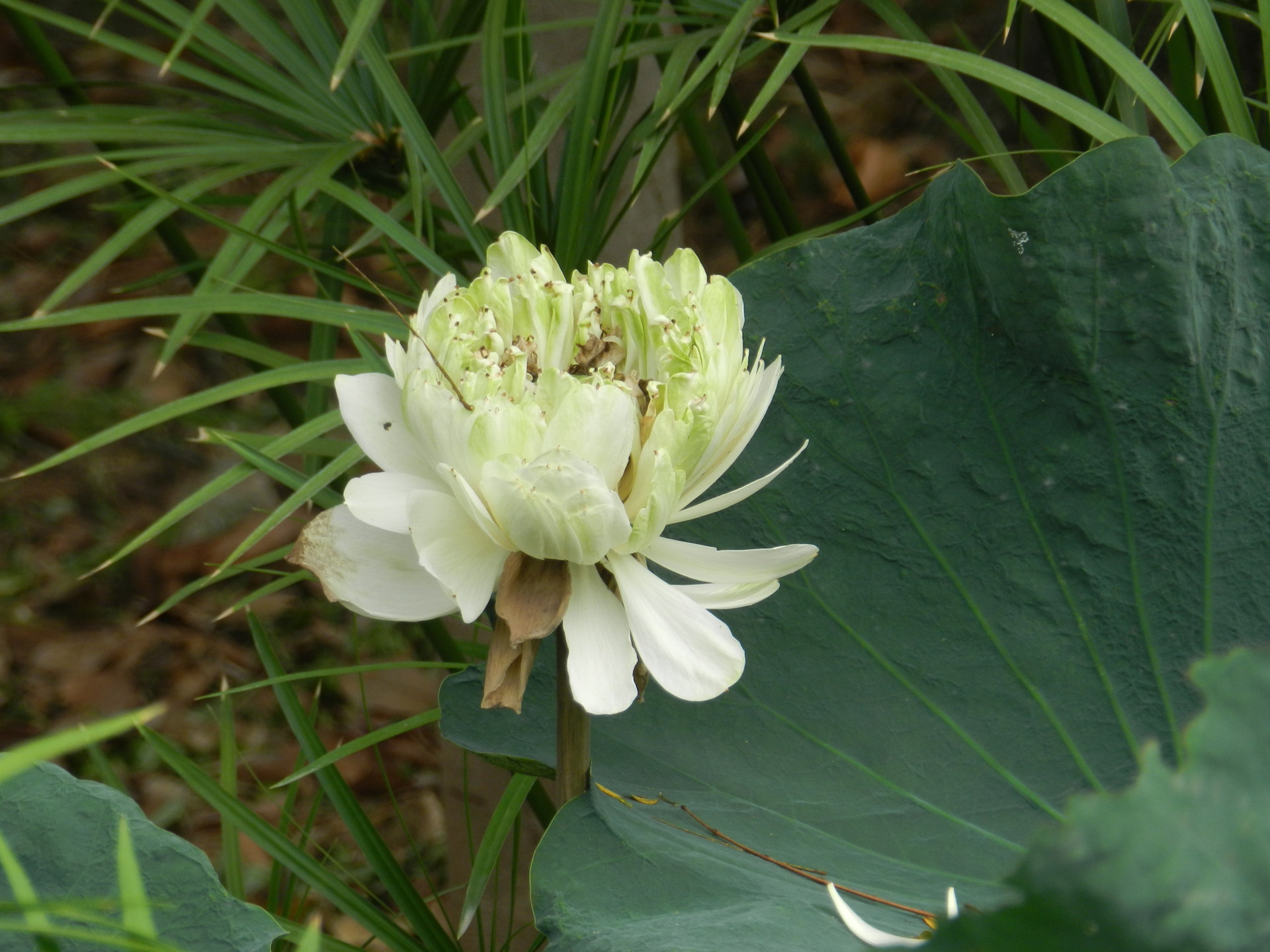
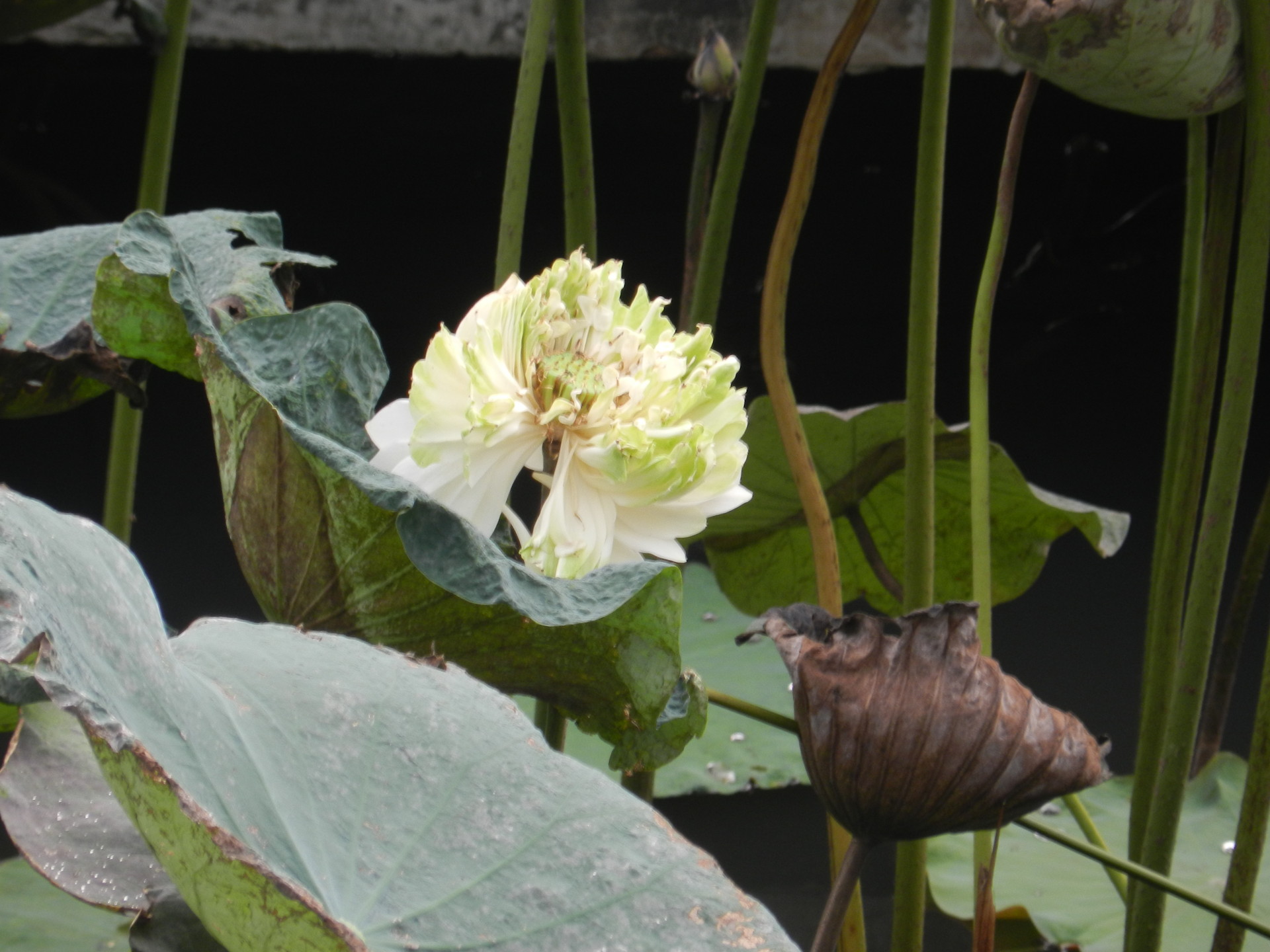
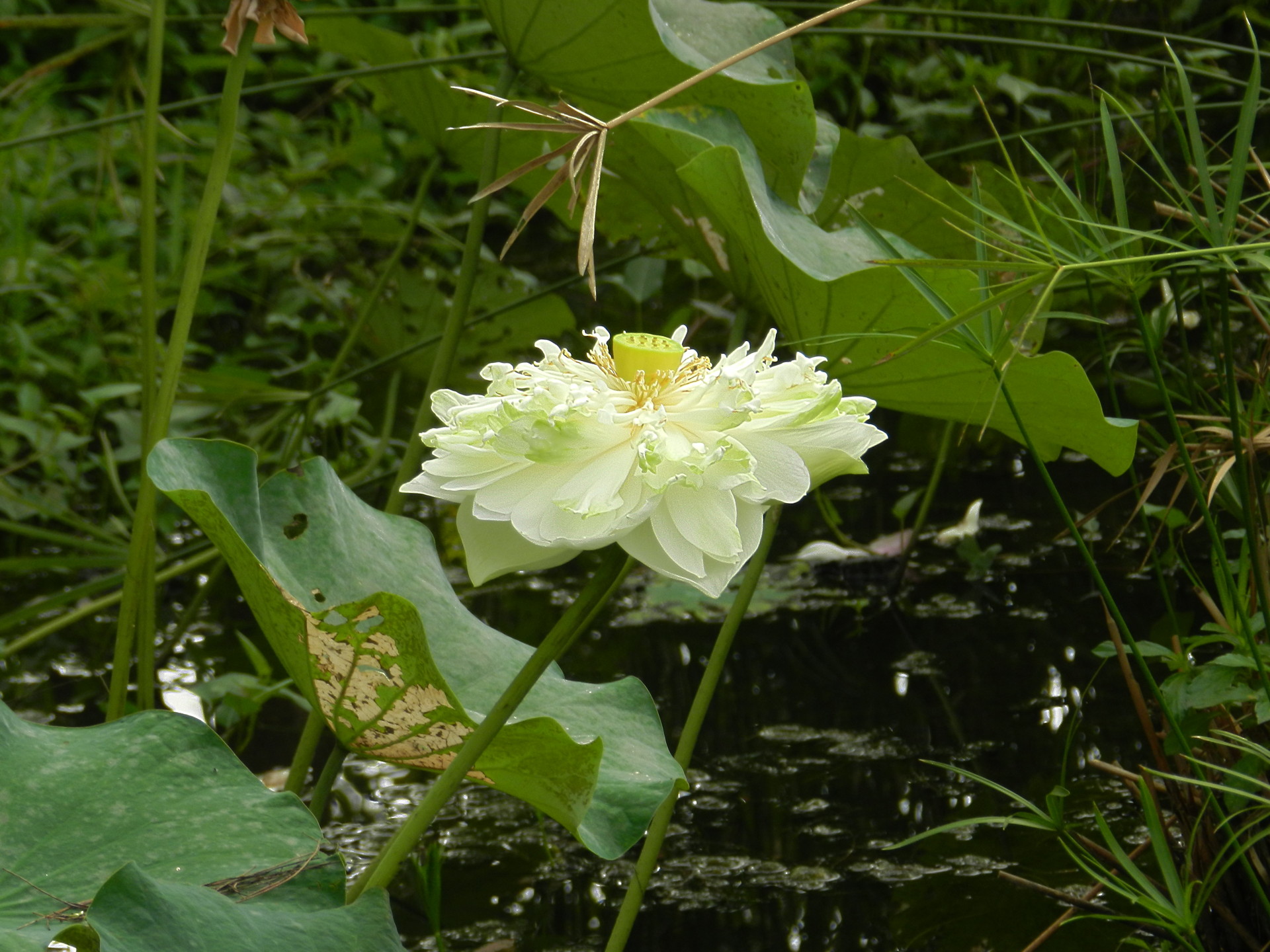
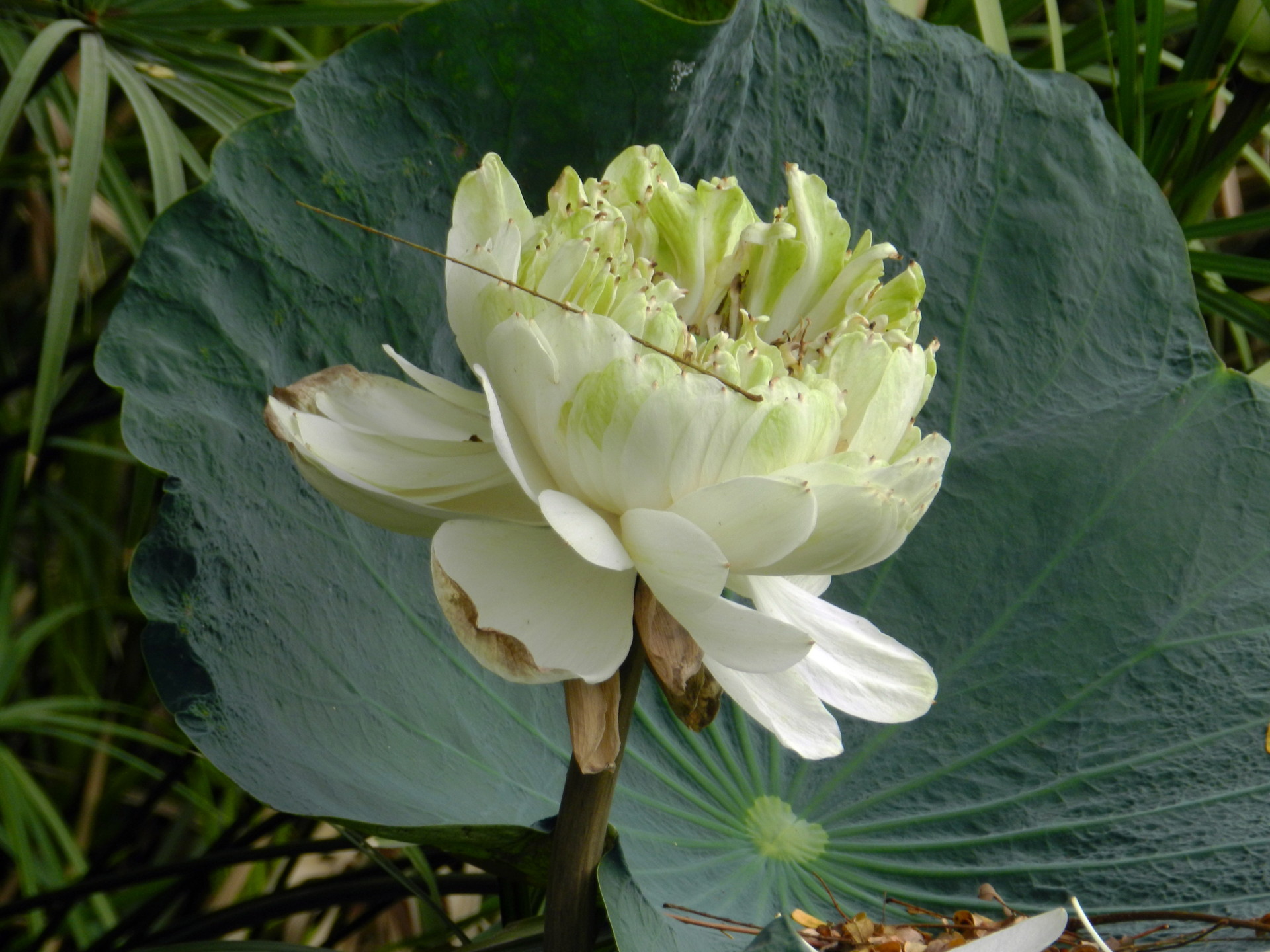
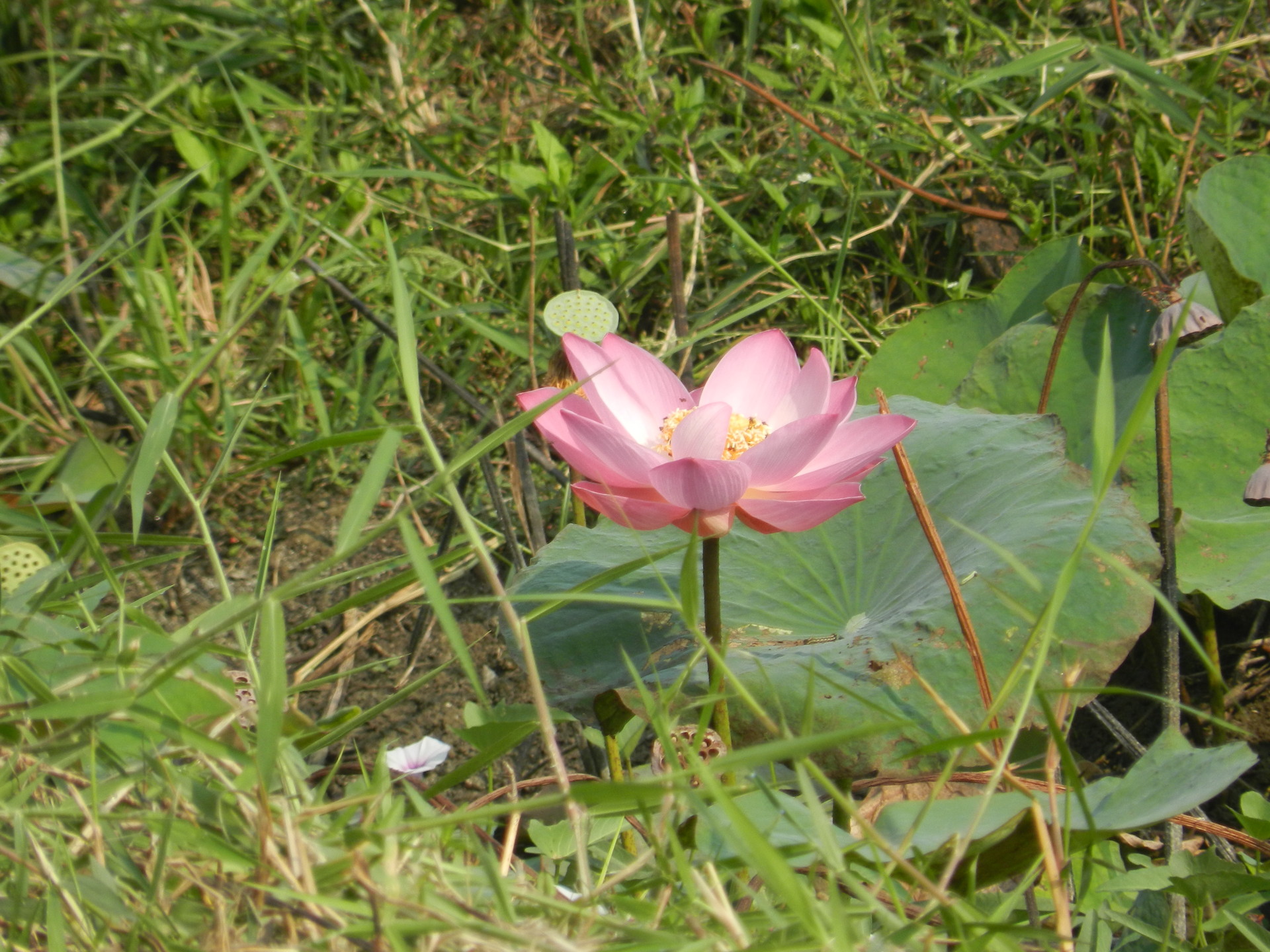
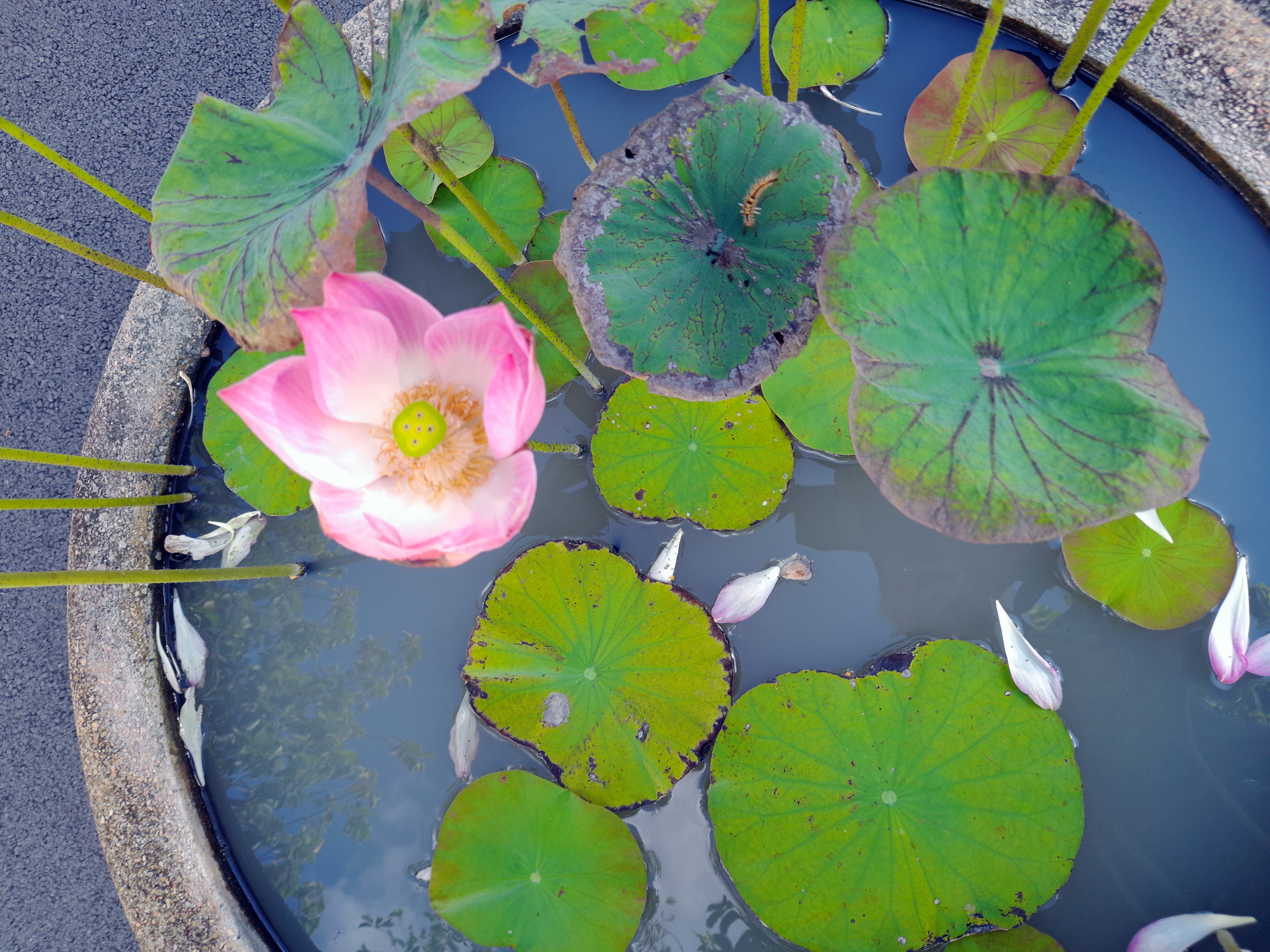
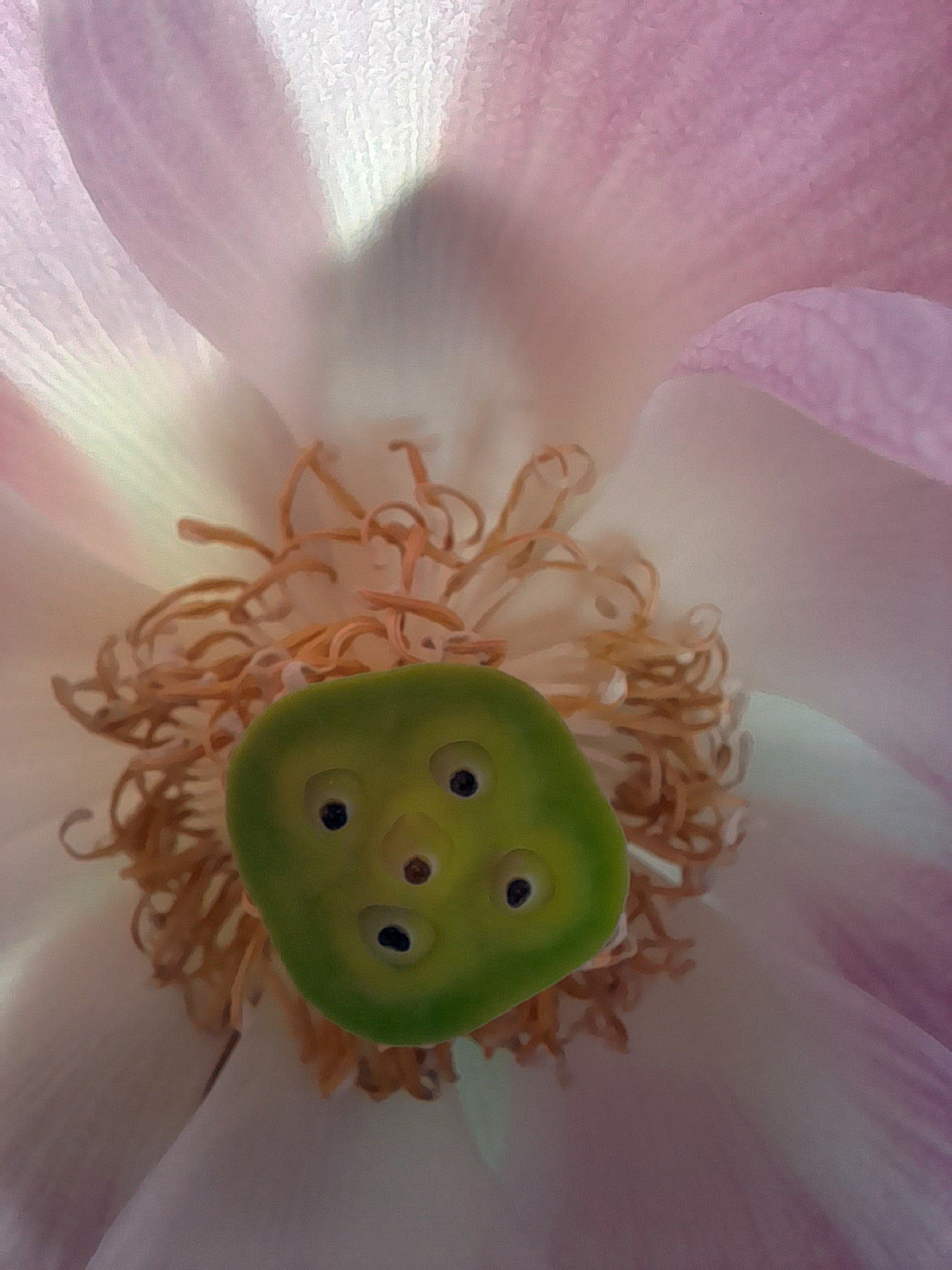
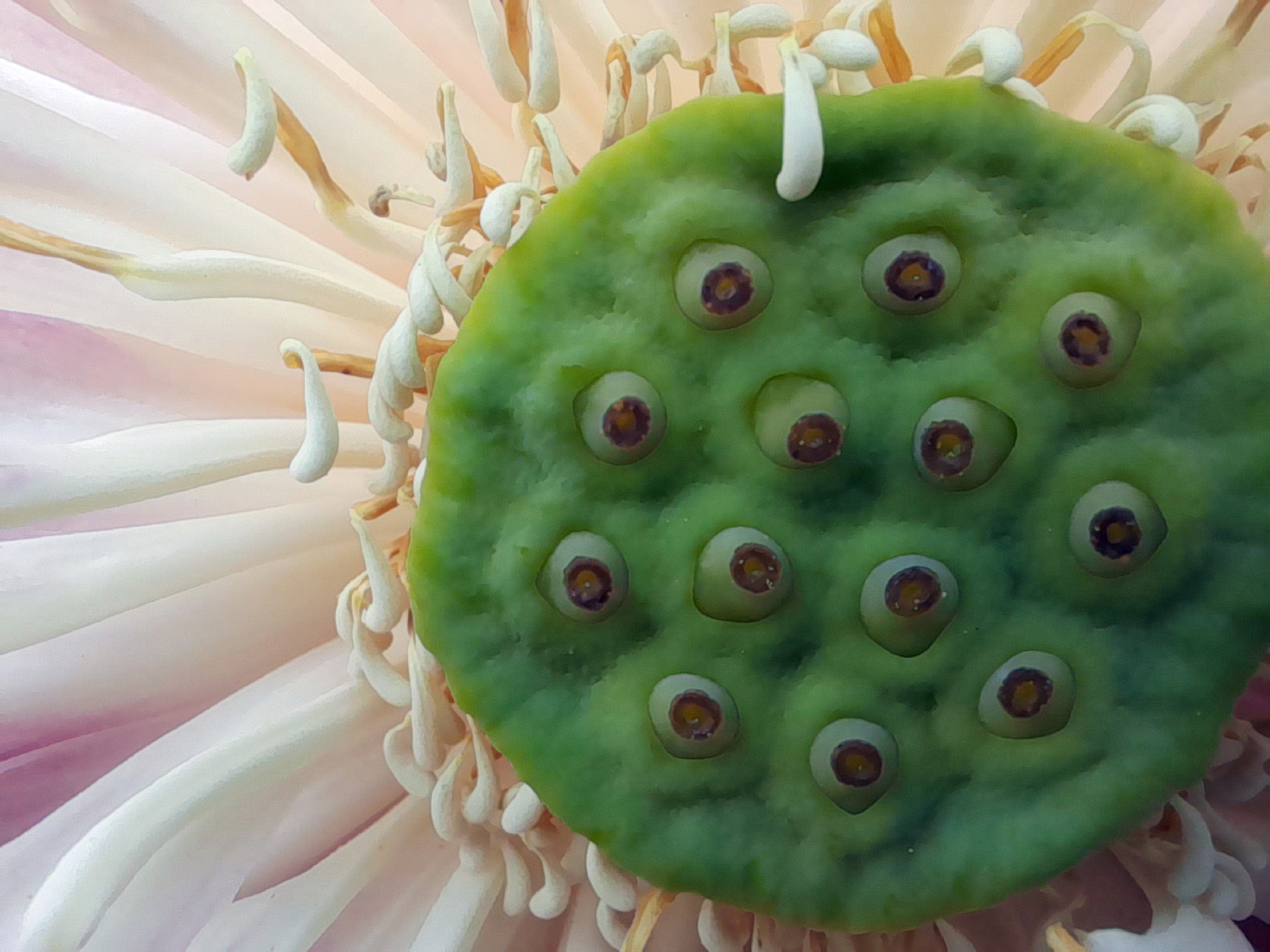
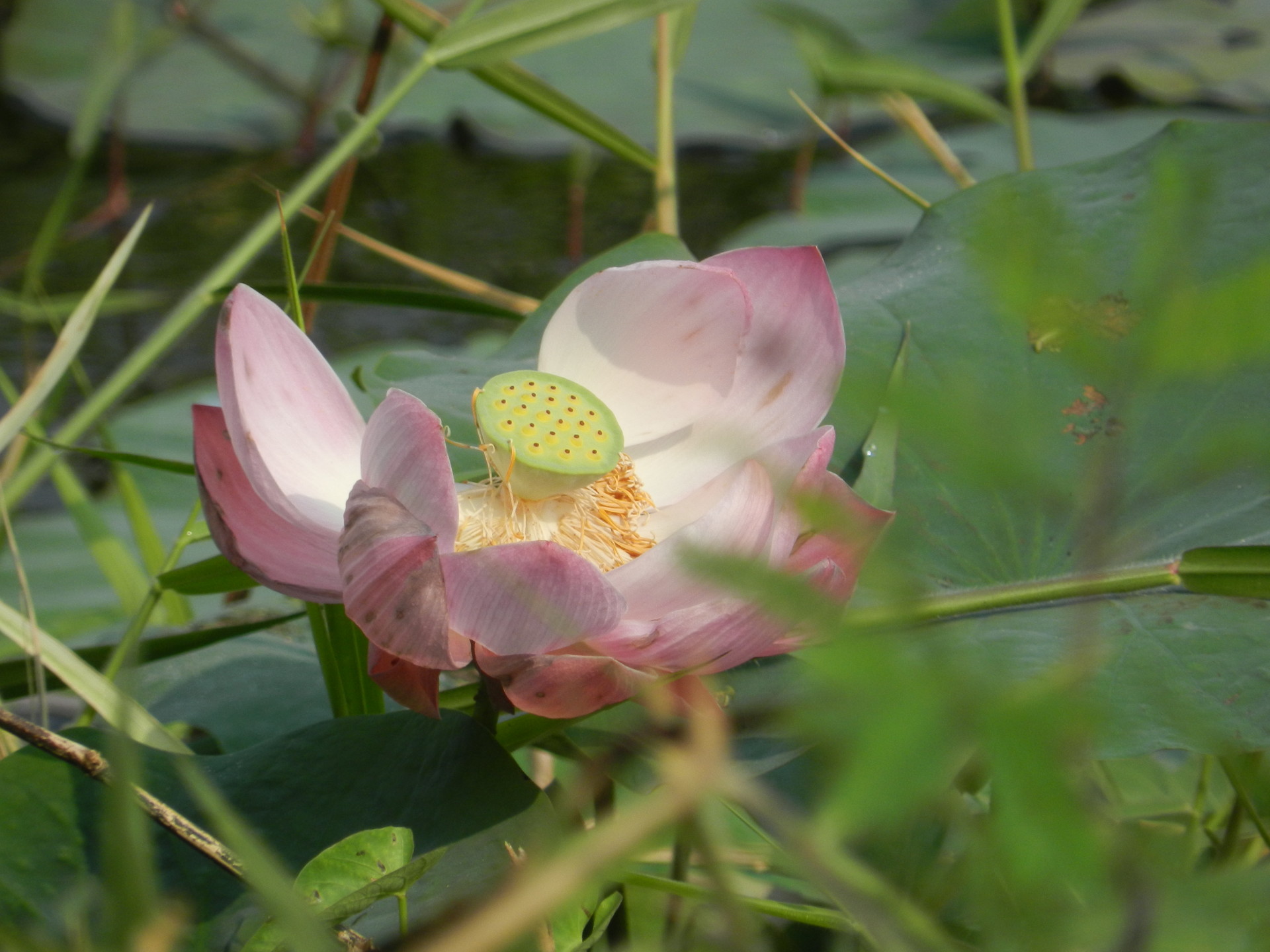
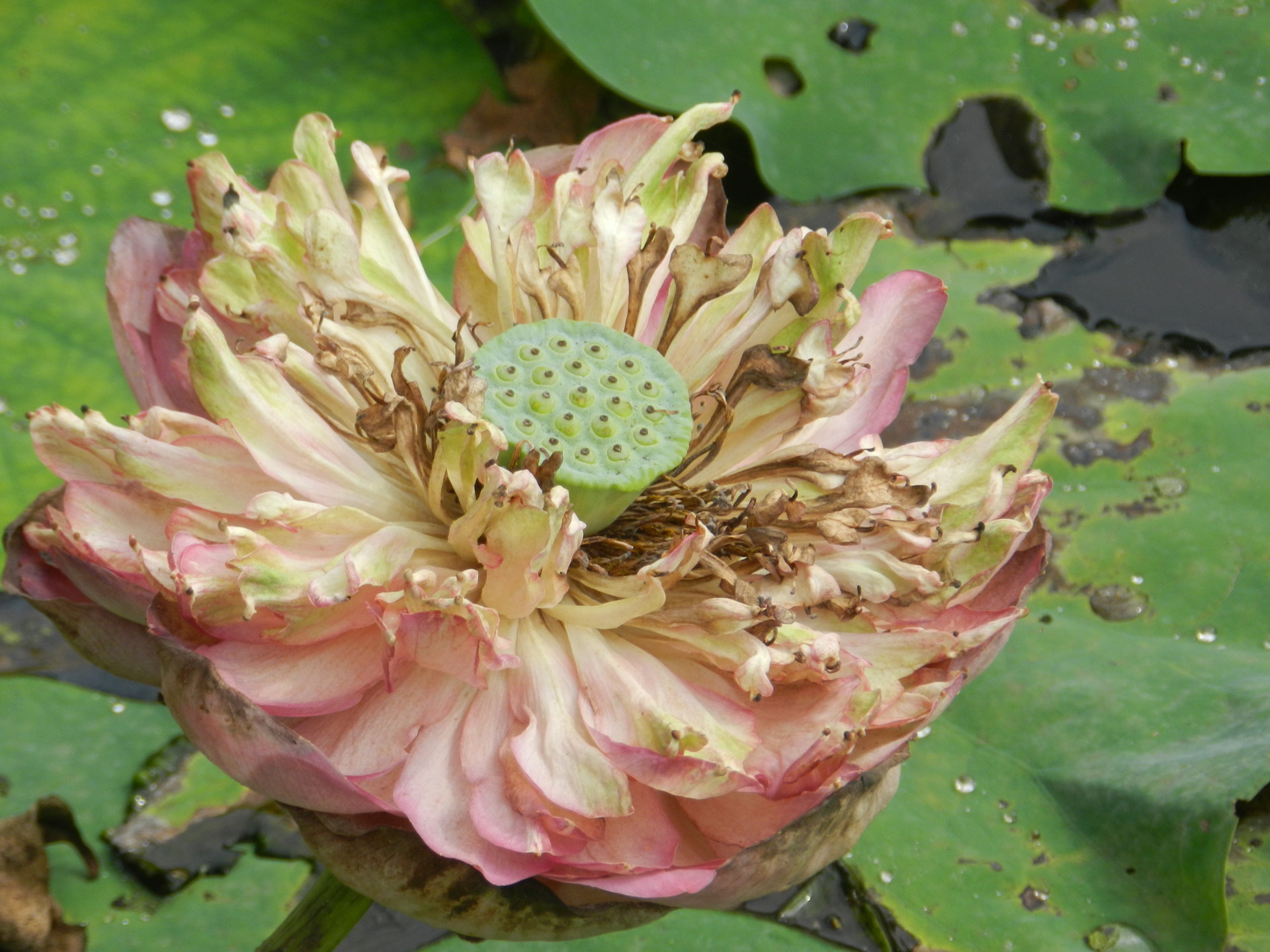
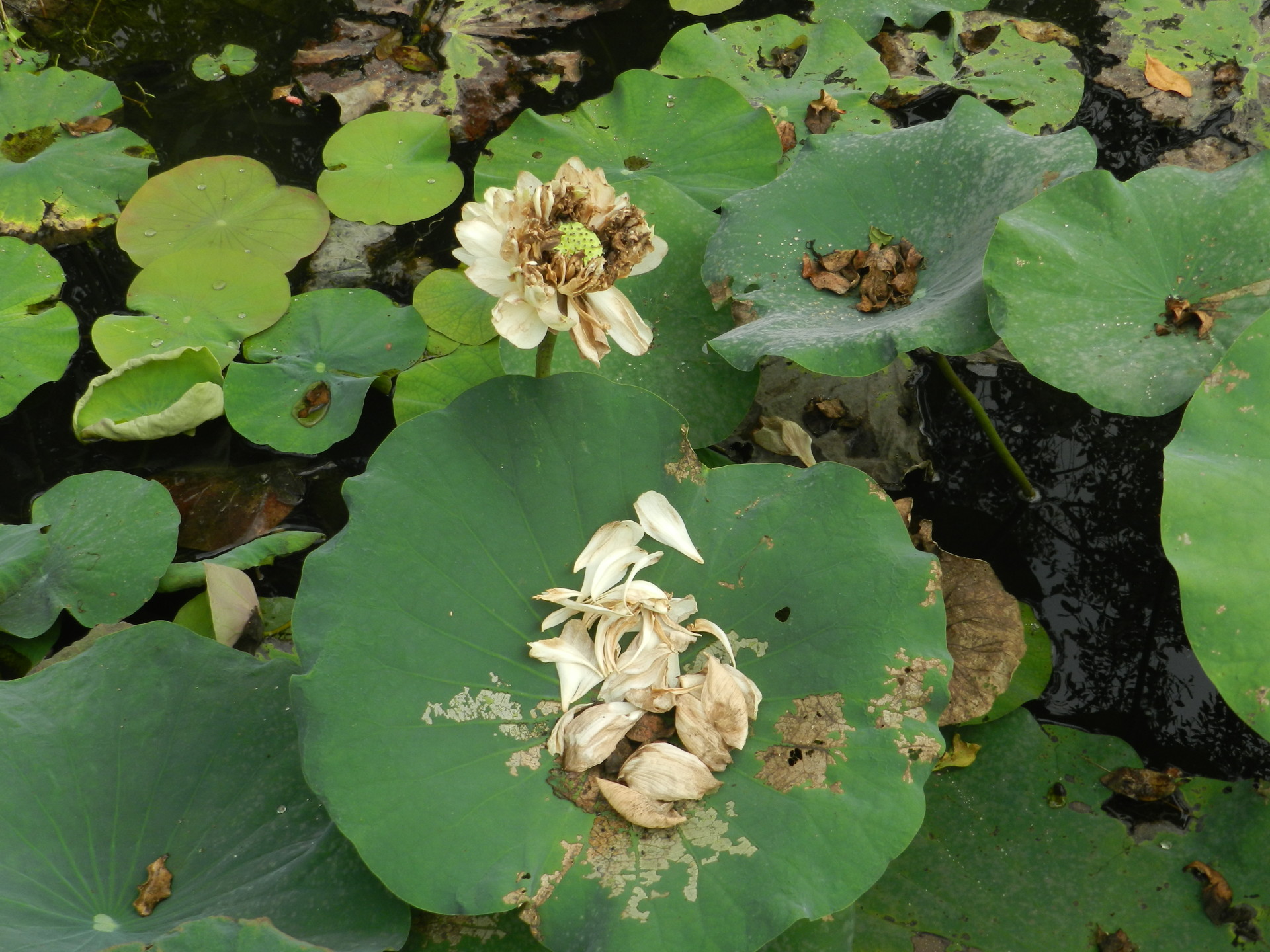
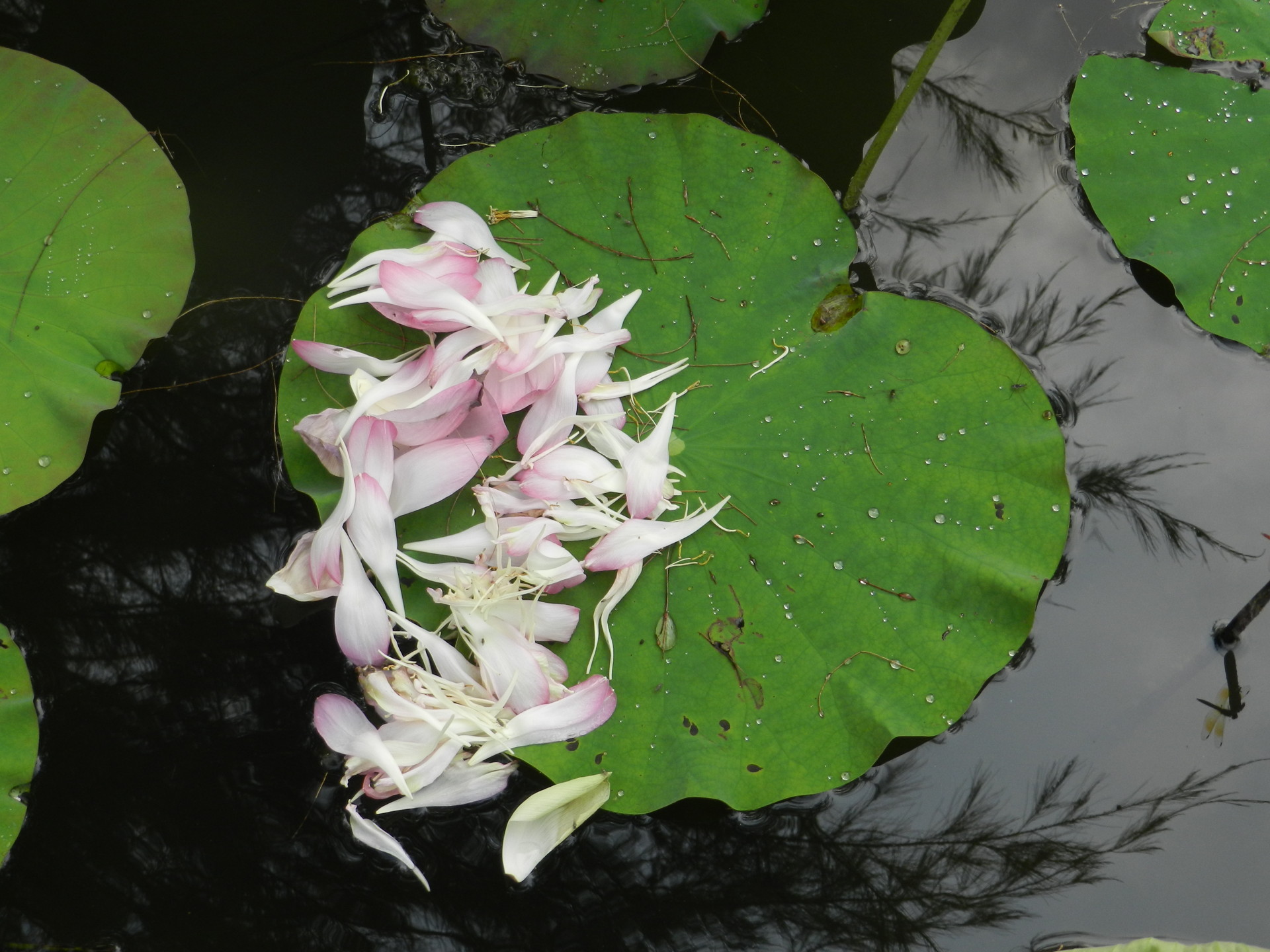
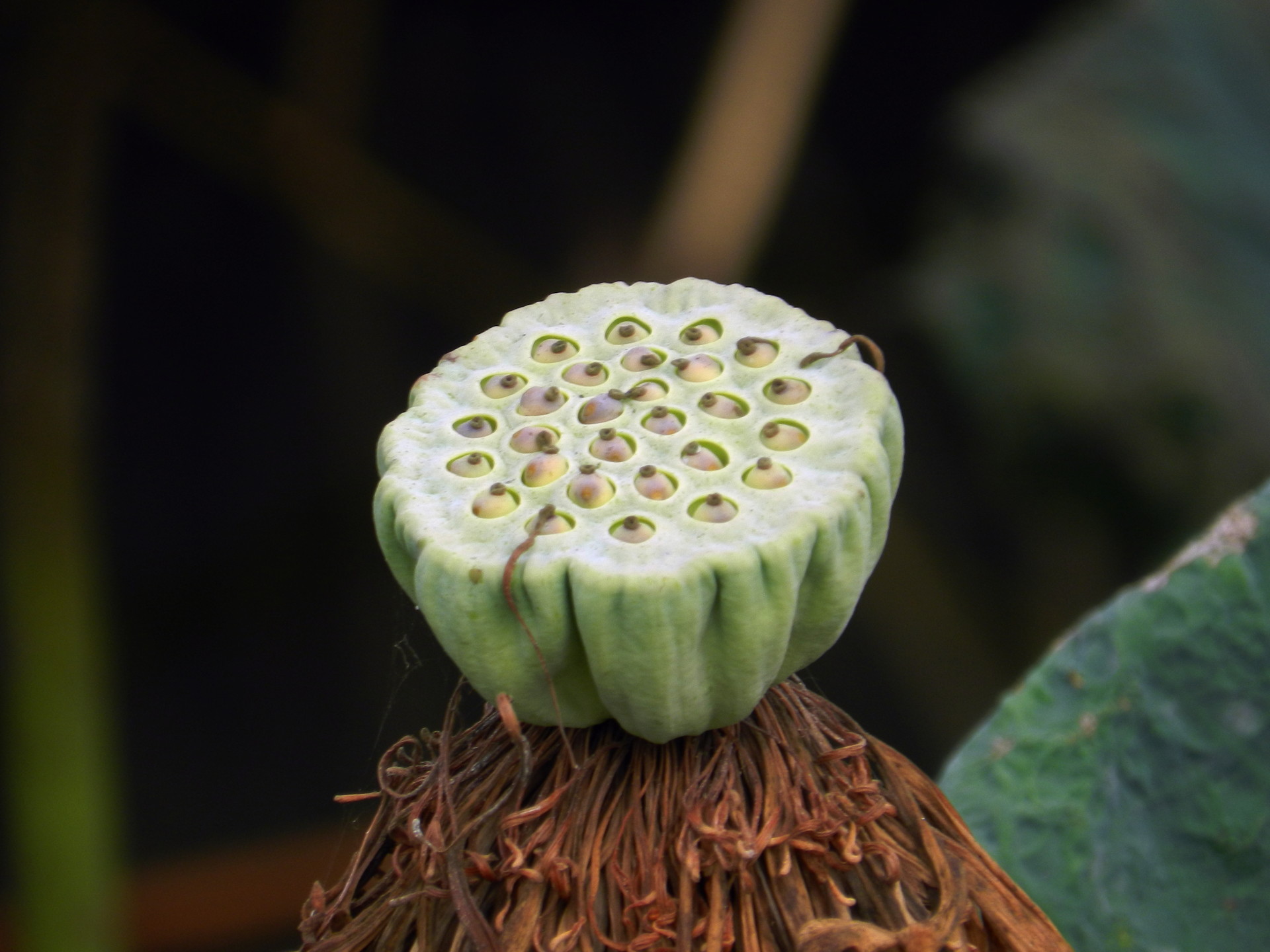
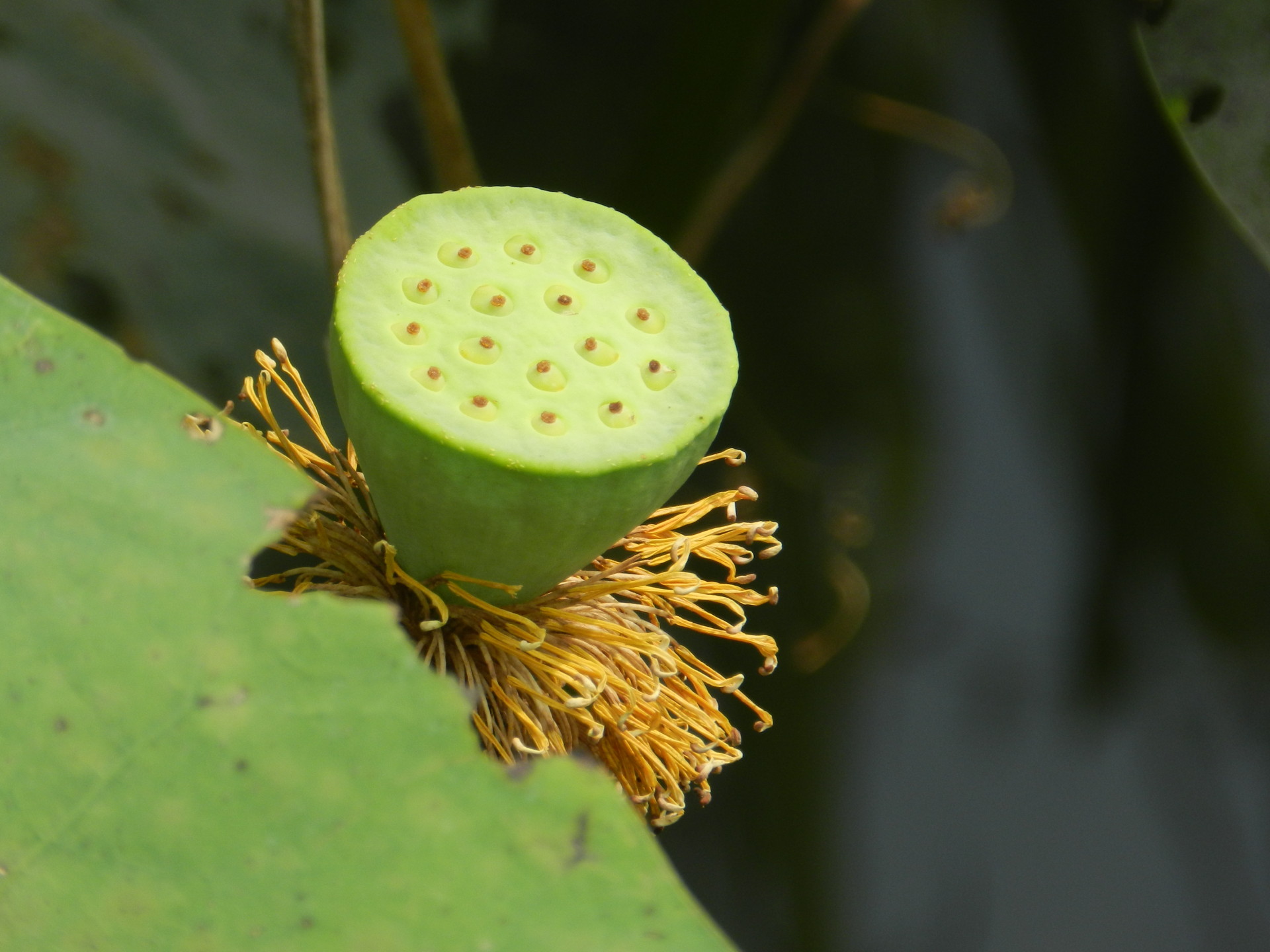
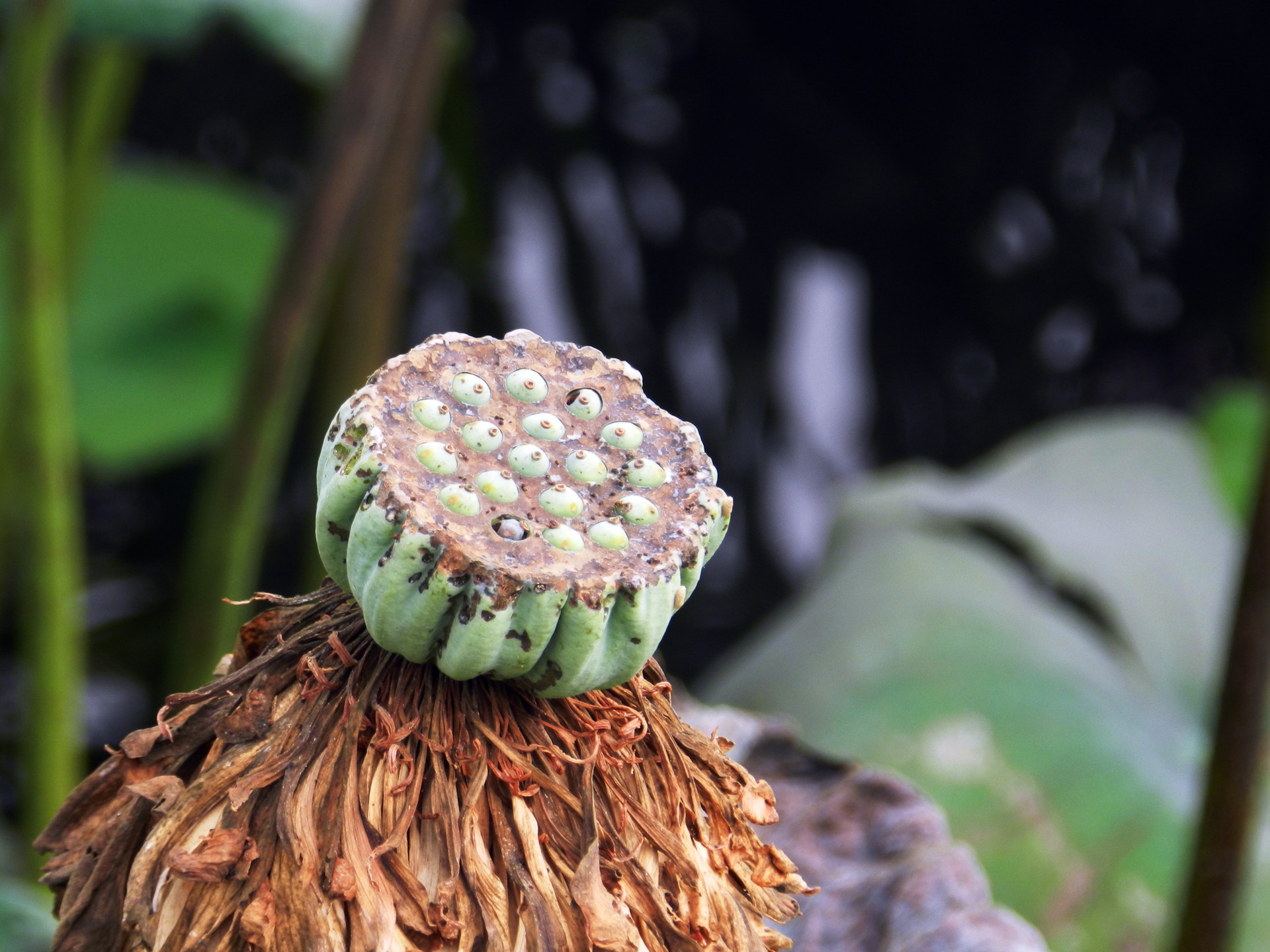
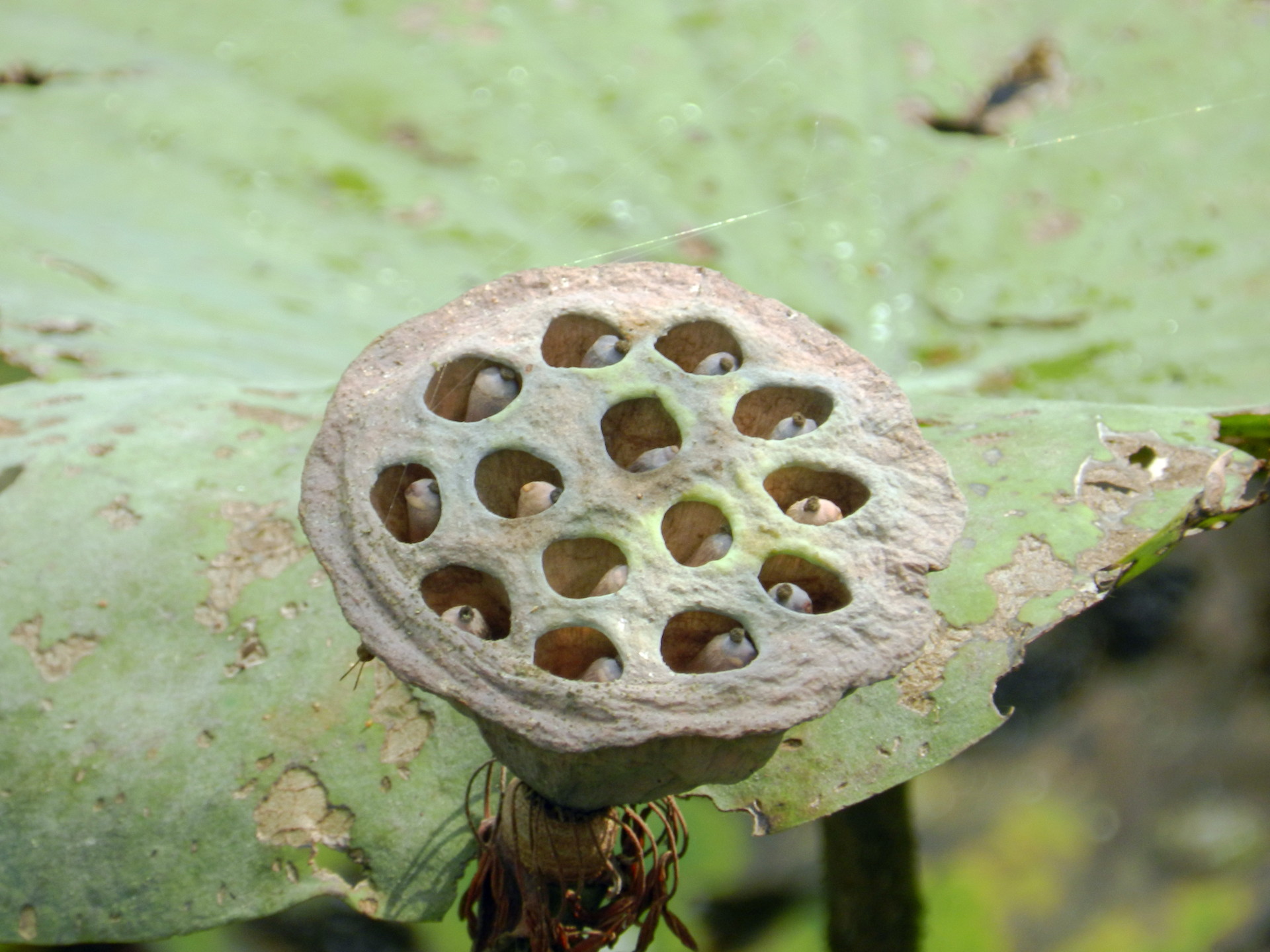
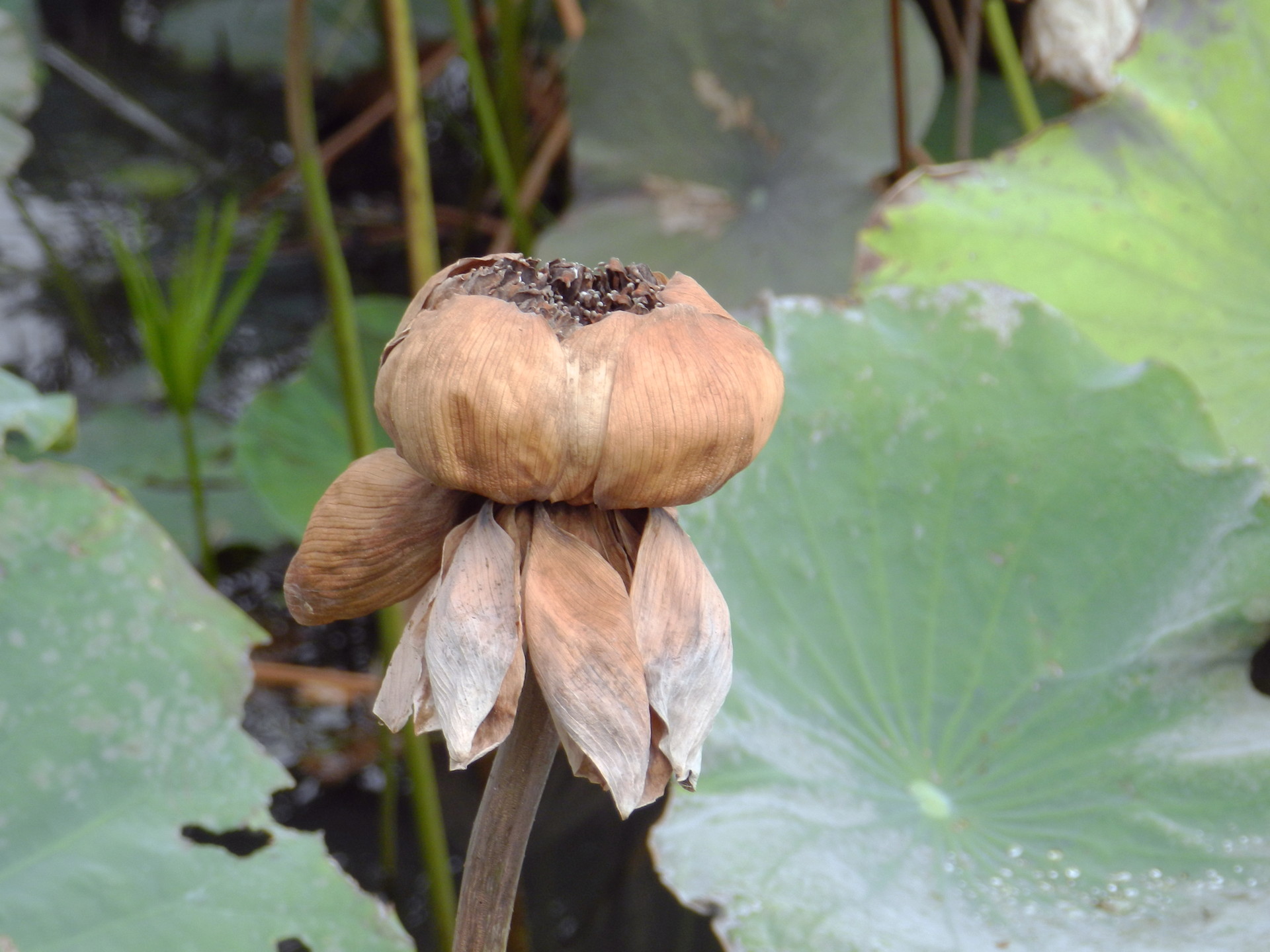
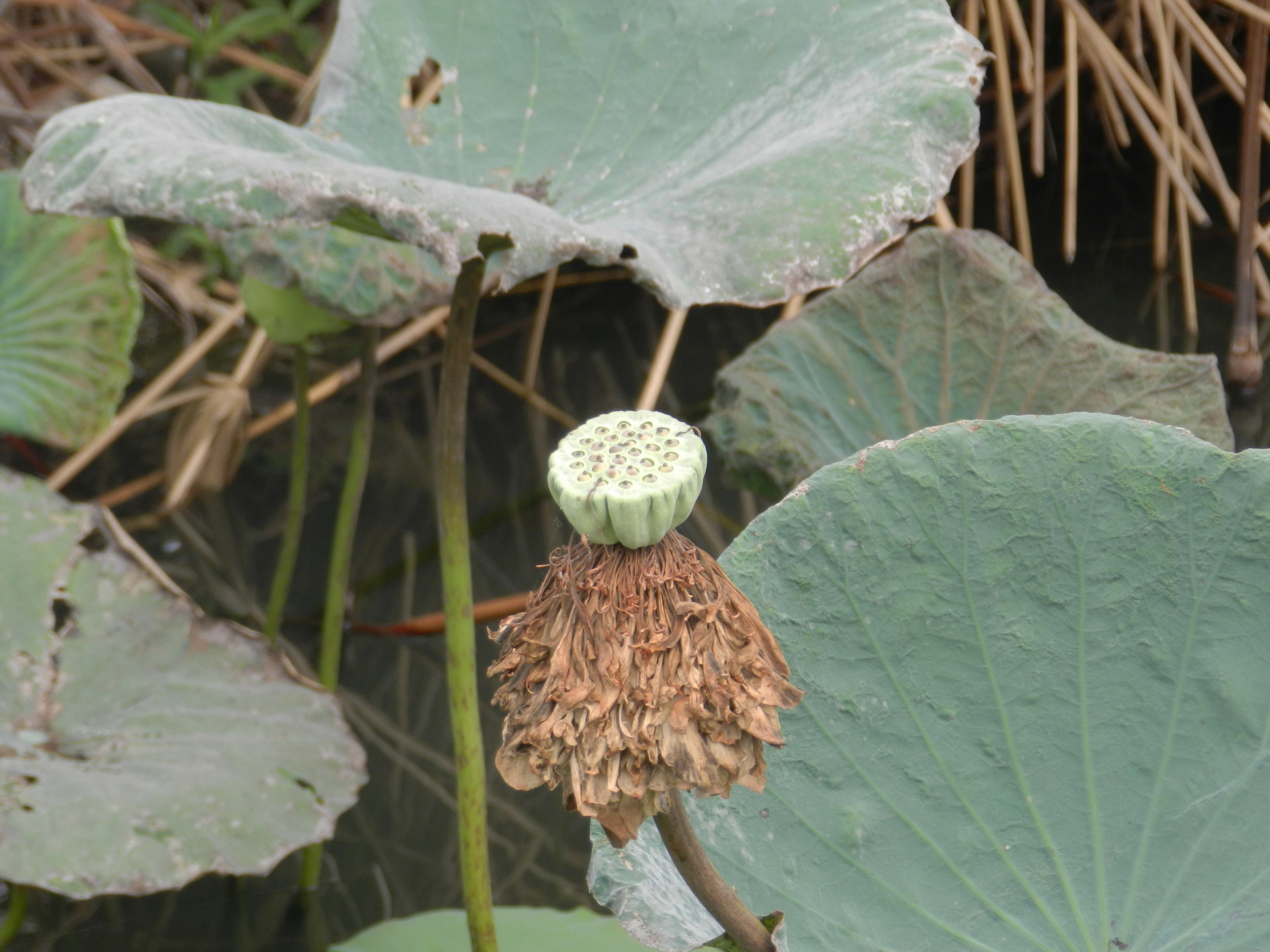
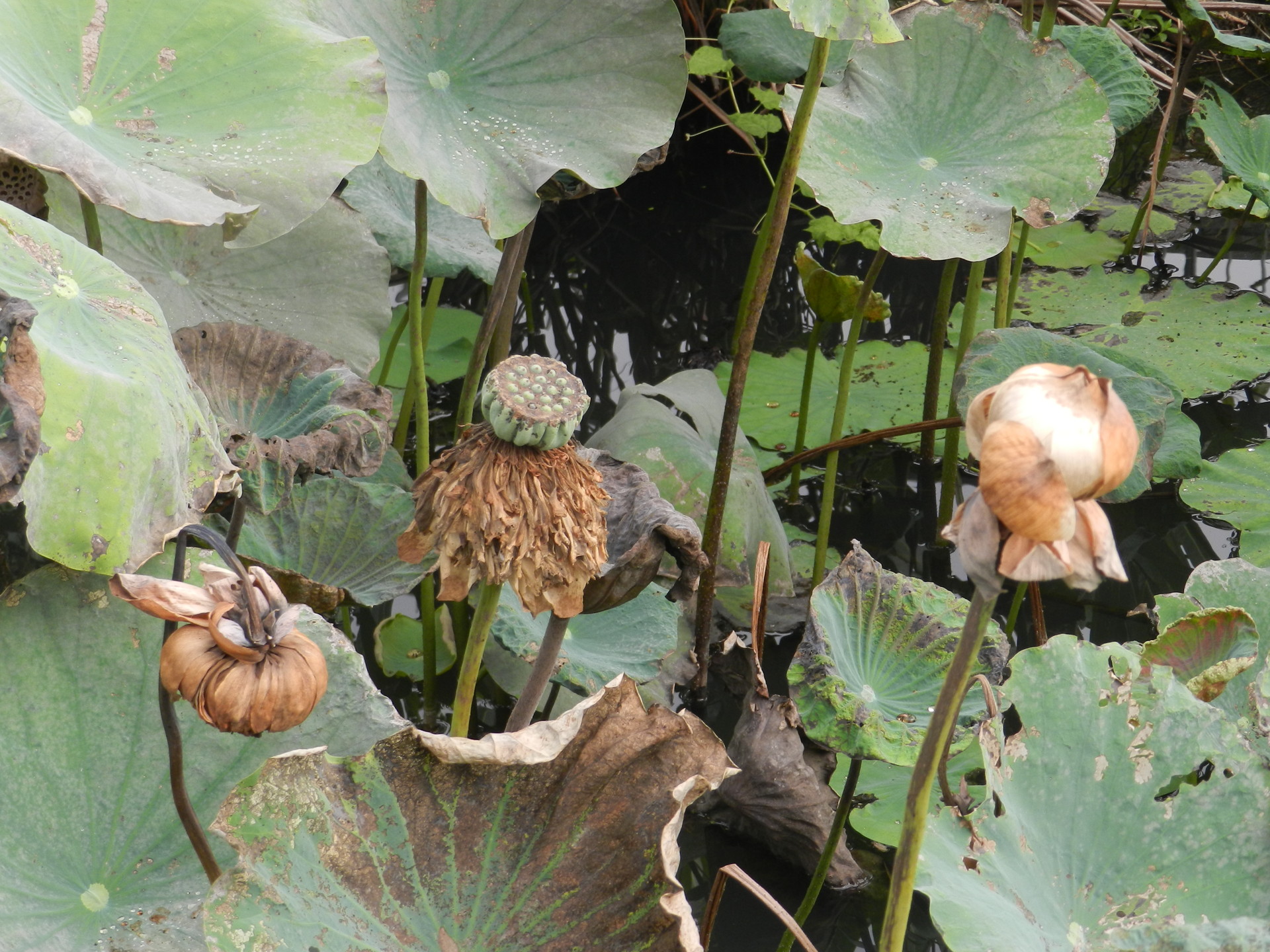
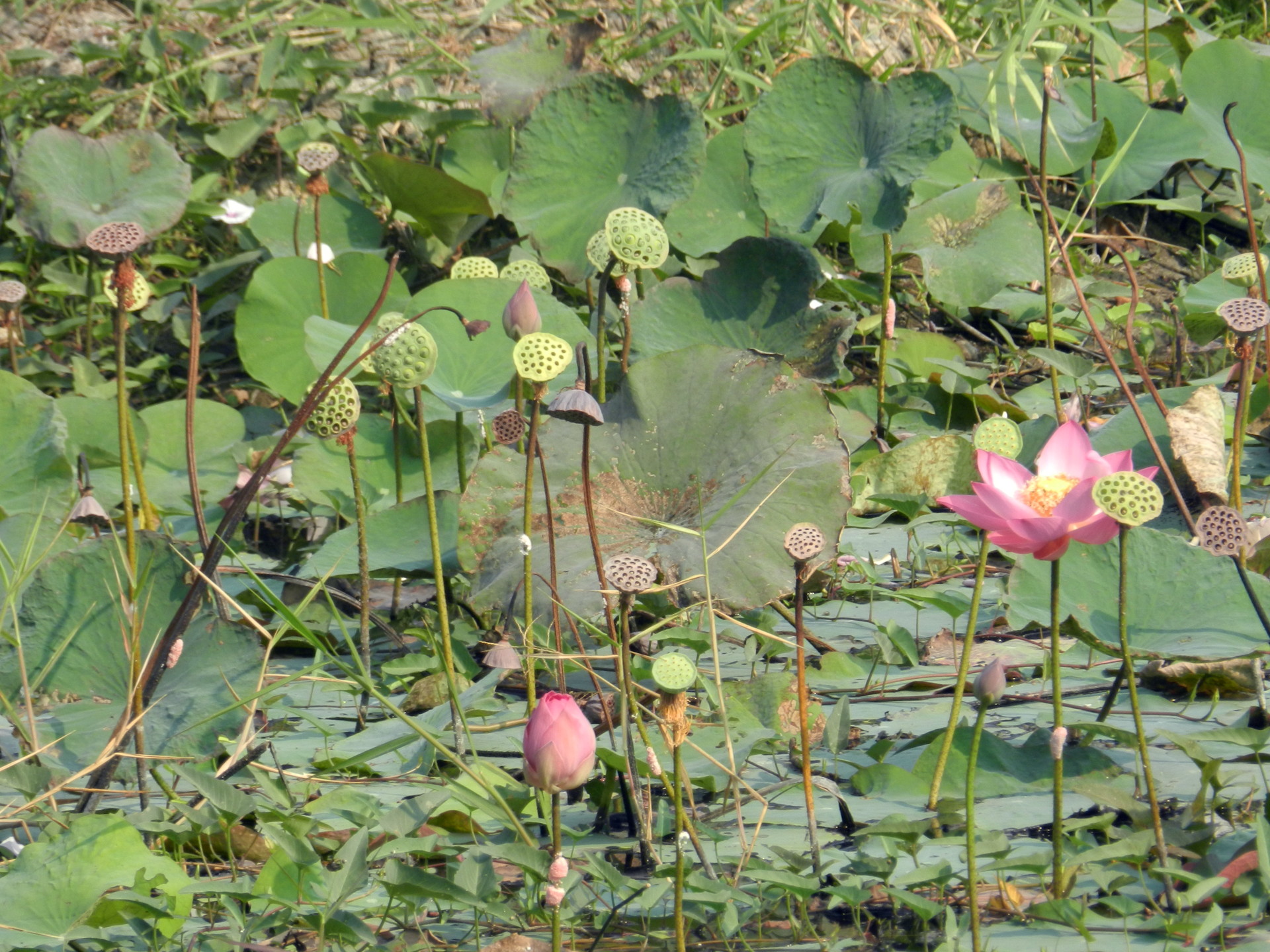
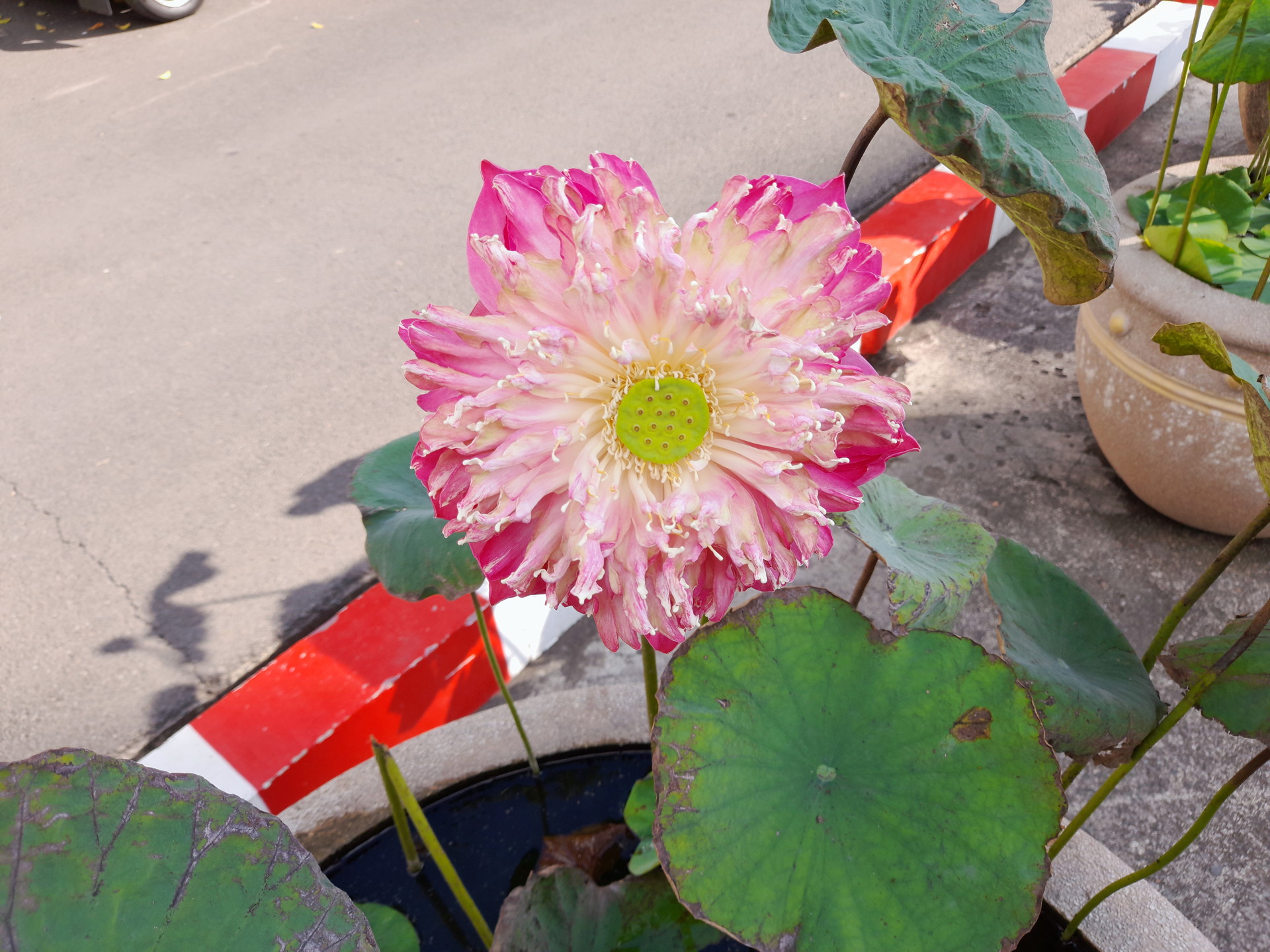
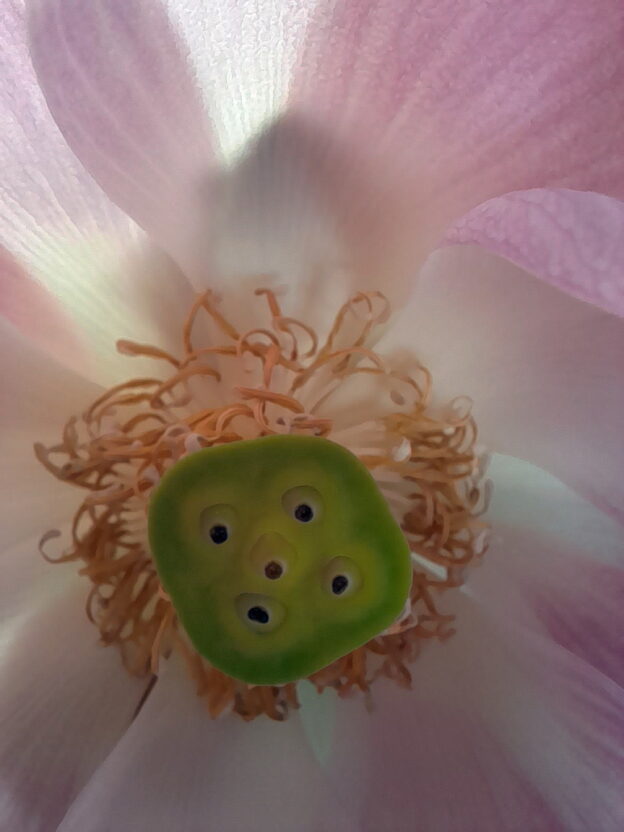
Stylized images of the lotus and images of the wheel of law, both round, are used throughout Buddhist art. Graphically they are similar. For me, the lifecycle of the plant is a plain representation of samsara (that I also see it as linear brings to mind the competition of frameworks as I travel). Seed – sprout – growth – flowering – going to seed – dying or drying up, sprouting again .
That most parts of the plant appear in Thai cuisine just aides its integration into the culture. The root is used in drinks, soups and other foods. The stems are used in “curries” as well as other dishes. It seems most common in orange curry. The petals are used as the wrapper for Miang Kham (often served to royalty). The leaves are sometimes used as wrappers for steaming things.
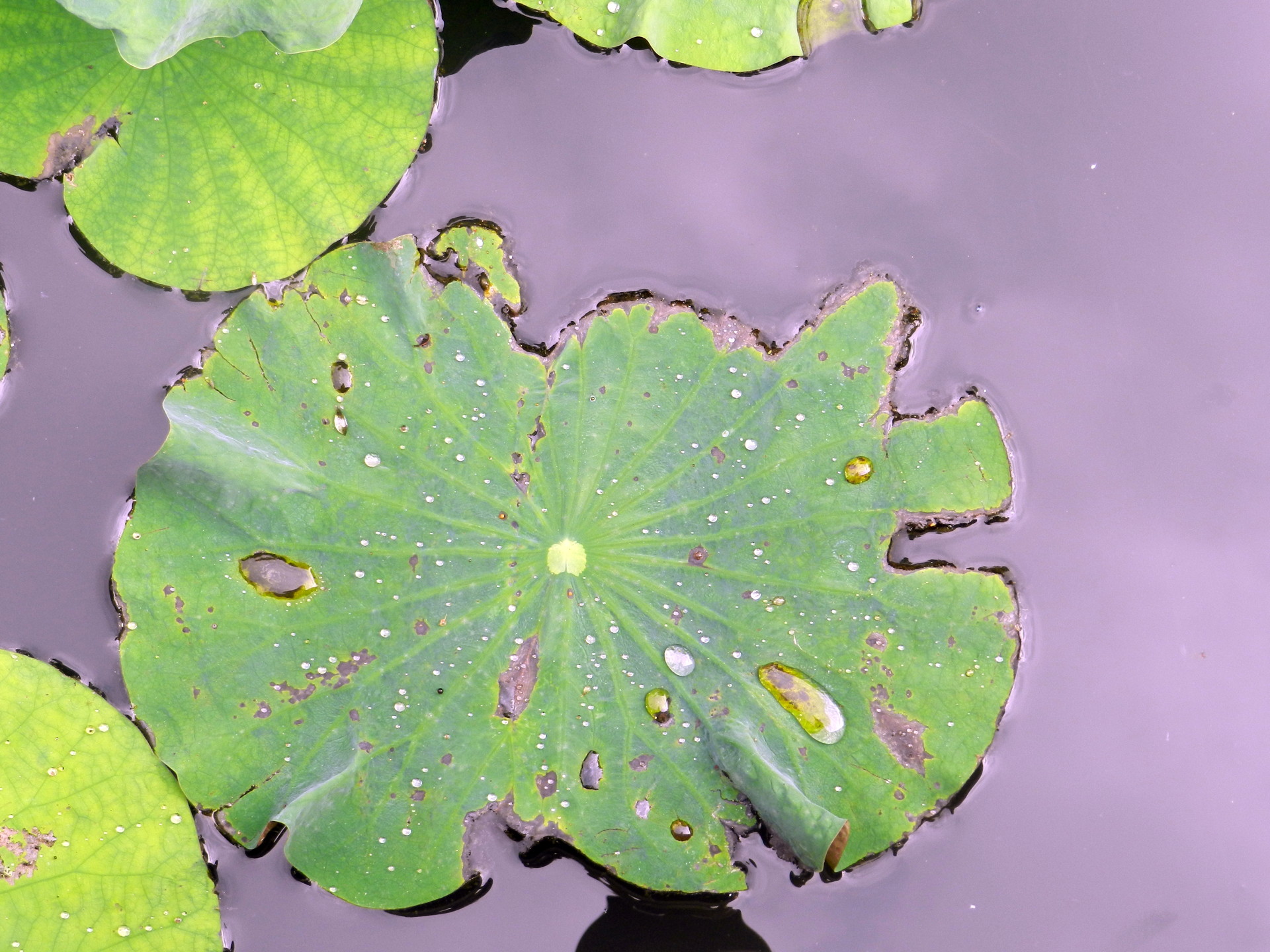
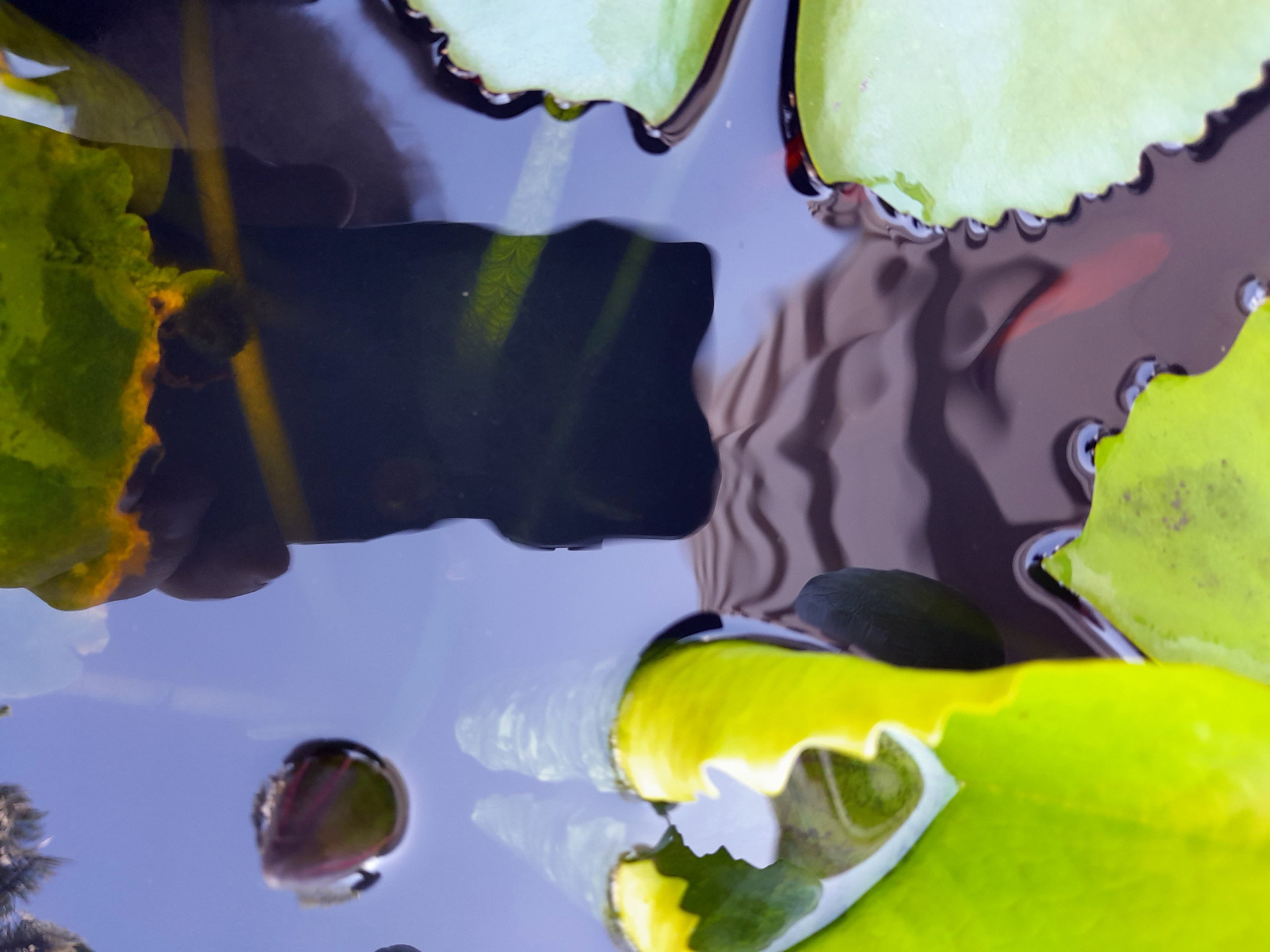
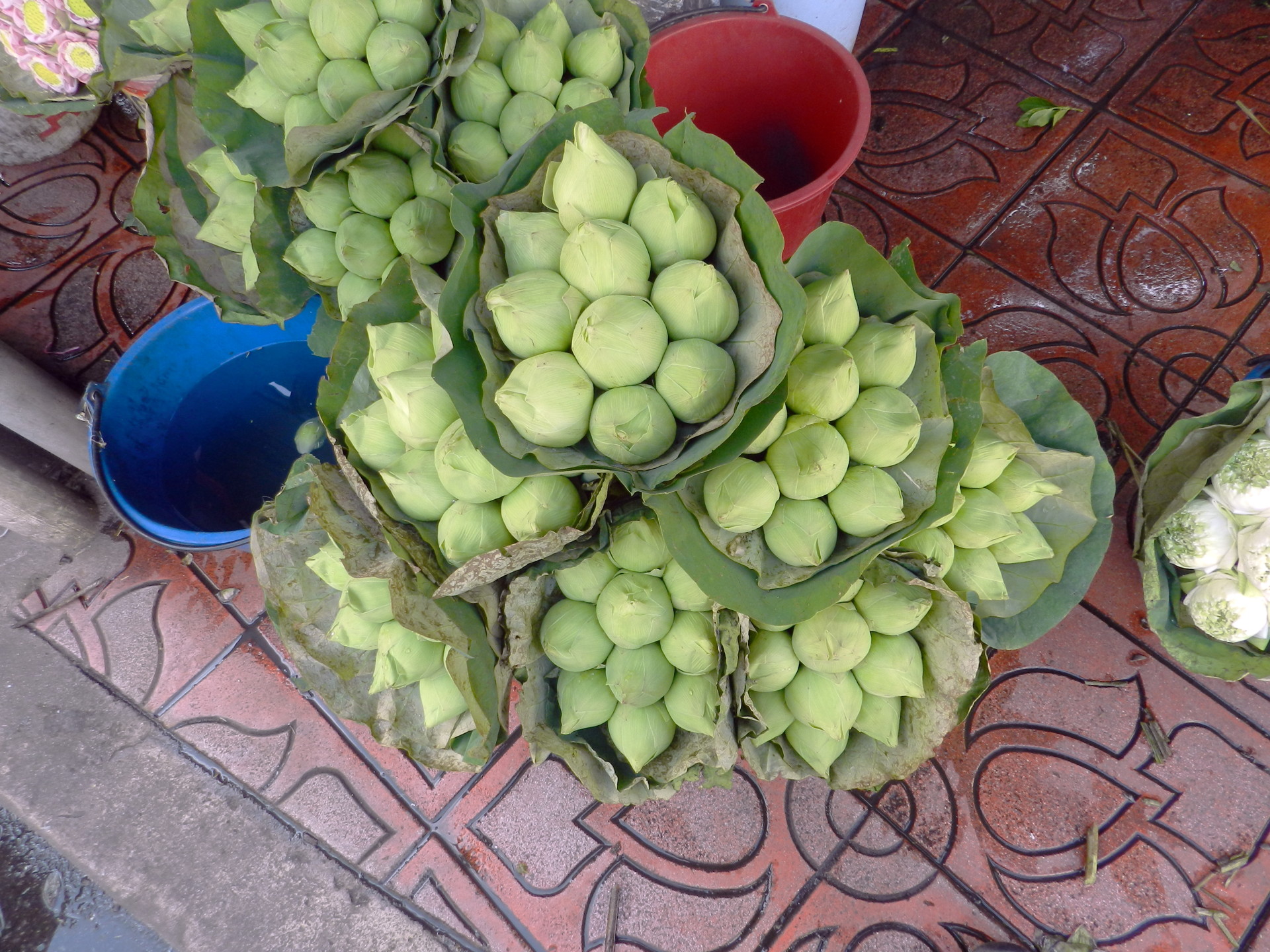
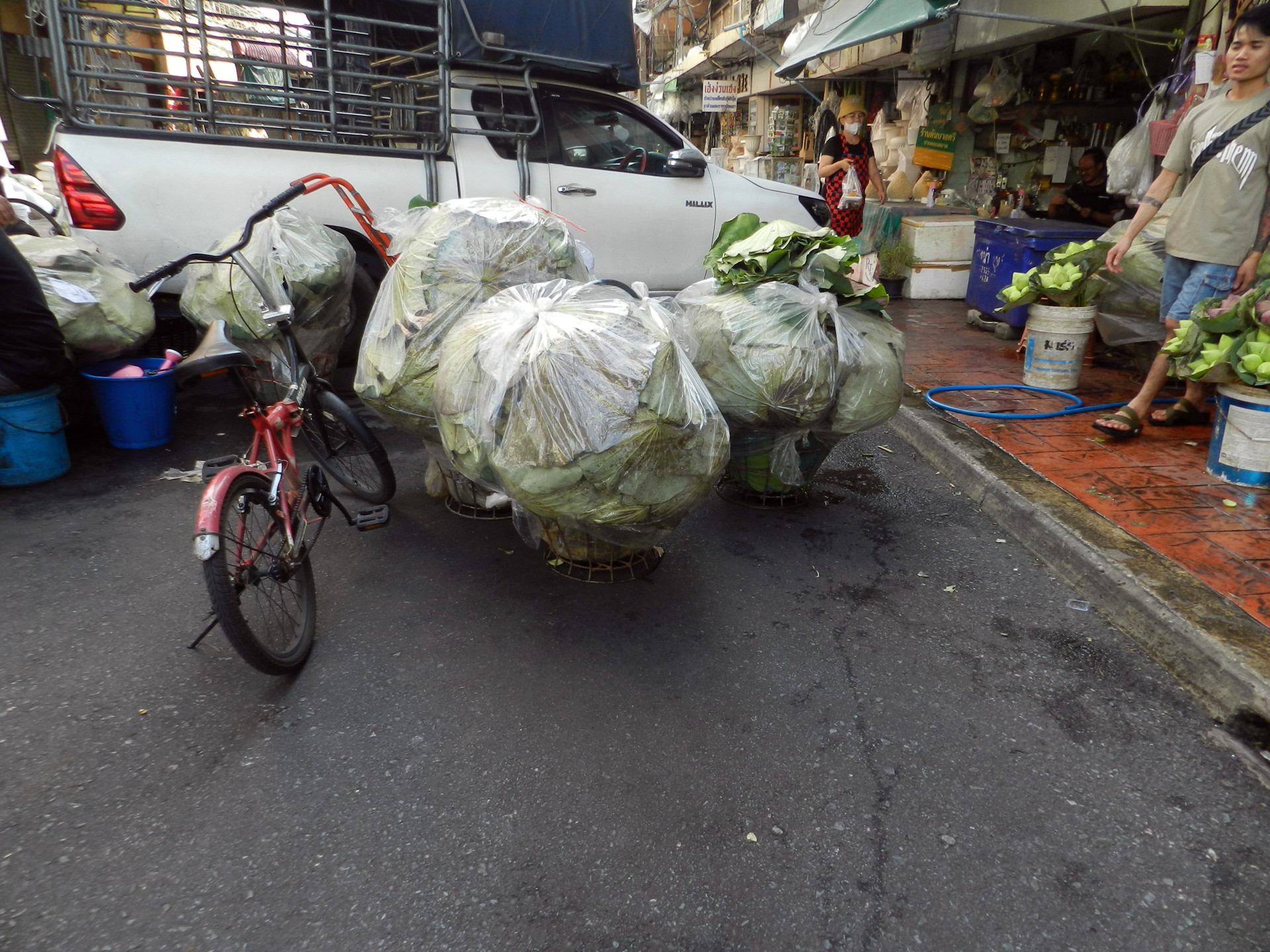
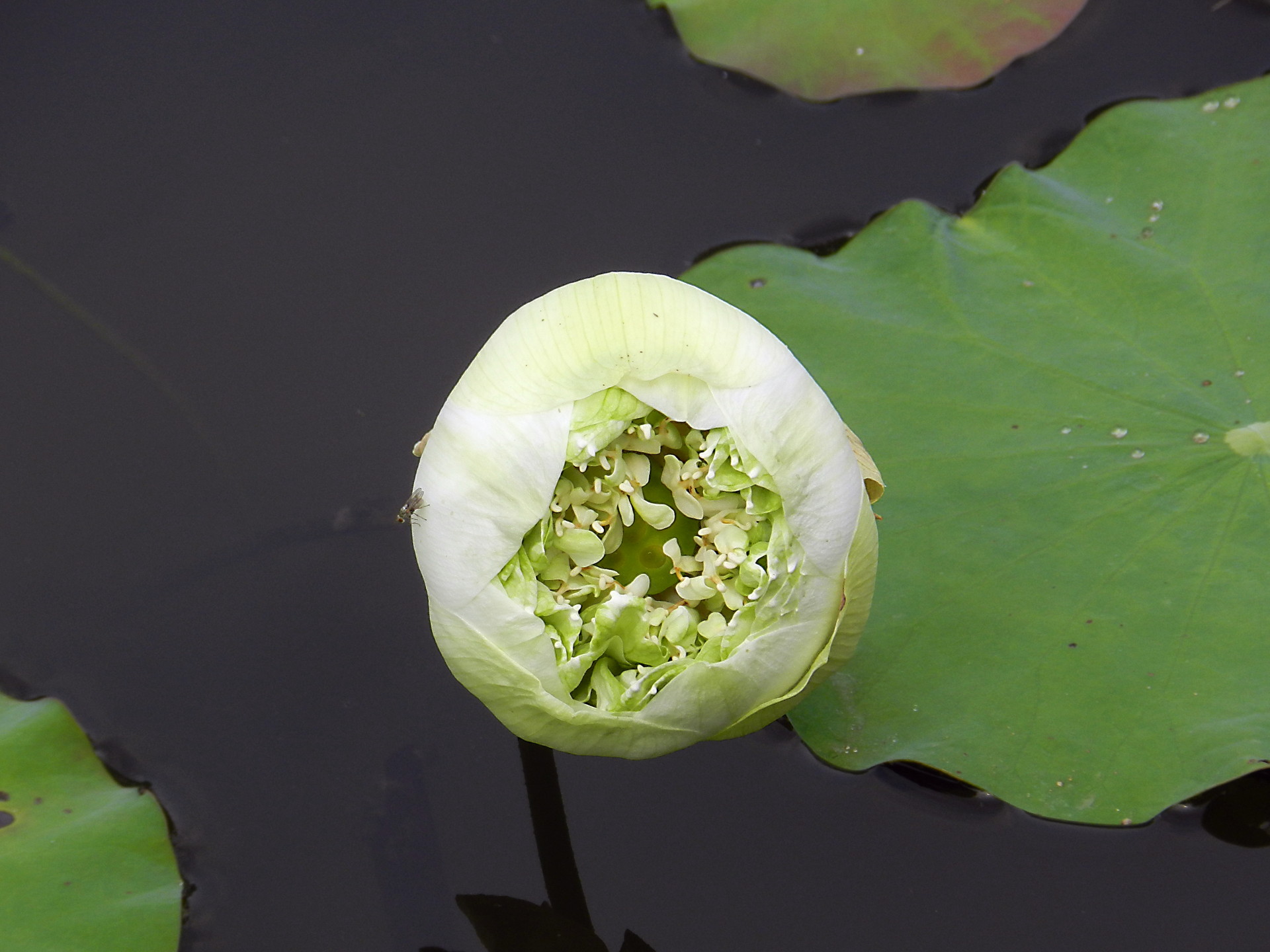
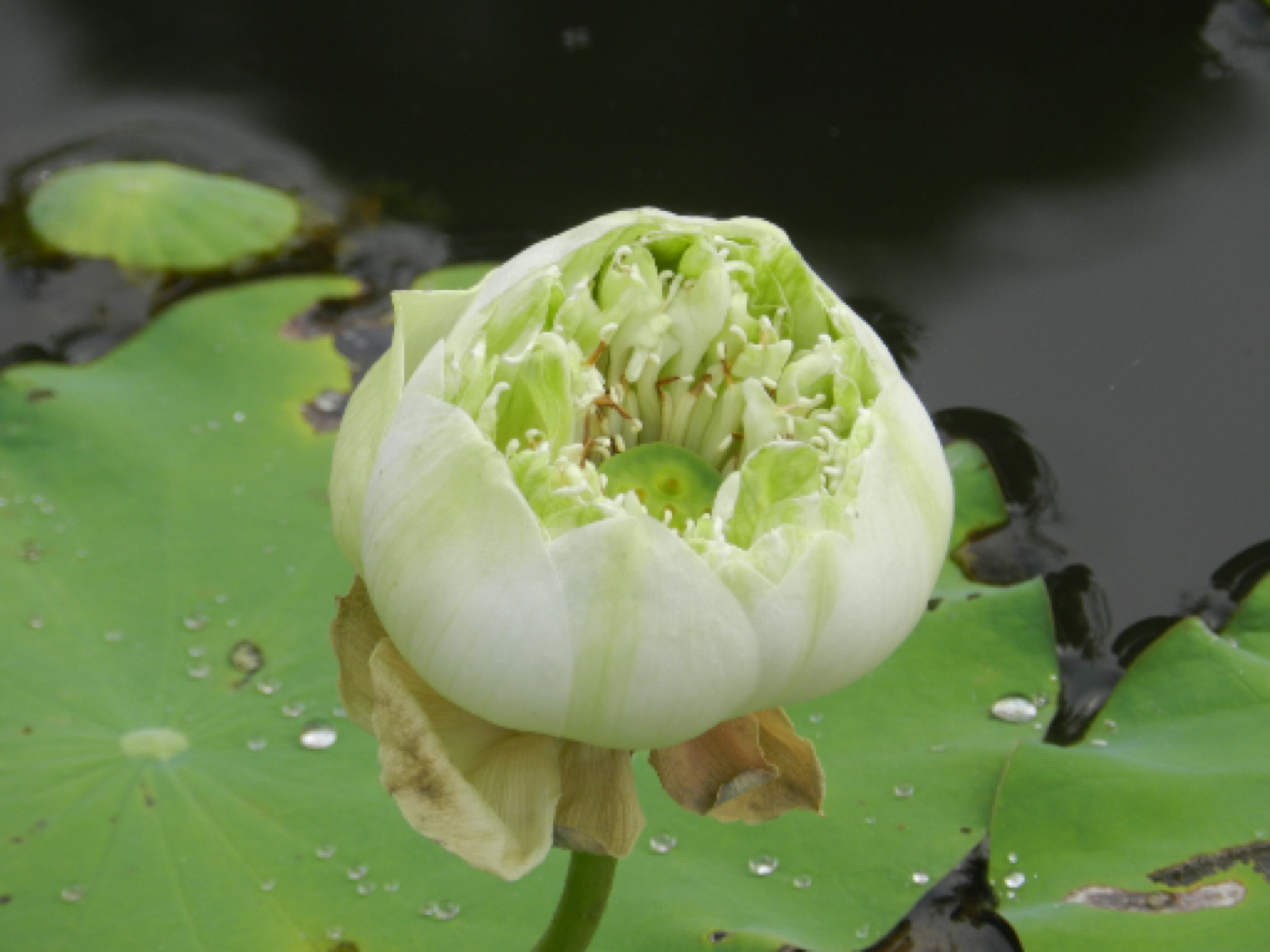
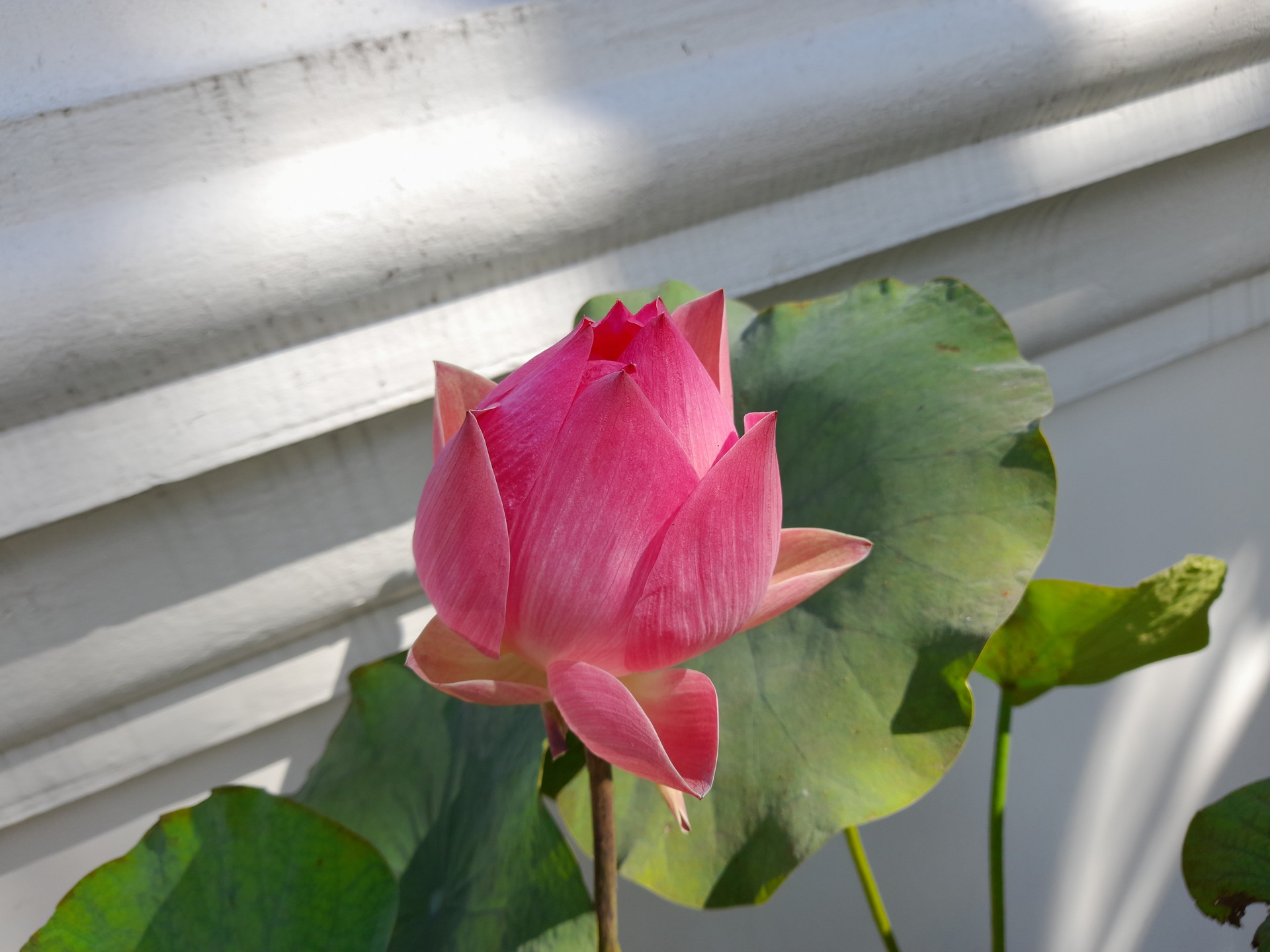
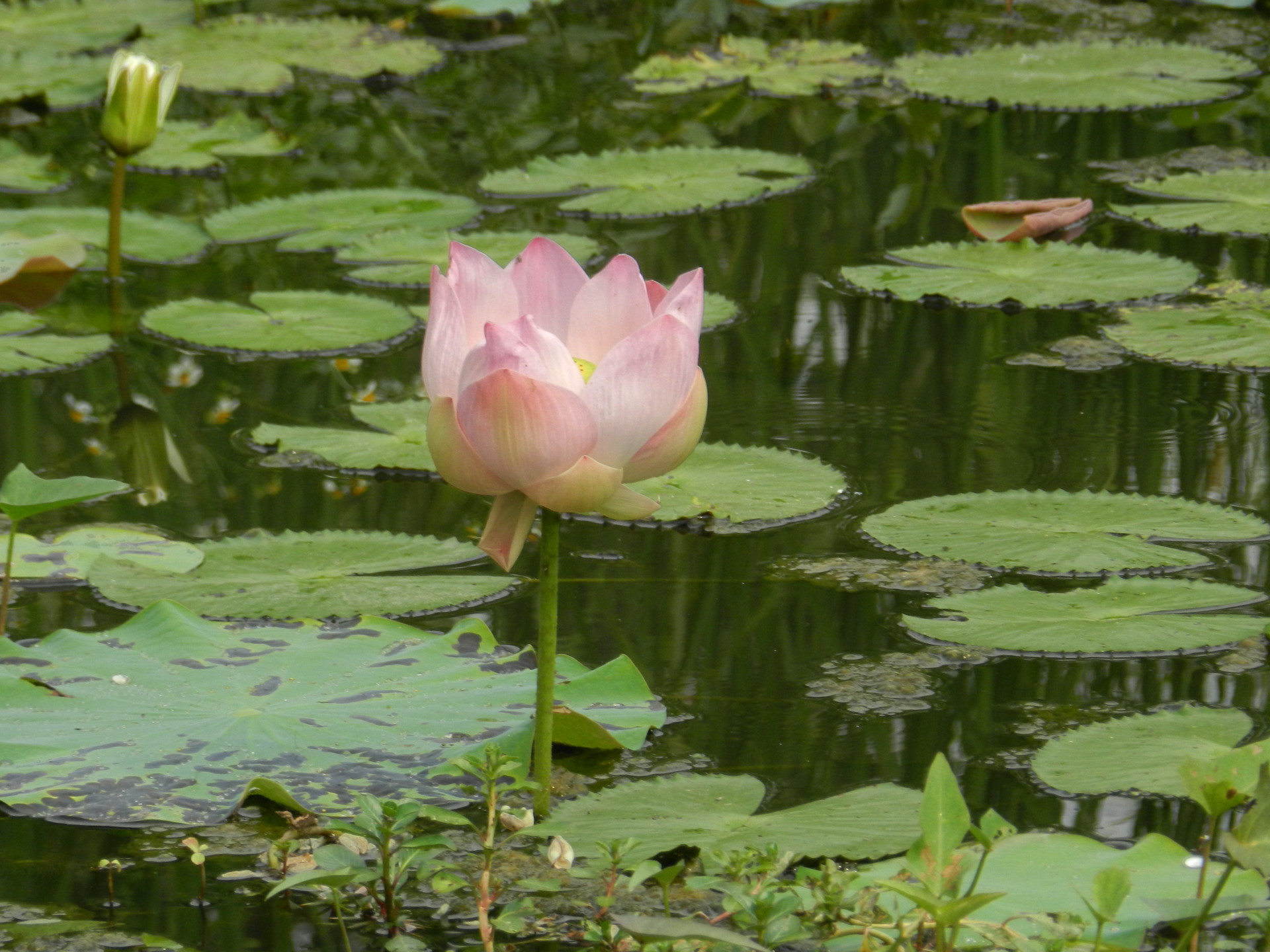
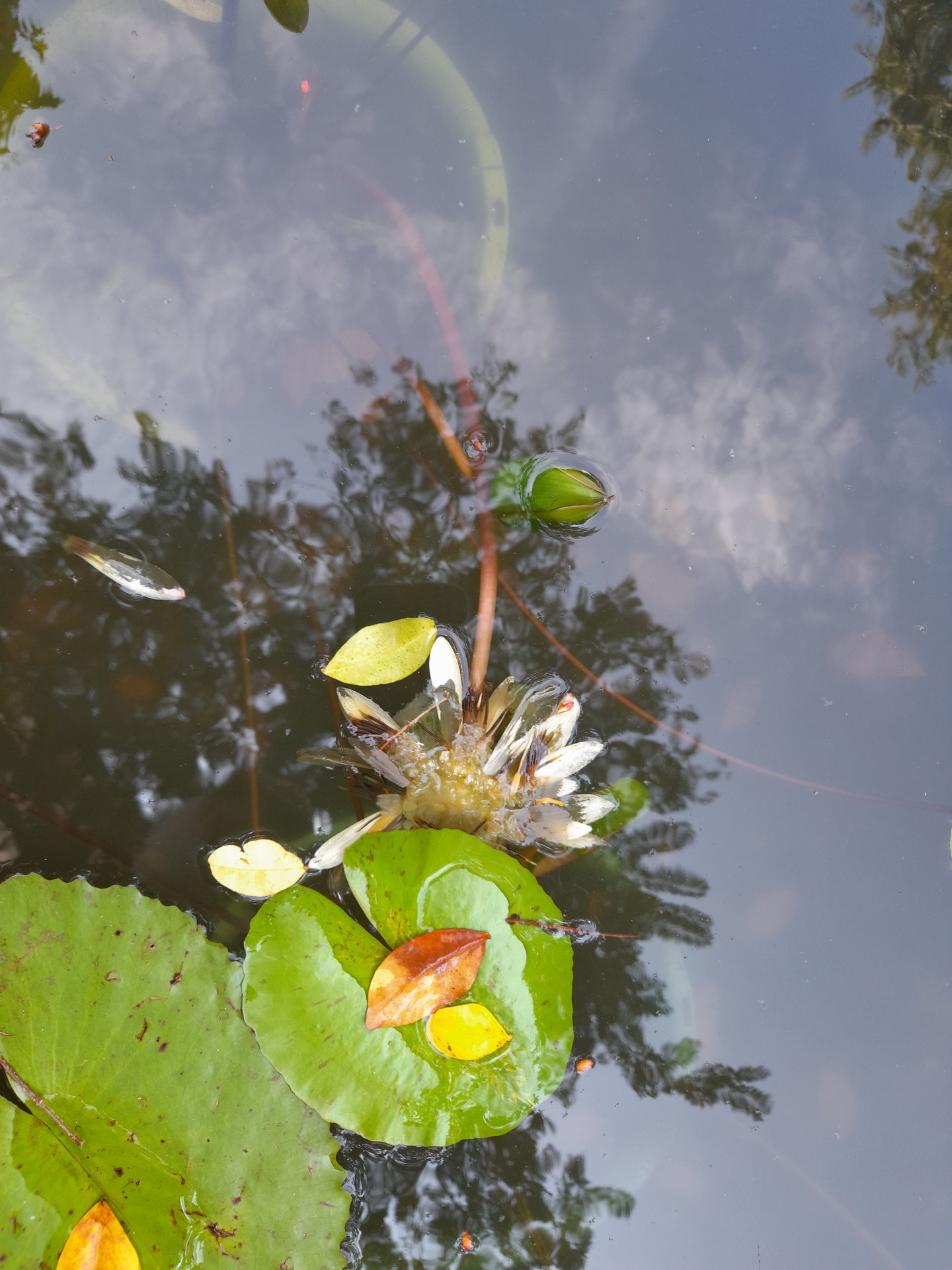
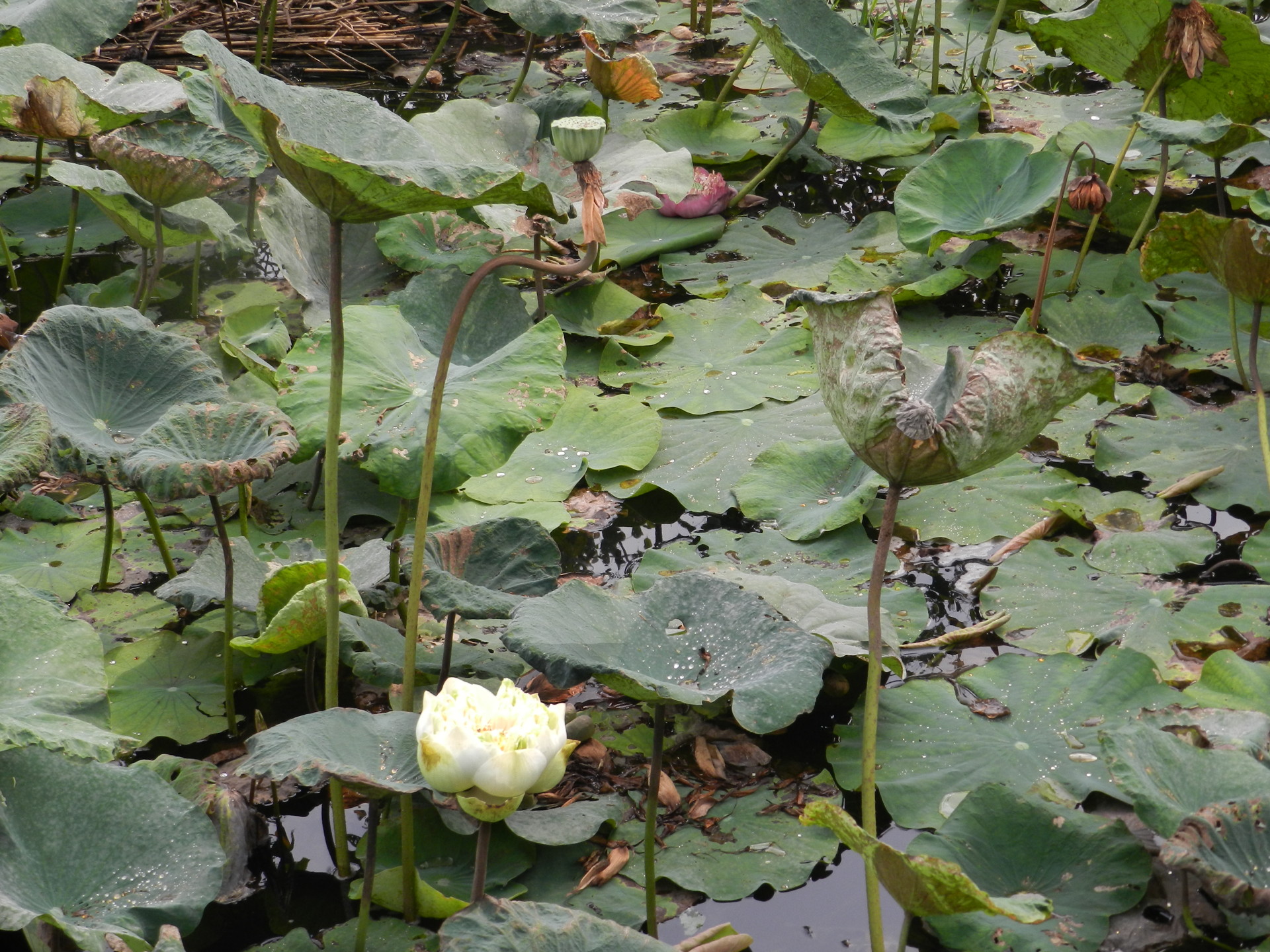
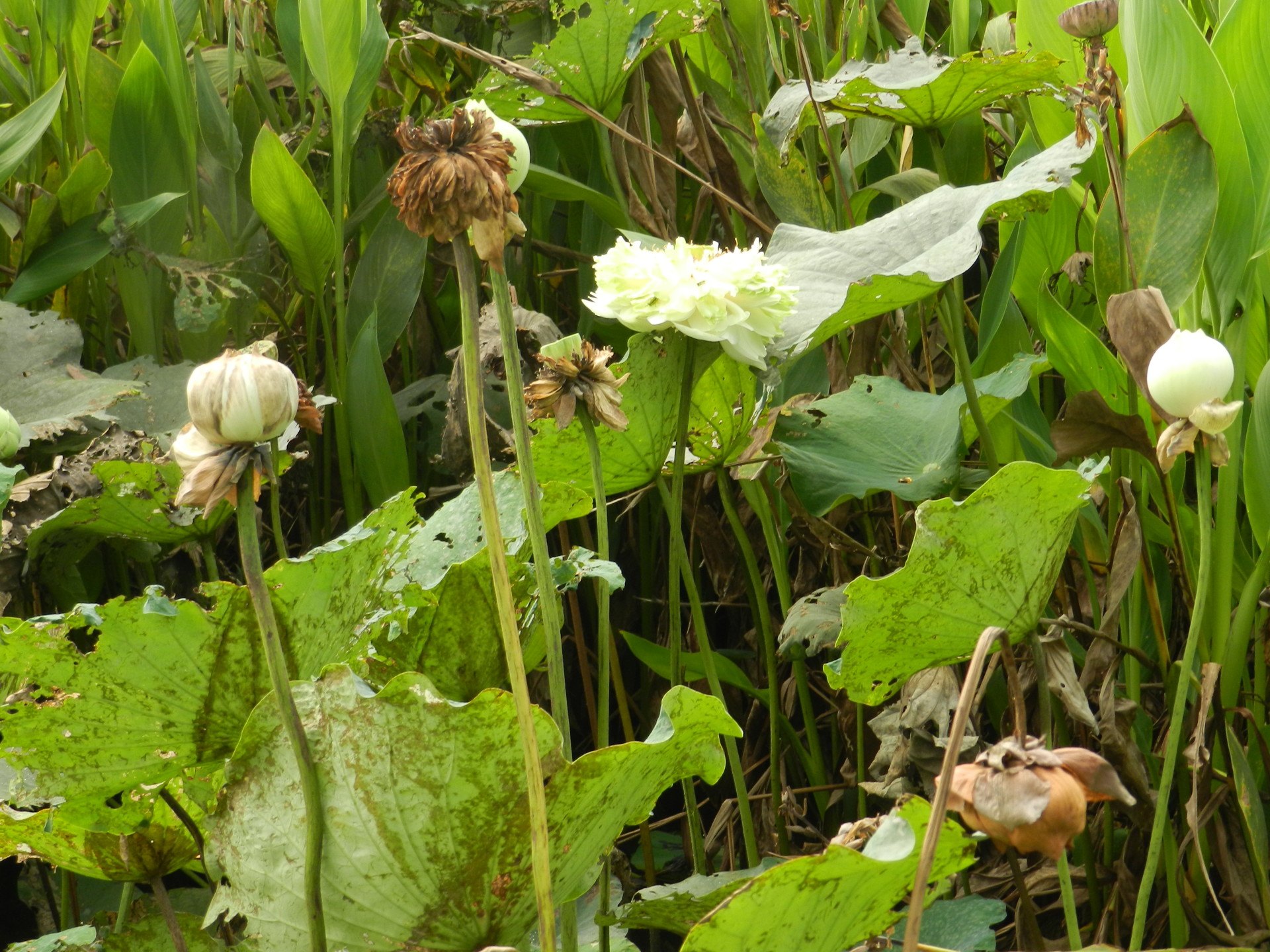
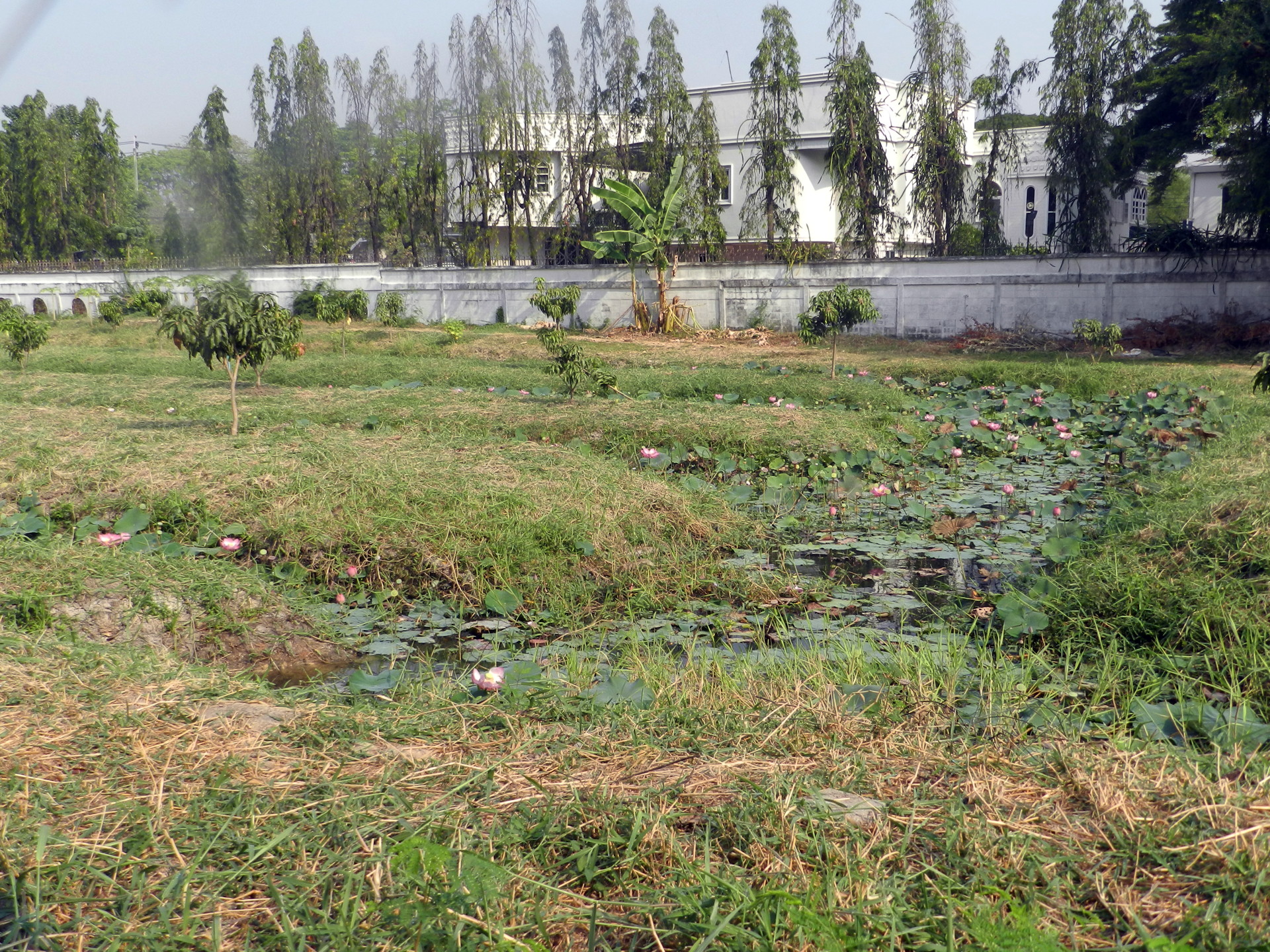
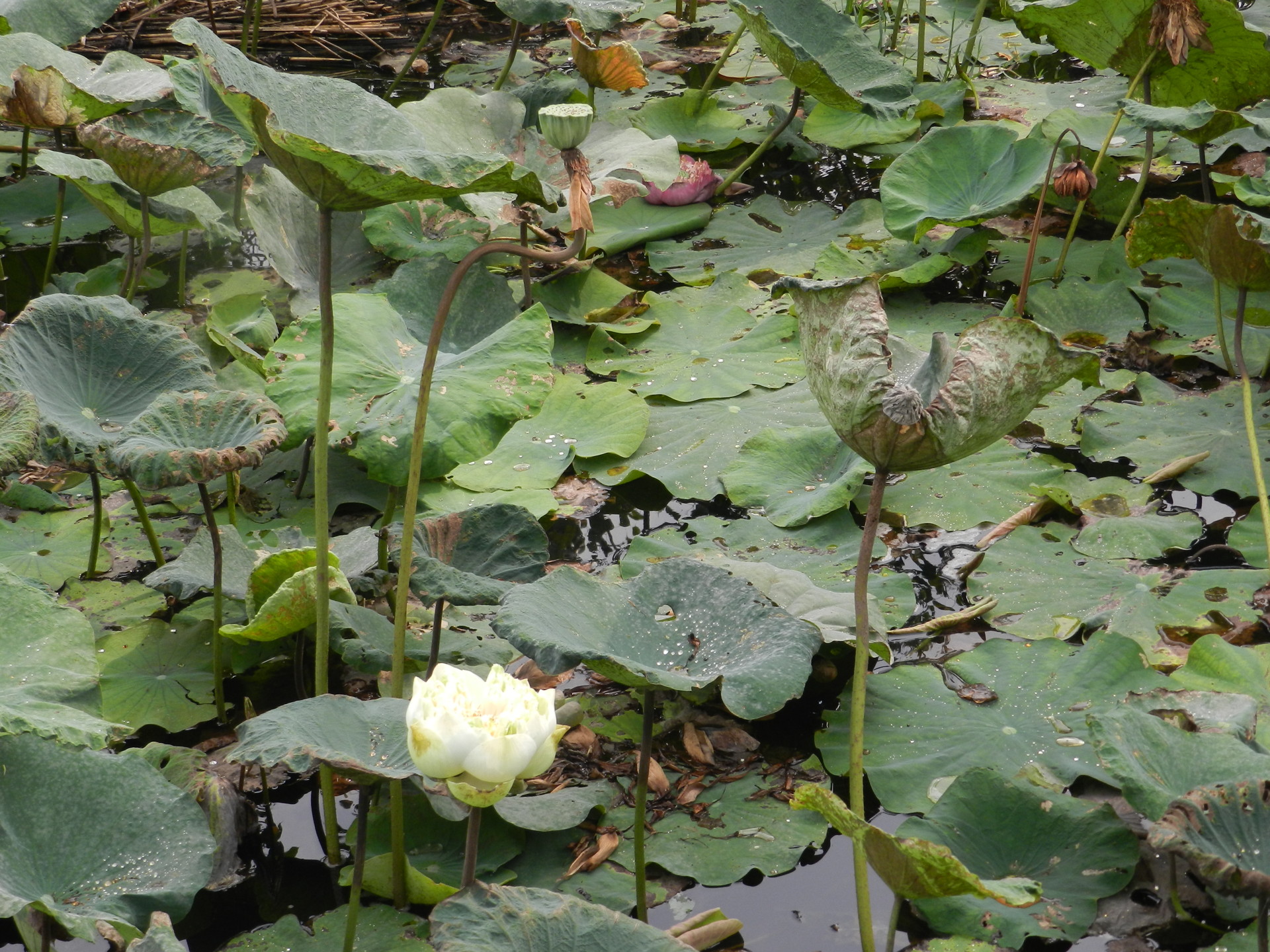
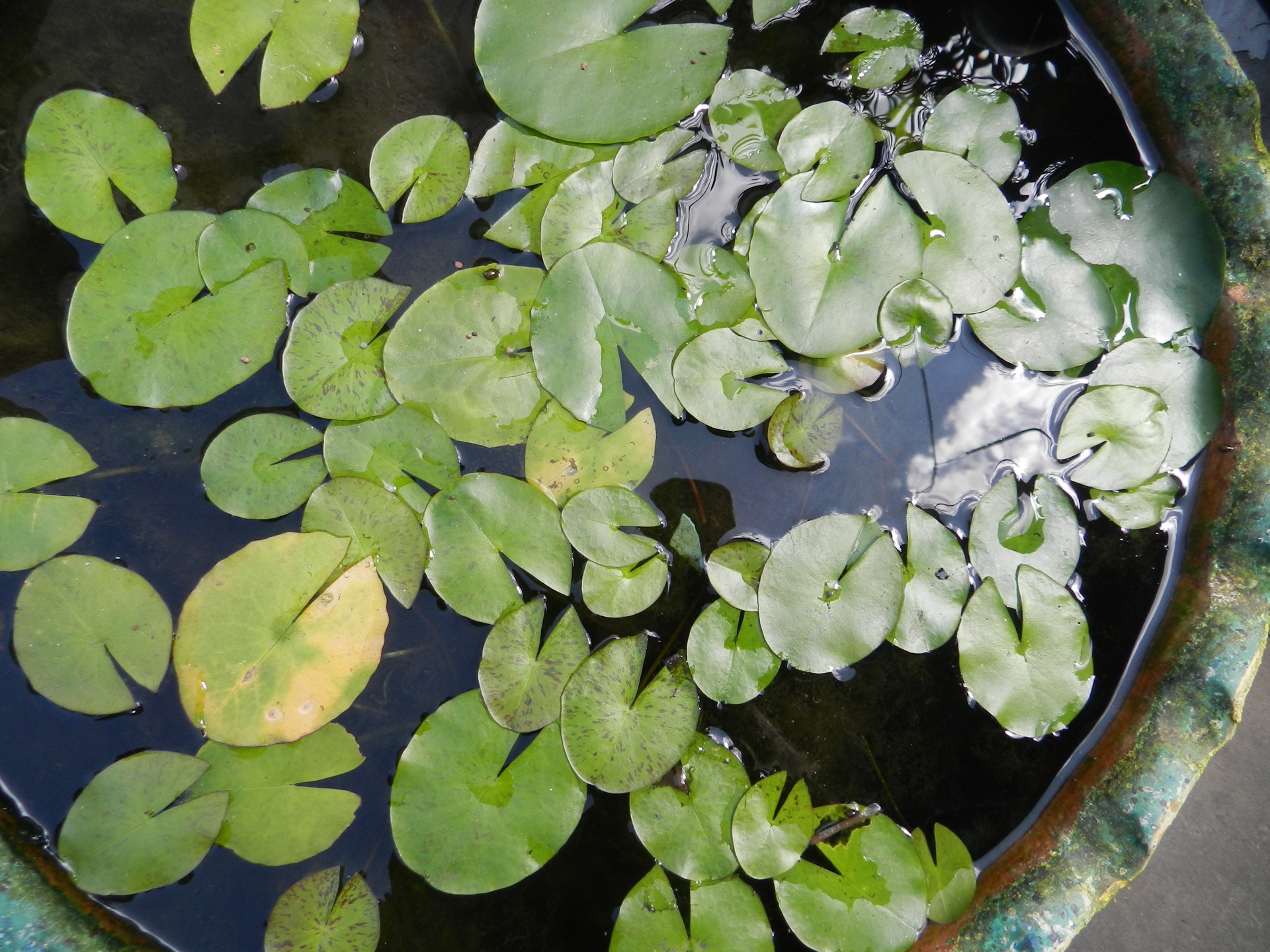
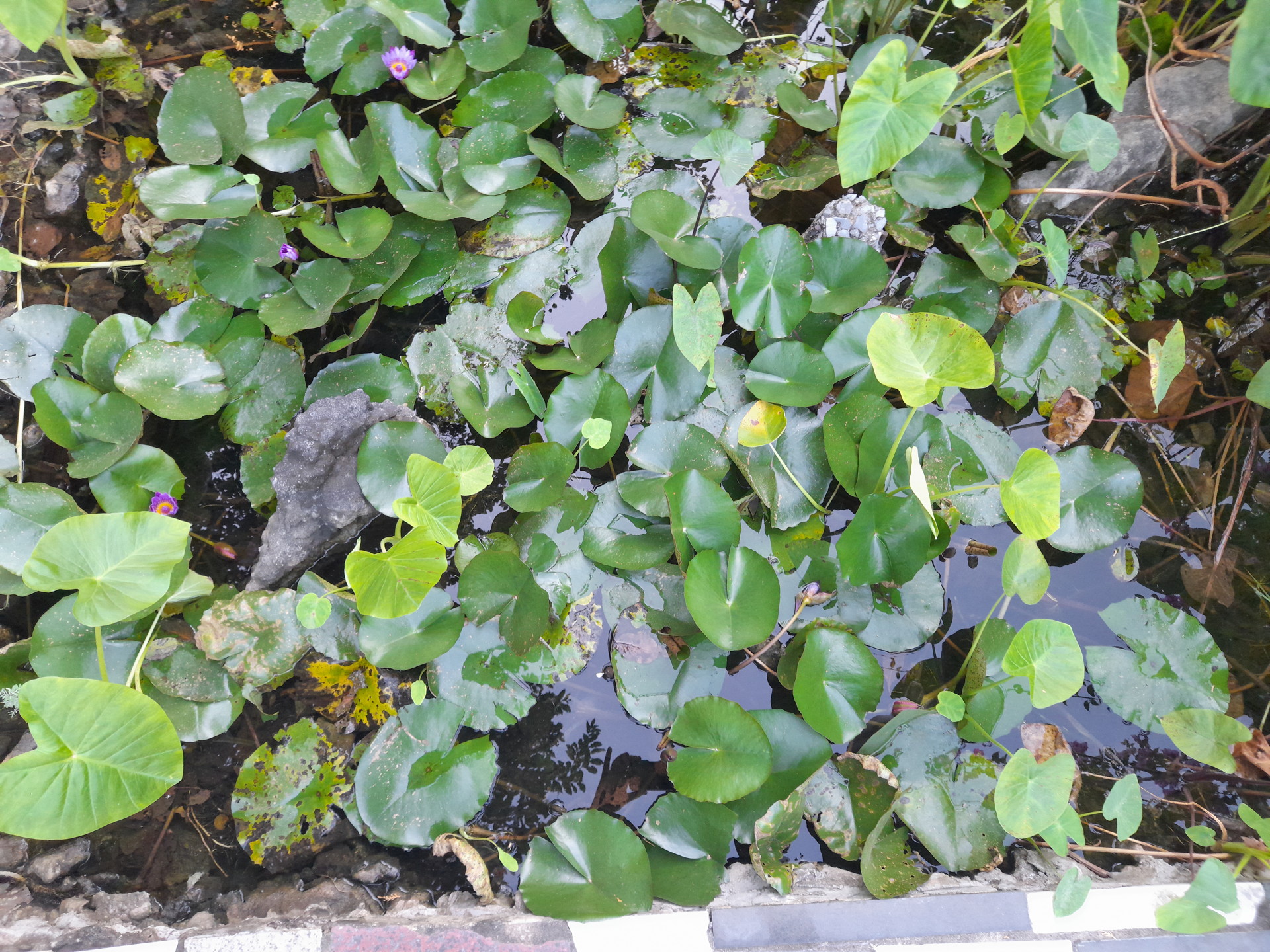
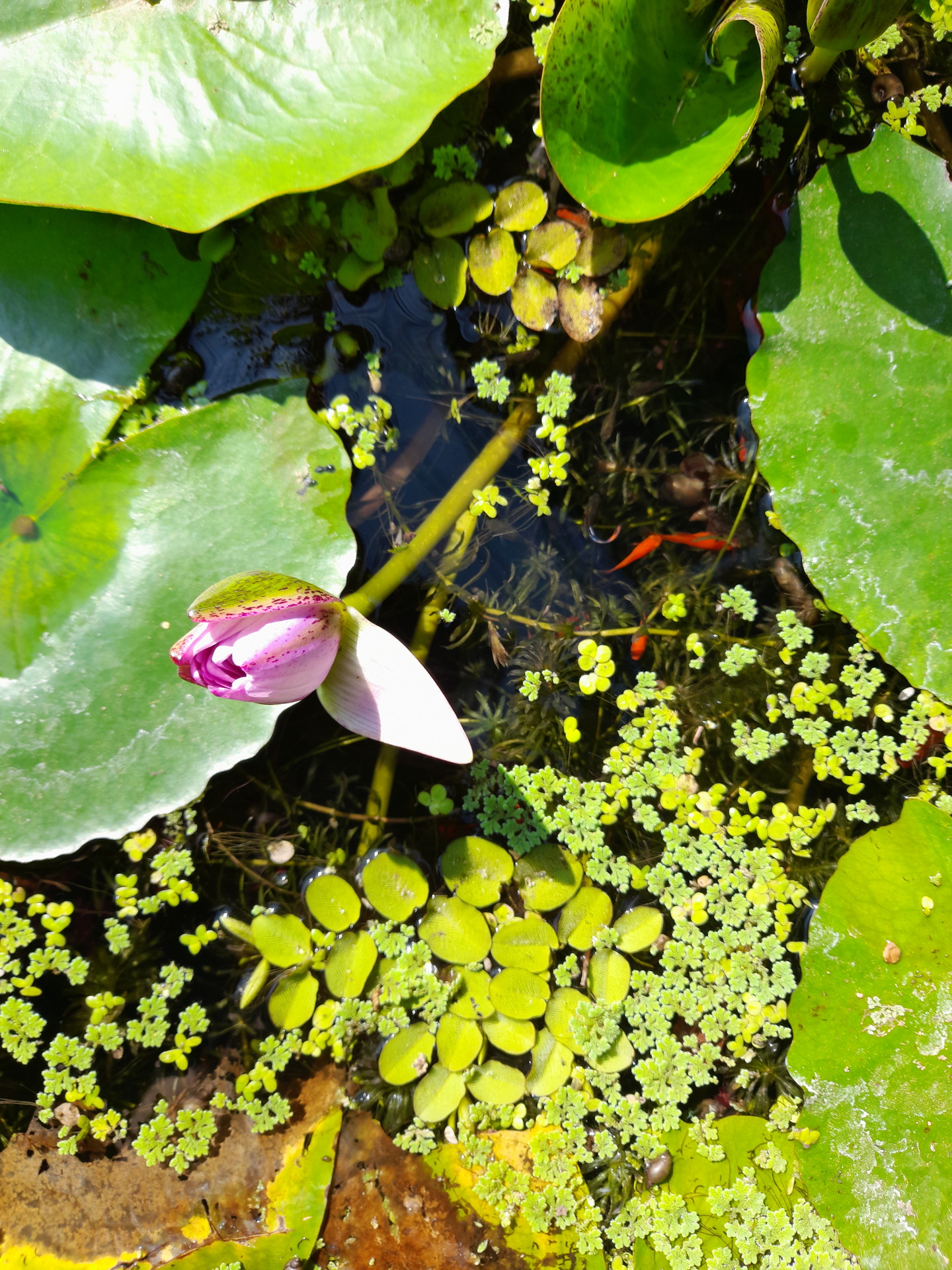
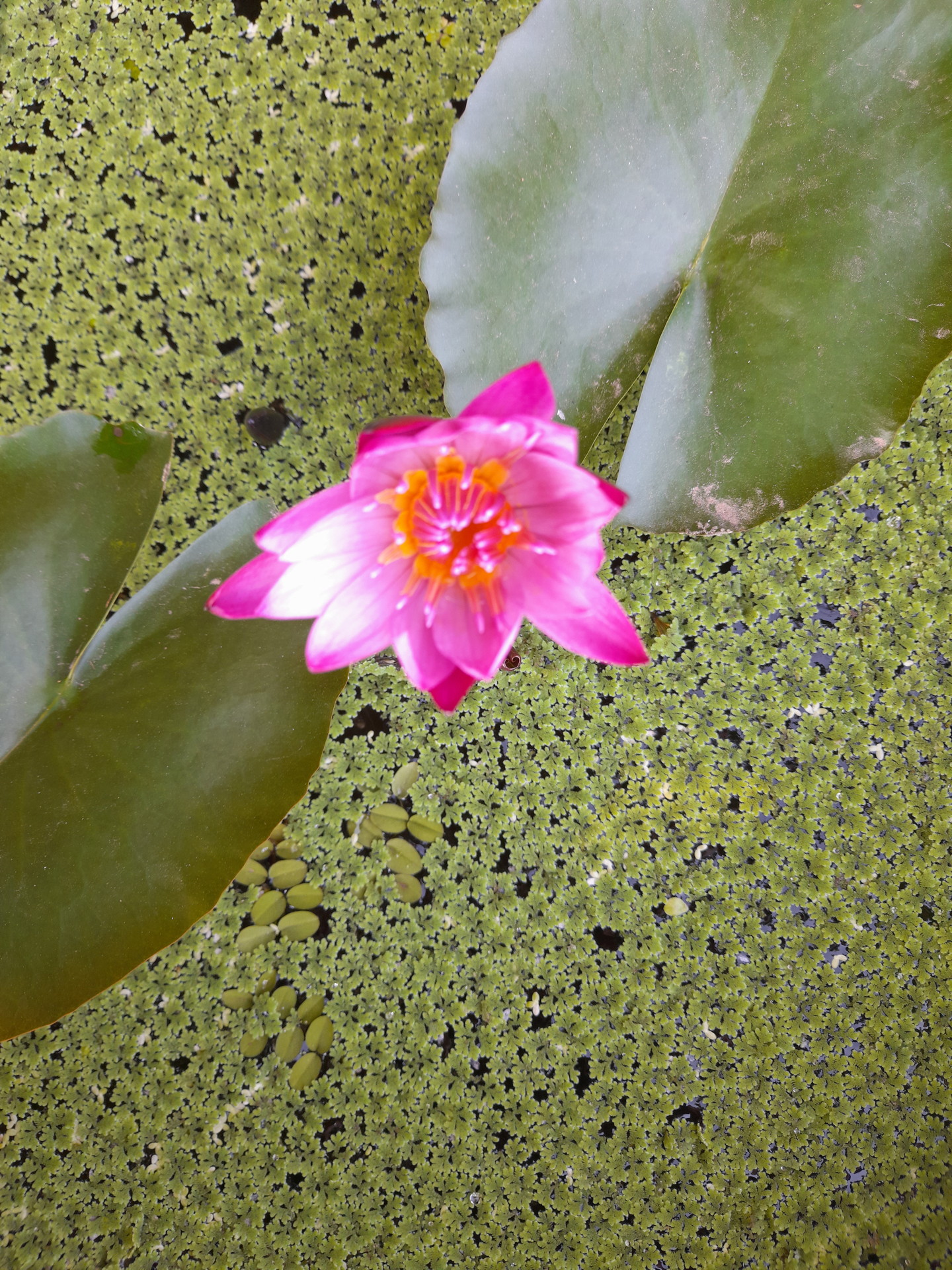
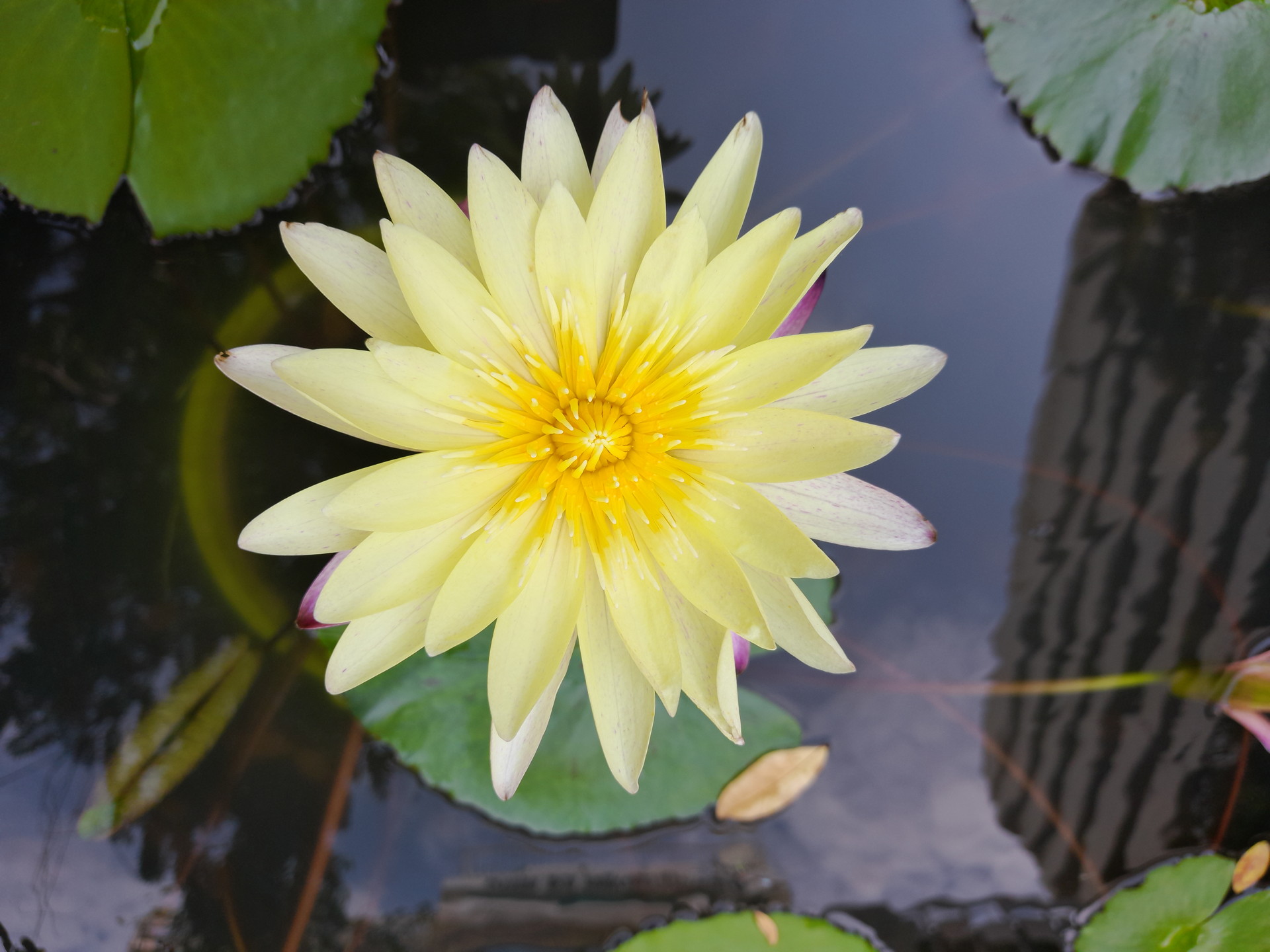
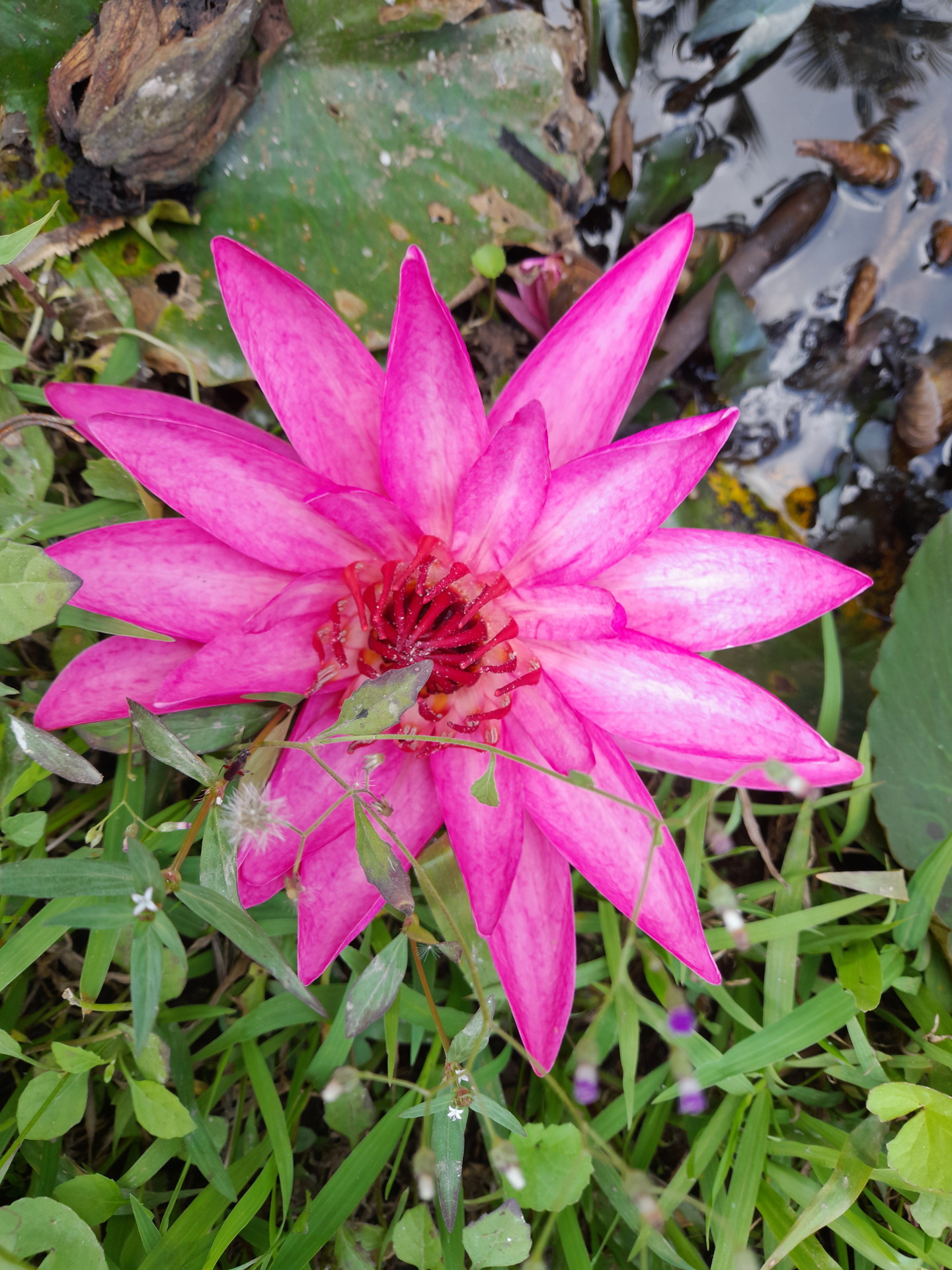
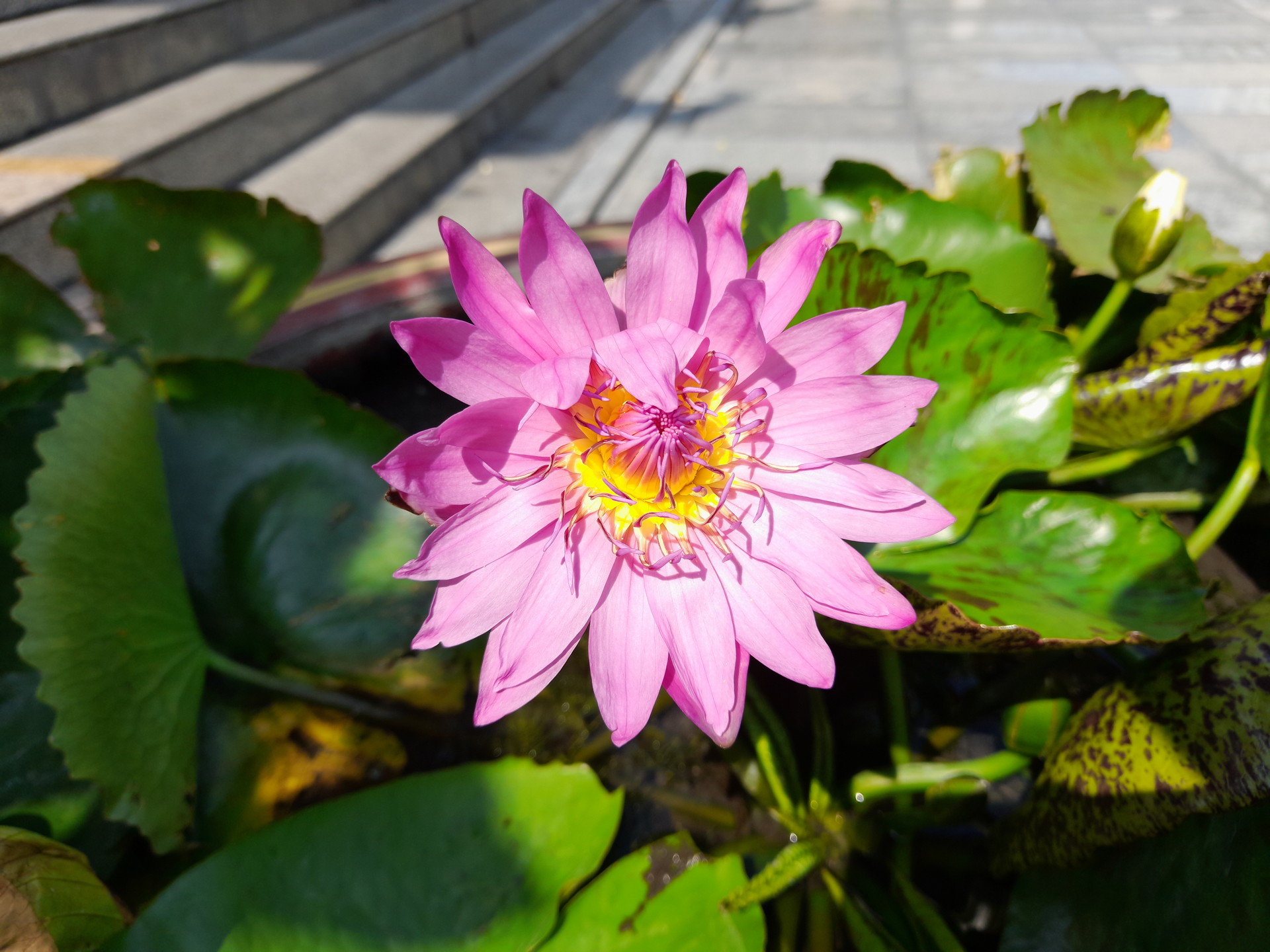
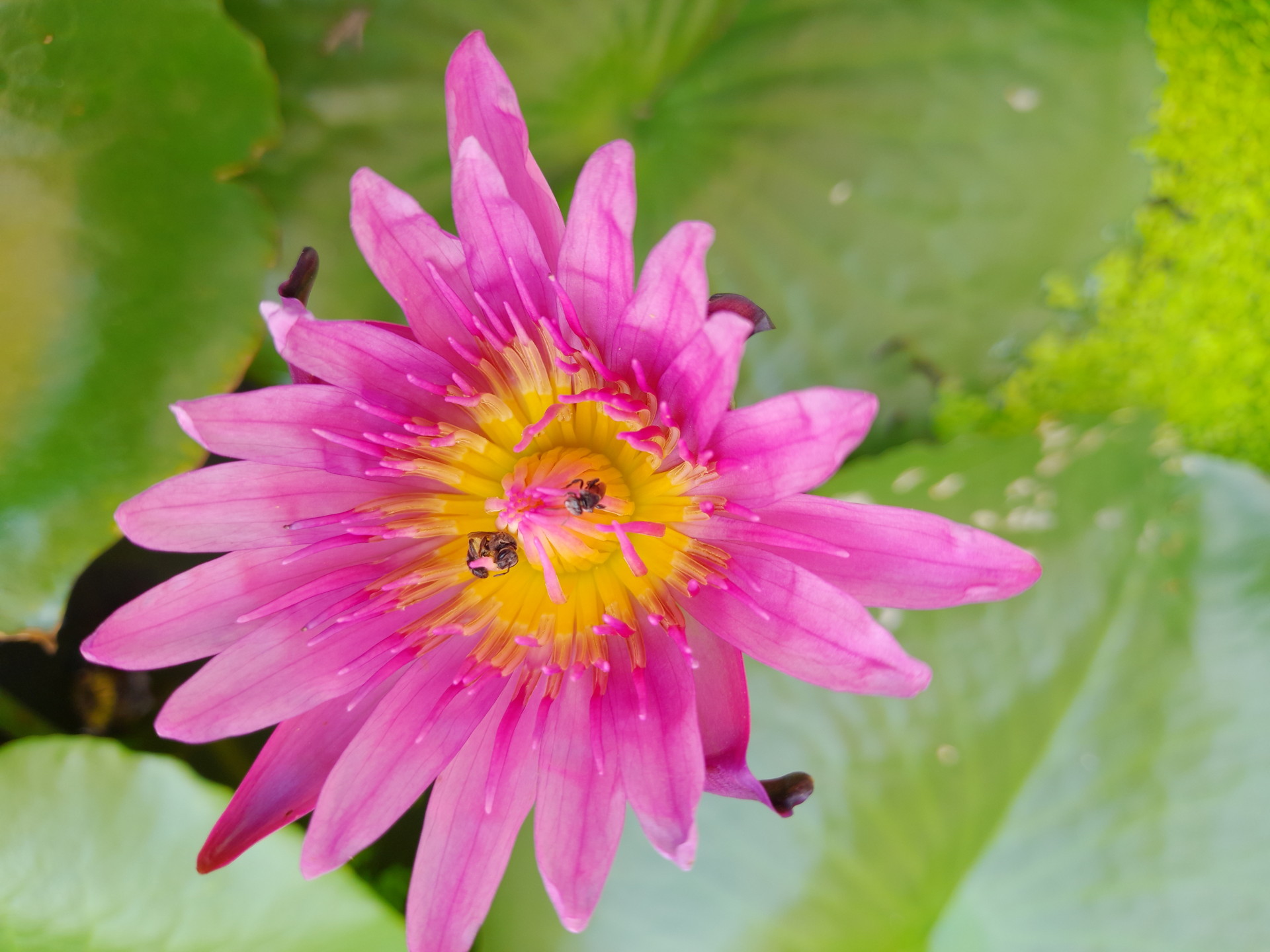
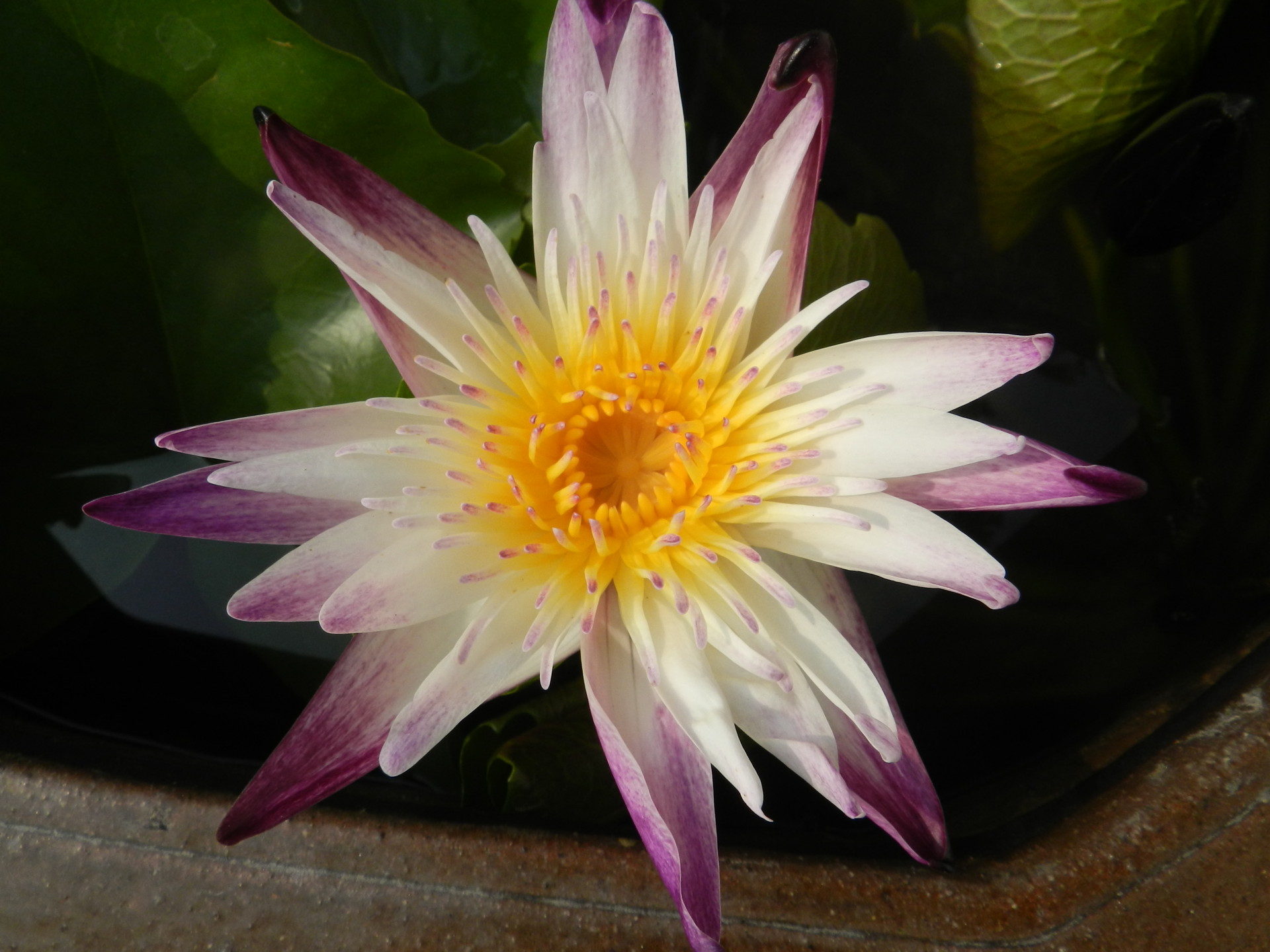
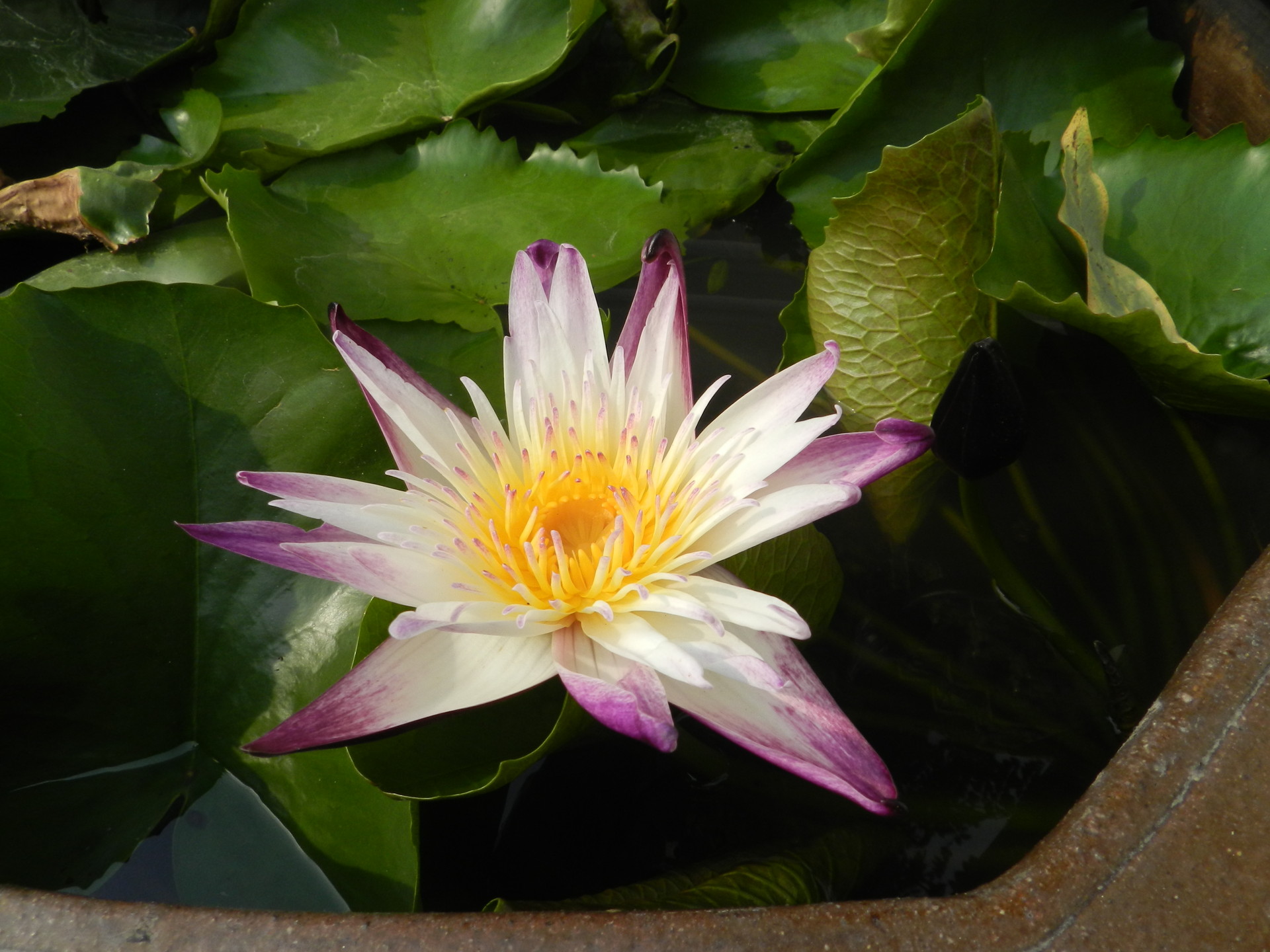
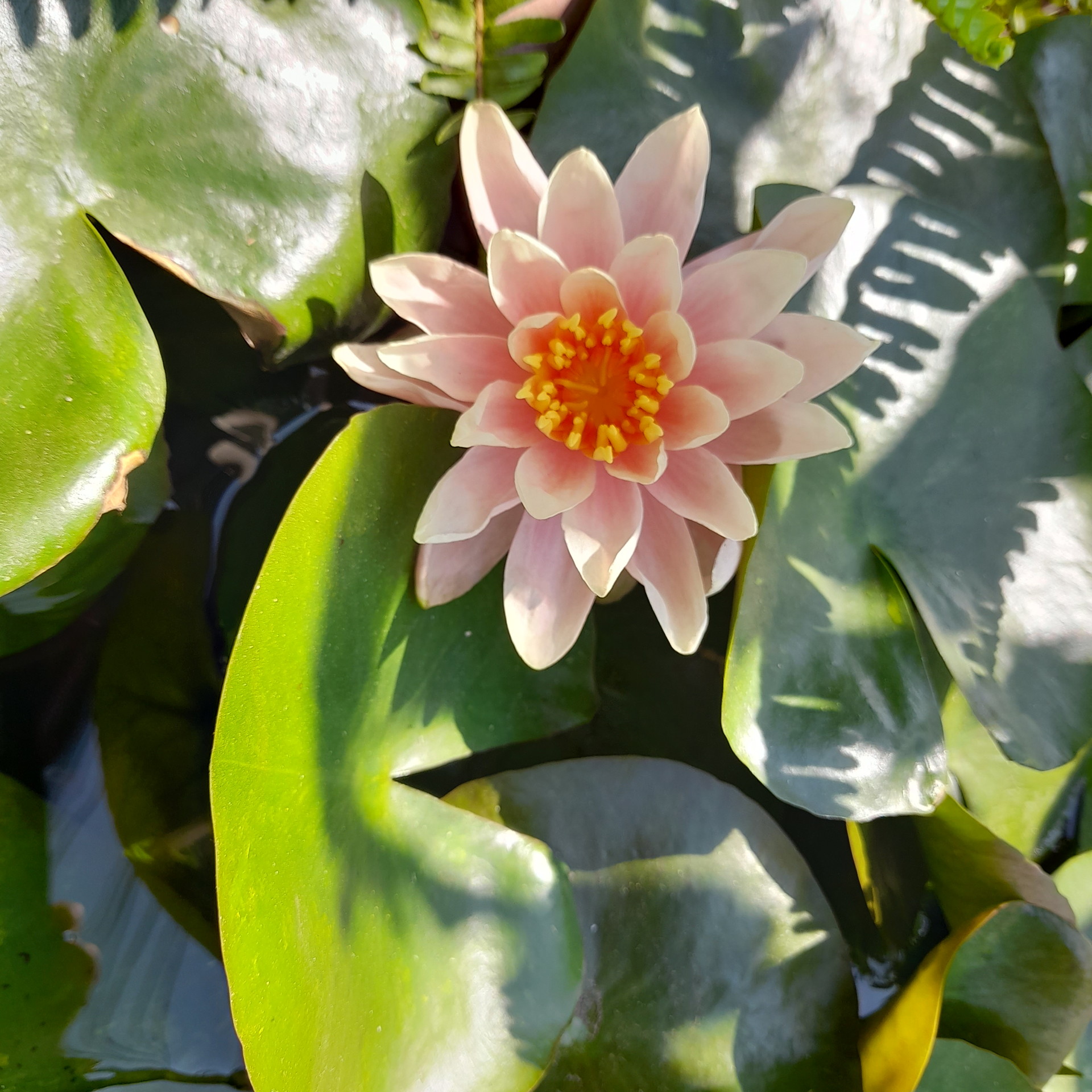
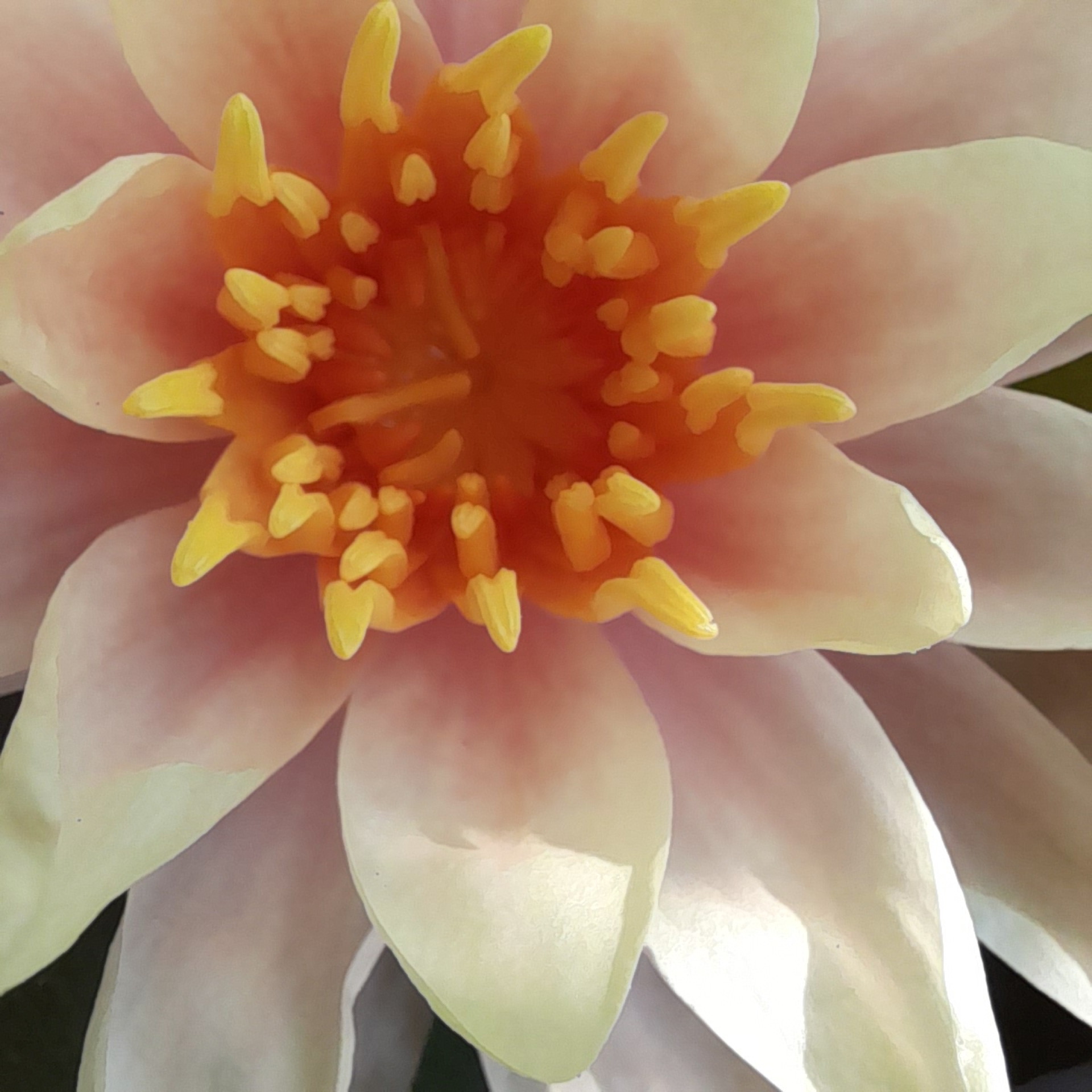
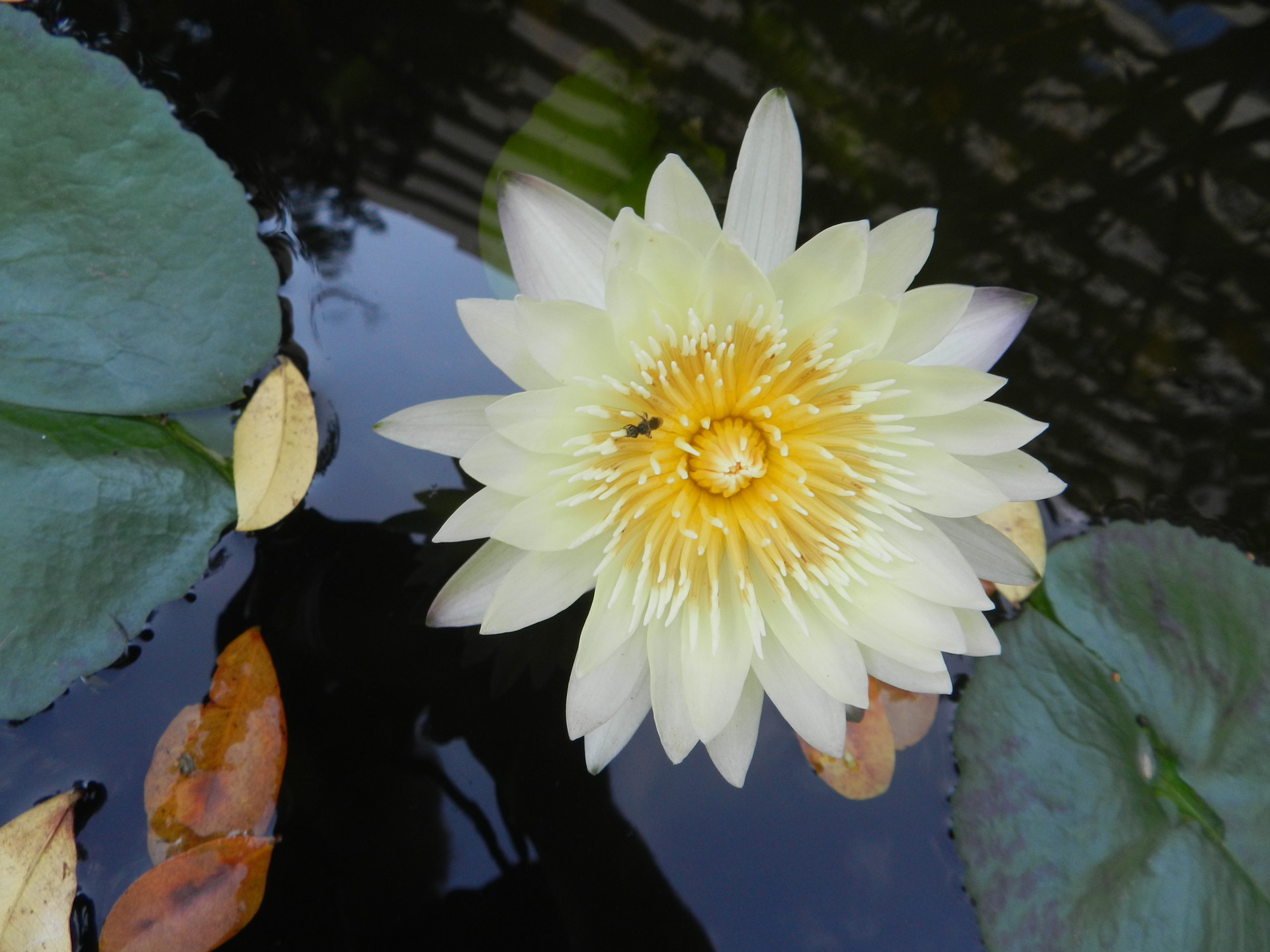
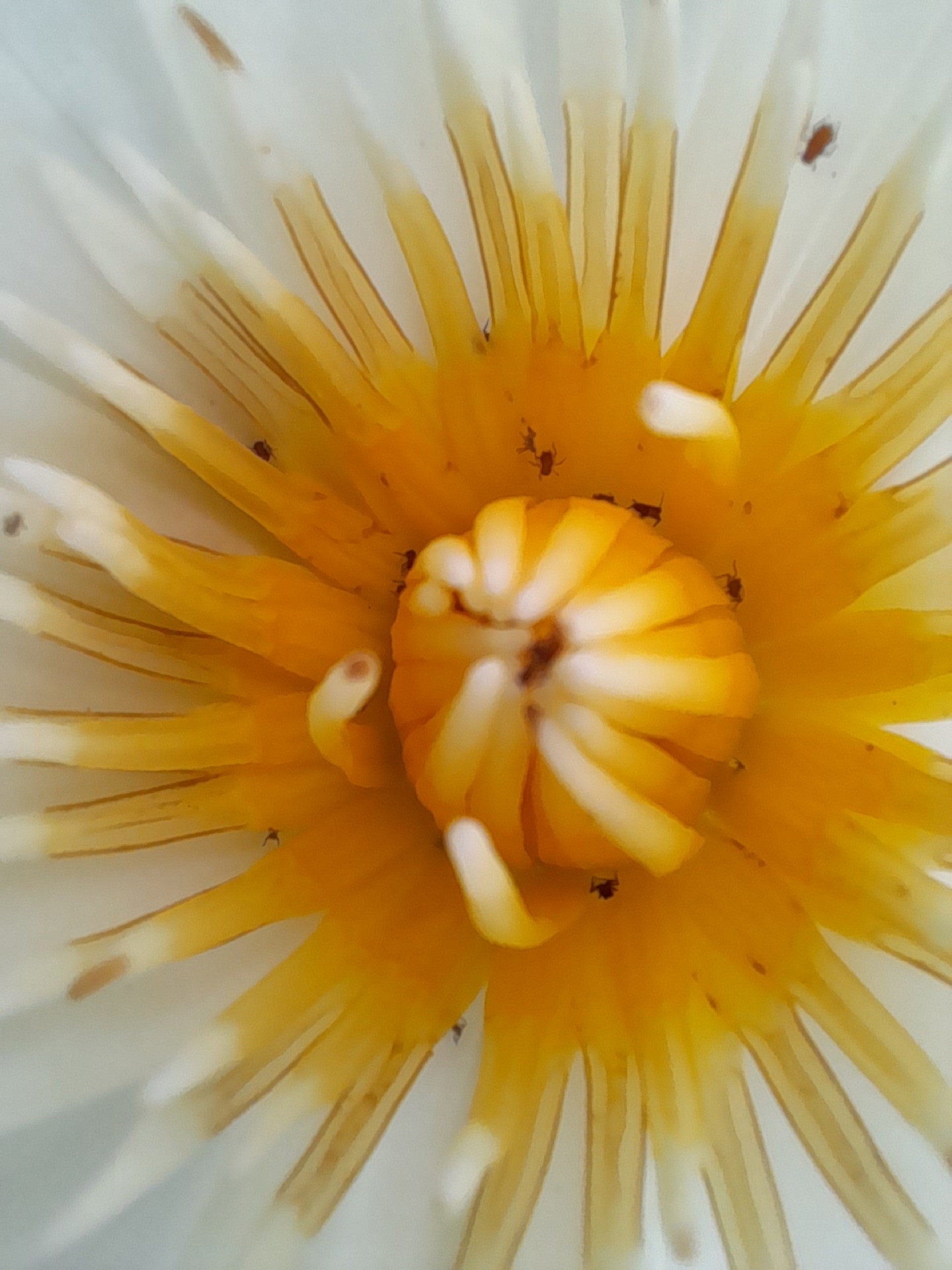
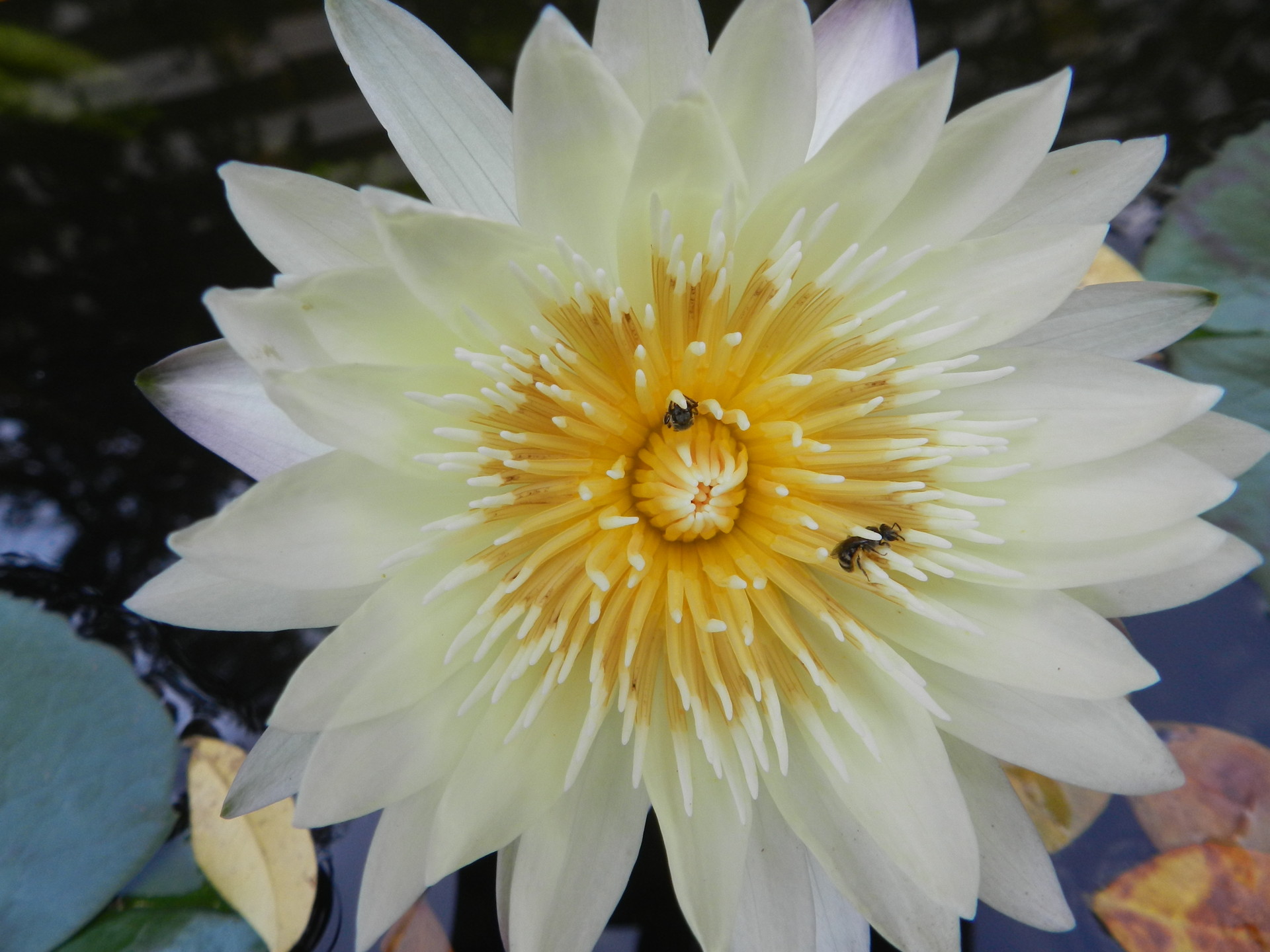
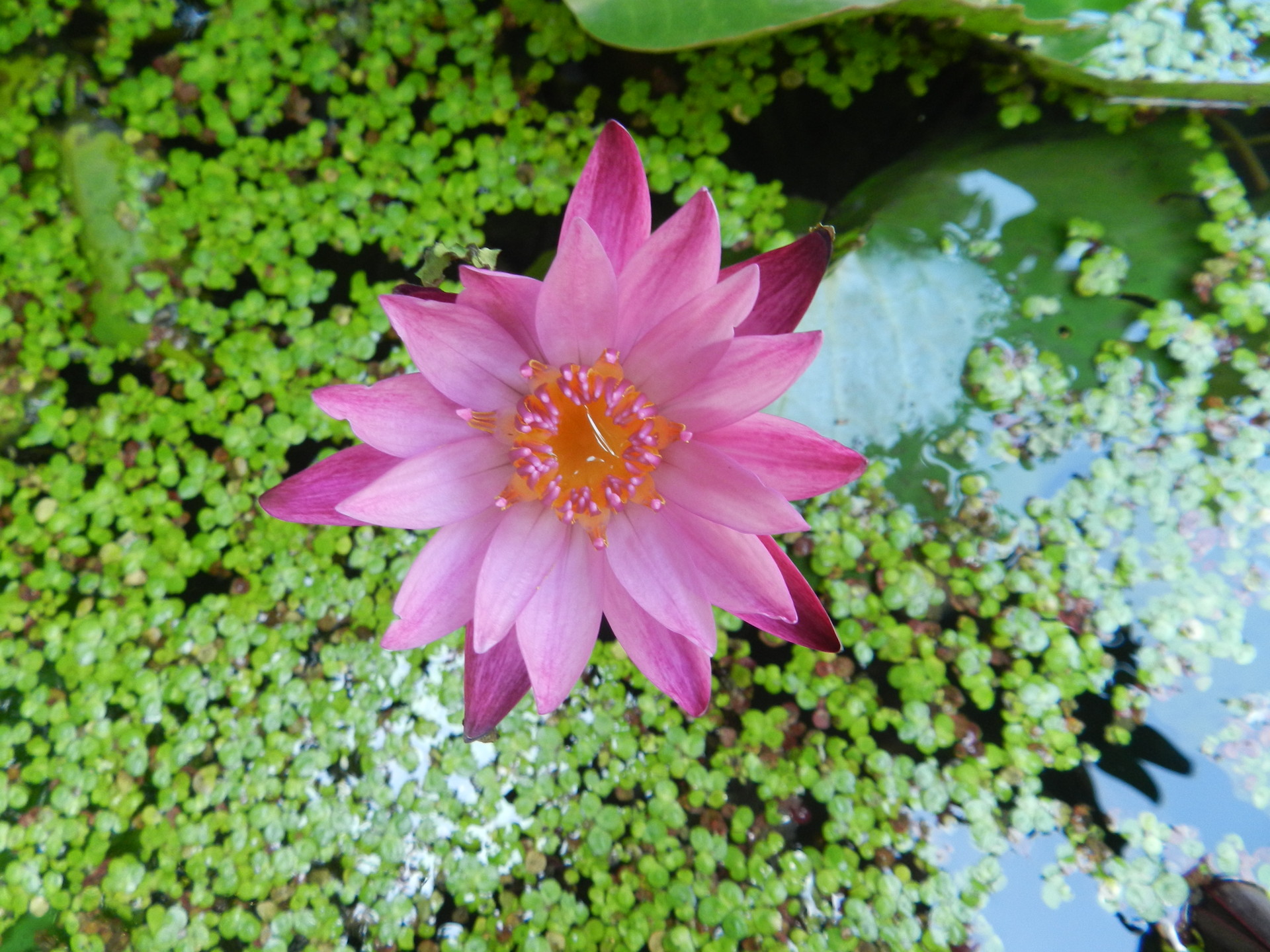
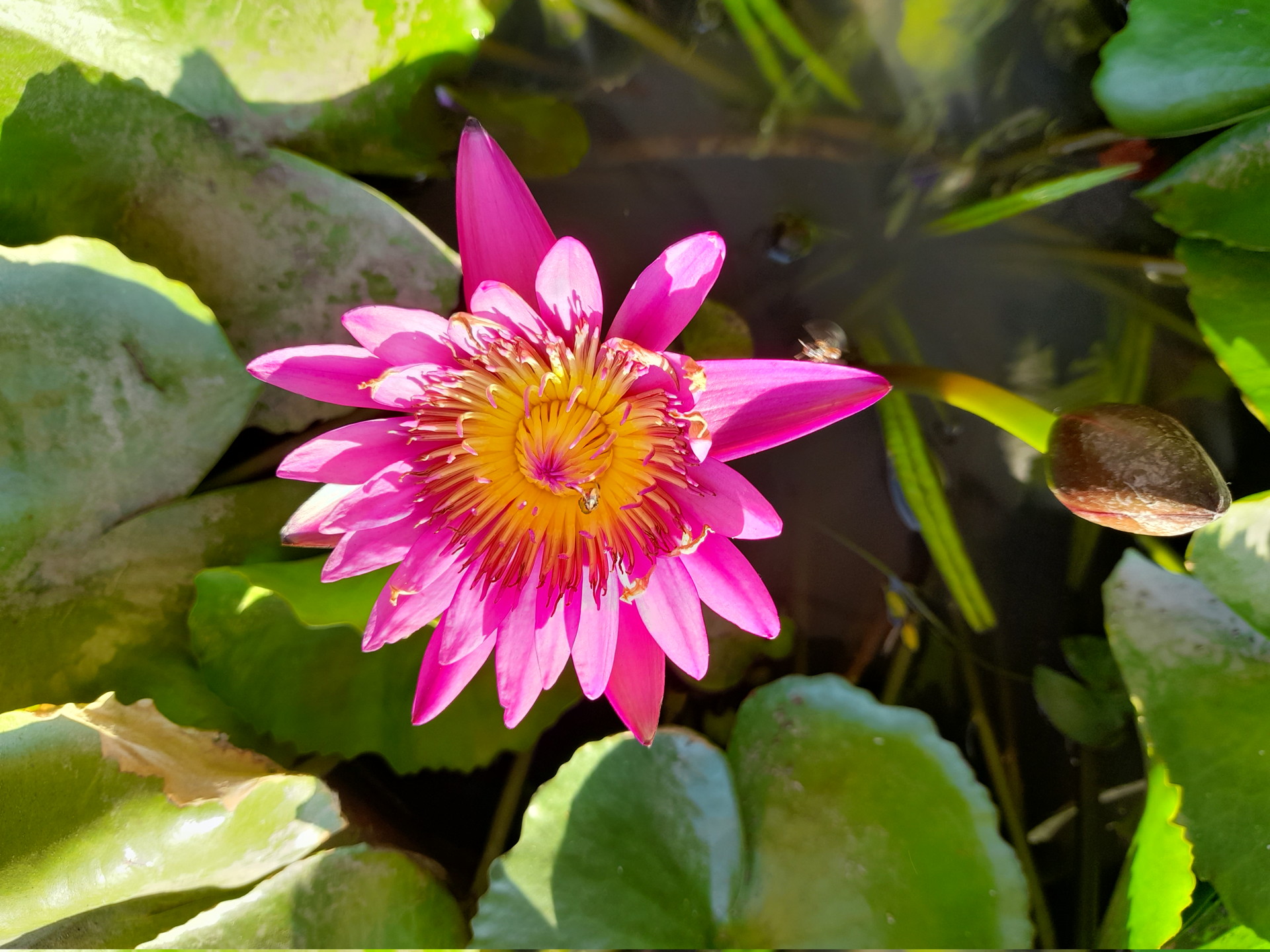
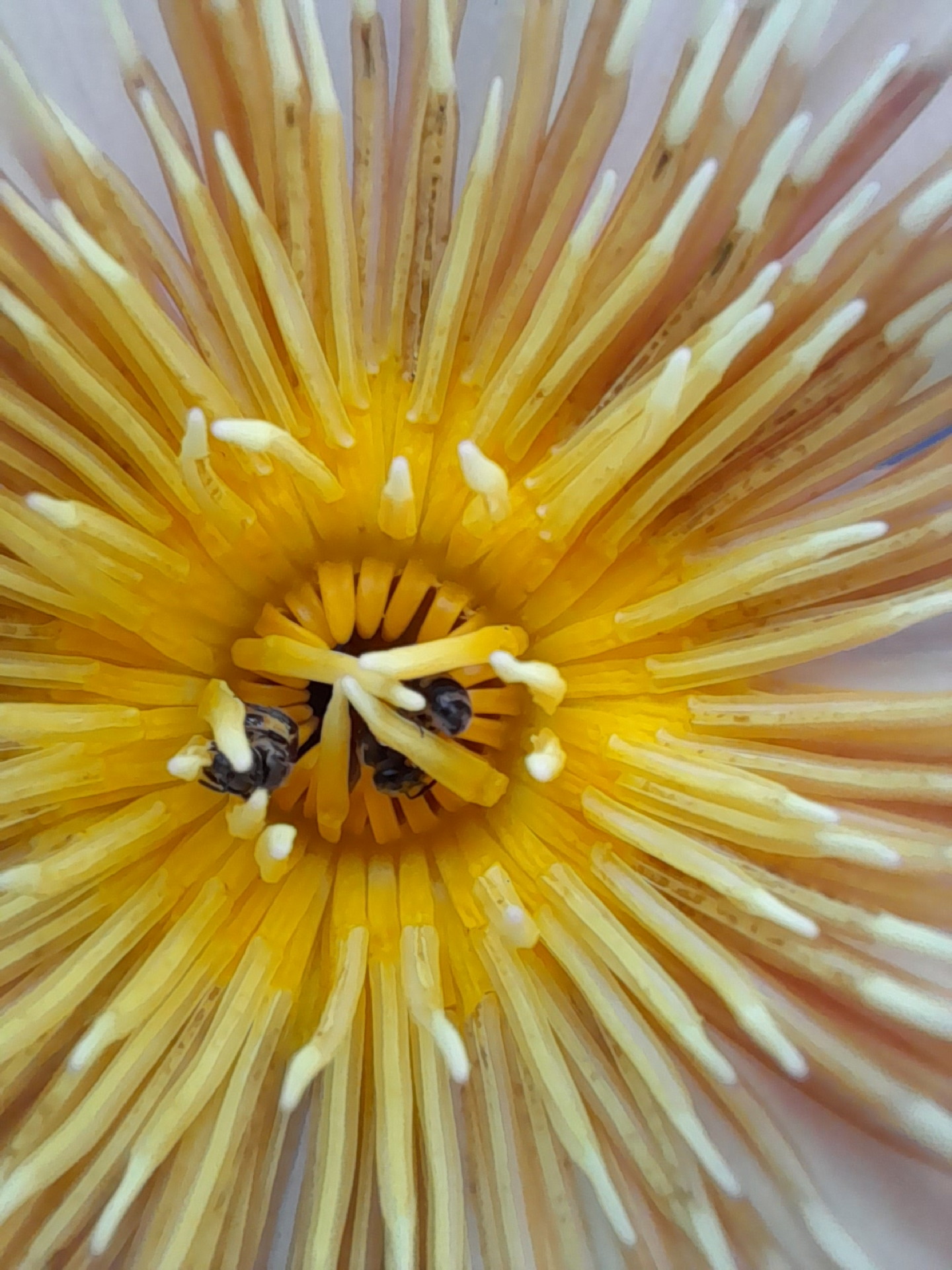
These images I am posting are organized with BuaLuang (lotus) life cycle images first. Then are the water lily images. Most of the lotus images were shot at Benchakitti Park in January of 2026. The water lily images could be from any of the 28 years preceding that although most are 2026.
The album title “Life of the Bua” is named to parallel the common title of Buddhist history, The Life of the Buddha. For me the parallels in the story of Sakyamuni, Samsara, and the growth of Lotus plants seem important. It is meant respectfully as thoughts for contemplation and understanding.